Aluminum vs. Steel Rollators: Unpacking the Numbers for Wholesaler Decision-Makers
This article provides procurement managers with a clear, comparative analysis of aluminum and steel rollators, covering pricing, shipping, durability, and total cost of ownership.
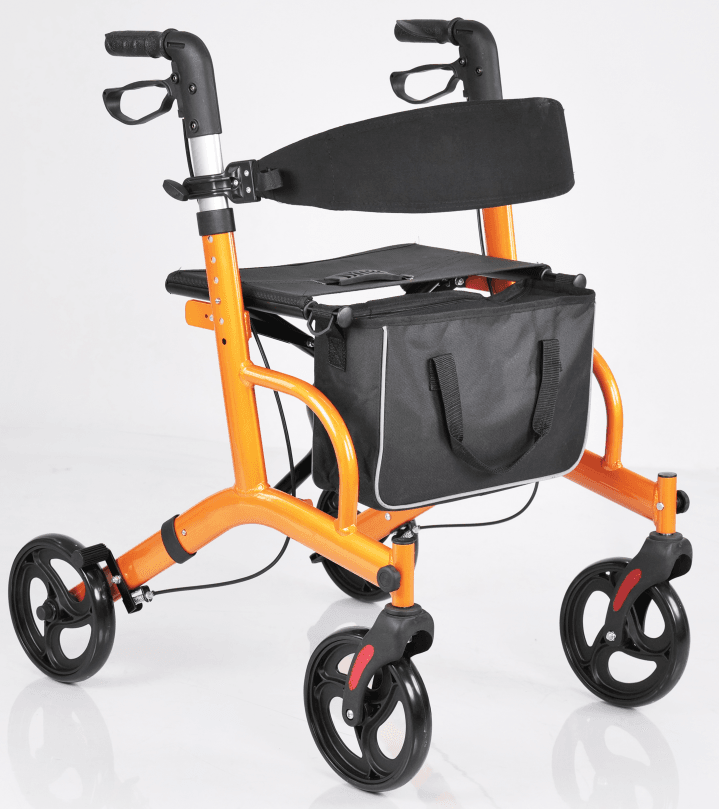
Aluminum vs. Steel Rollators: Unpacking the Numbers for Wholesaler Decision-Makers
Introduction
The rollator market is rapidly evolving, and procurement managers face a crucial choice: aluminum or steel? Each material brings unique strengths and trade-offs in terms of price, durability, user experience, and long-term value. For wholesalers and bulk buyers, a clear, data-driven perspective is essential. This article provides a detailed cost comparison for aluminum vs. steel rollators, examining both initial purchase and lifecycle expenses.
Understanding the Key Differences
Weight and Portability: Aluminum rollators are generally lighter—typically weighing 5-7kg, versus 8-11kg for steel models. This lighter weight makes them easier to lift, transport, and maneuver, especially for elderly users. However, some wholesalers prioritize strength over portability in specific segments.
Durability and Strength: Steel rollators excel in ruggedness. Their frames can handle higher weight capacities and may withstand accidental impacts better. But modern aluminum rollators have closed the gap, with high-grade alloys offering both strength and corrosion resistance.
Price Breakdown: What’s the True Cost?
Upfront Purchase Price: On average, steel rollators are cheaper to manufacture, and thus often come with a lower price tag for wholesalers. Aluminum models can command a 10-20% premium, depending on design features and brand positioning.
Shipping and Handling Costs: Here’s where aluminum shines: its lower weight translates into substantial savings on shipping, especially for large, international orders. Storage and handling costs are also reduced, with lighter units enabling easier logistics.
Maintenance and Lifespan: Aluminum rollators resist rust and corrosion, making them well-suited for humid or coastal environments. Steel rollators may require additional coatings or treatments to maintain appearance and function over time.
Performance in Real-World Use
Comfort: Aluminum rollators are often favored for daily use due to their lighter frames, while steel rollators may be selected for bariatric or high-use institutional settings.
Aesthetics: Aluminum offers more flexibility for stylish, modern designs; steel is typically associated with utilitarian models.
Total Cost of Ownership
To make a true cost comparison for aluminum vs. steel rollators, procurement managers must consider not only initial price, but ongoing costs—shipping, storage, maintenance, and potential product returns.
Market Trends and Buyer Preferences
Industry data shows an increasing preference for aluminum rollators in European and North American markets, where lightweight mobility and contemporary styling are top priorities. However, steel models remain popular in regions where cost is the leading driver, or where high-durability solutions are required for institutional use.
When to Choose Aluminum (and When to Choose Steel)
Choose Aluminum:
Target users value portability and style
Markets with high shipping costs
Customers in humid or coastal areas
Choose Steel:
Budget is the primary concern
Higher weight capacity is required
Institutional contracts with limited maintenance resources
Conclusion
For wholesalers, the choice between aluminum and steel rollators is not a one-size-fits-all decision. Use a full cost comparison for aluminum vs. steel rollators—factoring in shipping, maintenance, and user experience—to build a competitive, data-backed sourcing strategy. As the mobility aids market evolves, making informed, material-based decisions is the key to long-term success.
SEO keywords (at article end for tagging):
aluminum rollator cost, steel rollator comparison, rollator material analysis, wholesaler mobility aids, cost comparison for aluminum vs. steel rollators, rollator procurement decision
READ MORE:









