





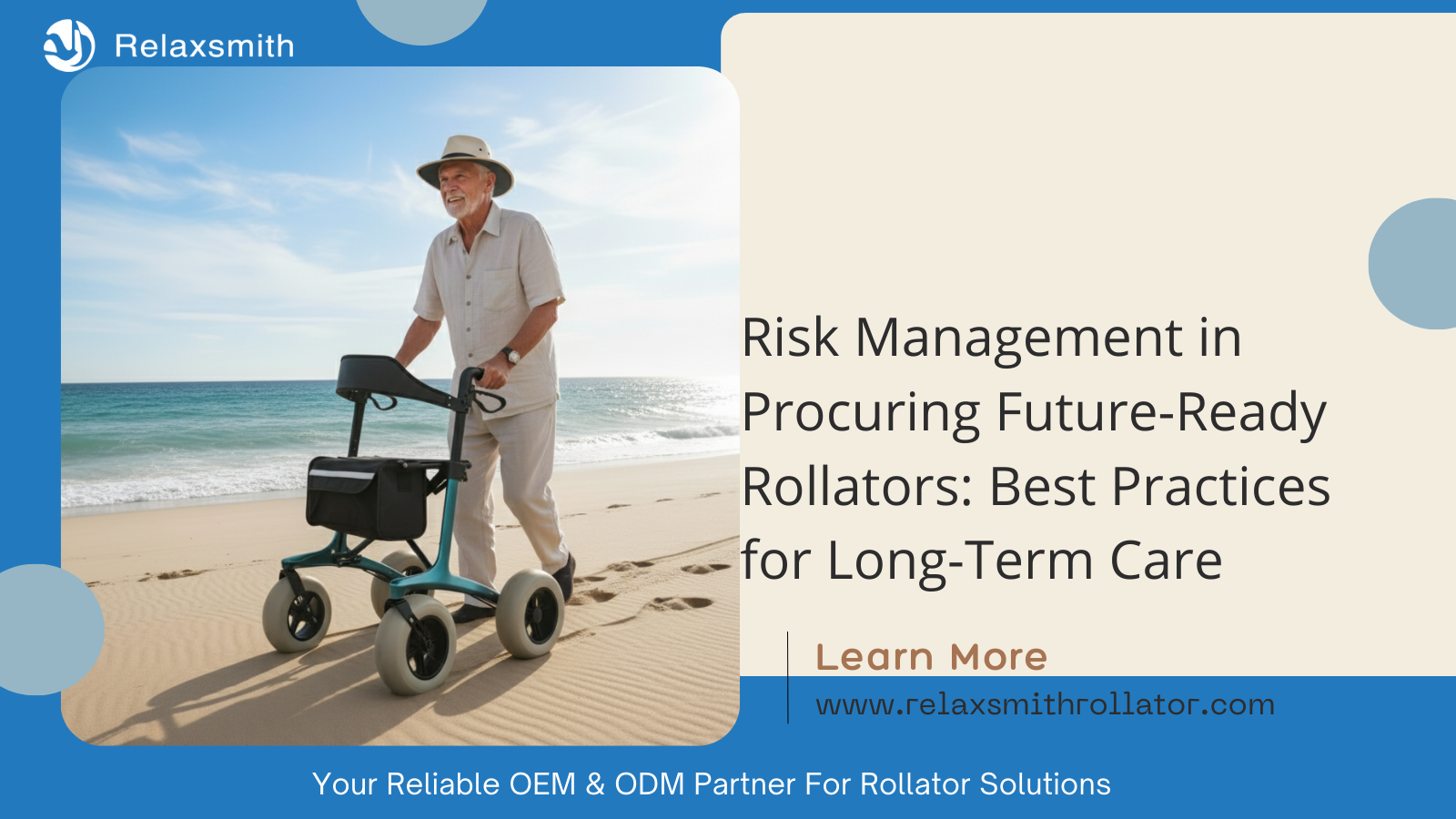

Best Practices for Evaluating Ergonomic and Storage-Integrated Rollators
This article continues to explore the best practices for evaluating ergonomic and storage-integrated rollators. It emphasizes the importance of balancing comfort, safety, and practicality while choosing designs that enhance the user experience.
Key Ergonomic Considerations in Rollator Design
When evaluating ergonomic rollators, it is essential to focus on factors that improve user comfort and safety. Key ergonomic features include:
Height Adjustment Mechanism — The ability to adjust the rollator to accommodate users of different heights ensures a comfortable grip and proper posture, reducing strain on the wrists and back.
Ergonomic Handlebars — Grips should be padded and contoured to minimize hand fatigue, especially for users with arthritis or limited dexterity.
Stability and Balance — A well-balanced rollator reduces the risk of tipping over, ensuring that the user can move safely and confidently.
Foldability for Easy Storage — The rollator should be easy to fold and store in tight spaces, offering convenience for both users and caregivers.
Importance of Storage Integration in Rollators
Storage integration is a vital feature for users who need to carry personal items such as groceries, medications, or daily essentials. When evaluating storage-integrated rollators, procurement teams should consider:
Size of the Storage Compartment — The storage should be large enough to hold necessary items without affecting the stability or maneuverability of the rollator.
Ease of Access — The storage should be designed for easy access, with compartments placed at a convenient height for the user to reach without straining.
Materials and Durability — Storage compartments must be made of durable materials that can withstand wear and tear. Easy-to-clean materials are also essential for maintaining hygiene.
Safety of Storage Design — Ensure that the storage compartment does not interfere with the rollator’s braking system or user’s ability to balance. Safety is a top priority to avoid accidents or falls.
How to Balance Ergonomics and Storage in Rollator Procurement
When selecting rollators, balancing ergonomics with storage functionality is crucial. Procurement teams should prioritize rollators that offer:
Optimal Storage Size and Maneuverability — Ensure that the storage is large enough for essential items but does not impact the rollator’s ease of movement.
Adjustable Design — Look for rollators with adjustable handles and height settings, allowing customization to the user’s needs.
Durable and Safe Features — Select rollators made from high-quality materials that ensure longevity and safety, even when carrying heavy or bulky items in the storage compartment.
Procurement Models for Efficient Rollator Deployment
Choosing the right procurement model is essential to ensure the rollators meet both functional and financial goals:
Direct Purchase — Purchasing rollators outright offers long-term savings and control over inventory management. This model works well for facilities that require large quantities of rollators.
Leasing Models — Leasing provides flexibility, particularly when testing new designs or accommodating changes in resident needs. It allows facilities to upgrade as new features or models emerge.
Subscription Services — Subscription-based services ensure ongoing access to the latest rollator models, along with maintenance and replacement as needed. This model supports continuous improvements in resident mobility solutions.
Conclusion: Strategic Rollator Procurement for Enhanced Resident Mobility
To provide elderly residents with the best mobility aids, procurement teams must prioritize ergonomic features and storage integration when evaluating rollators. A thoughtful balance between comfort, functionality, and safety will improve residents' quality of life and ensure their continued independence. By adopting the right procurement strategies, facilities can optimize rollator deployment for long-term success and resident satisfaction.