



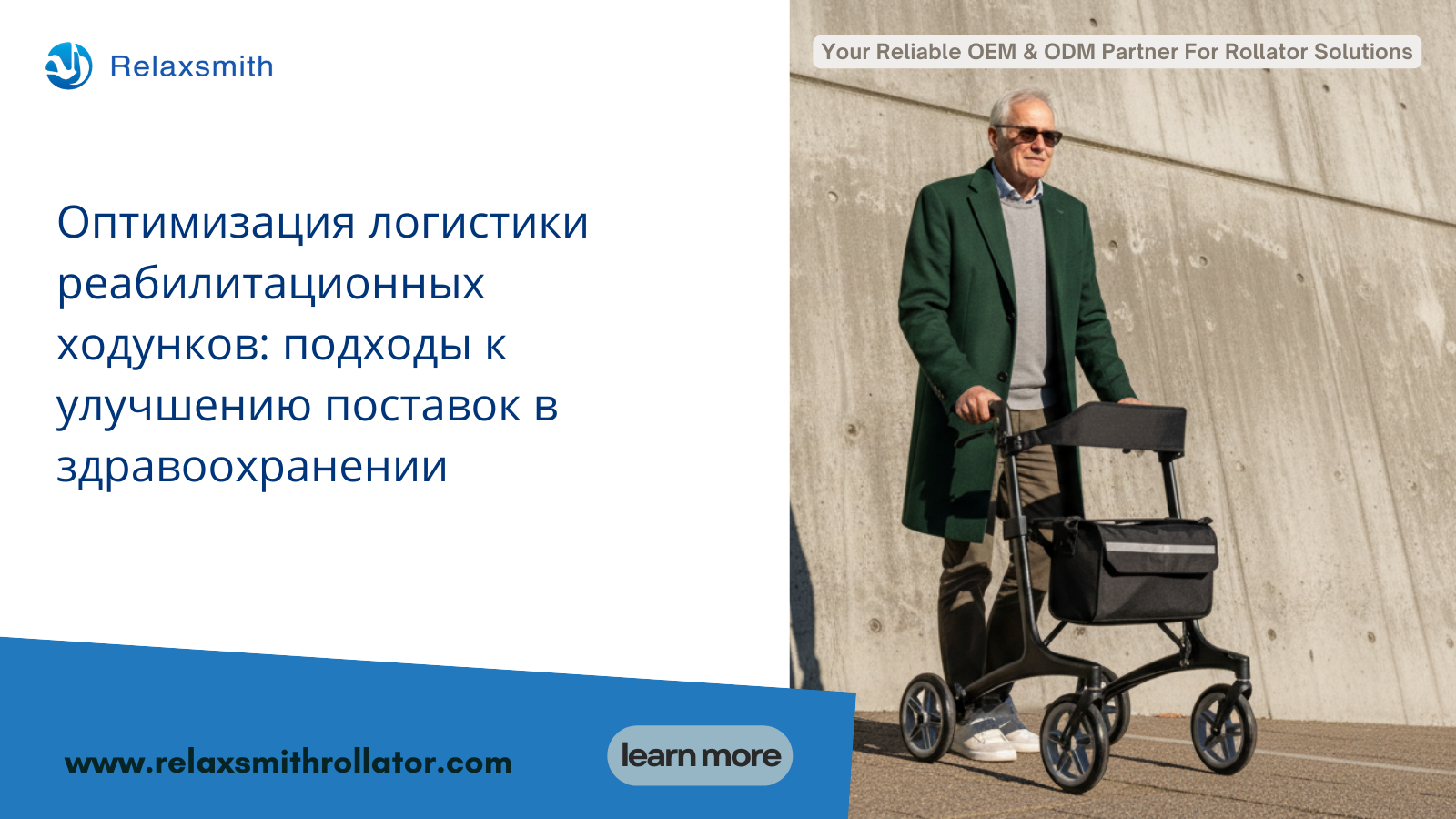
Best Practices for Global Procurement of Mobility Walkers in Healthcare Systems
Healthcare systems worldwide face the growing challenge of providing mobility aids, such as walkers, to an aging and increasingly diverse patient population. Mobility walkers are crucial for improving the independence and quality of life for patients suffering from mobility limitations. However, procuring these devices on a global scale involves complexities related to cost management, regulatory compliance, supply chain logistics, and maintaining product quality. This article outlines best practices for the global procurement of mobility walkers in healthcare systems, focusing on strategies to optimize cost-efficiency while ensuring that the products meet the needs of patients and healthcare providers.
1. Understanding the Global Mobility Walker Market
The global demand for mobility aids, especially walkers, is increasing due to the aging population and the rising number of patients suffering from chronic conditions that impair mobility. According to the World Health Organization (WHO), by 2050, the number of people aged 60 and older will surpass 2 billion, further intensifying the need for mobility aids. Healthcare systems must be able to manage the procurement of mobility walkers to meet this demand efficiently. This requires not only procuring quality walkers but also adhering to different regulatory requirements in multiple countries, managing complex supply chains, and optimizing costs.
2. Key Considerations for Global Procurement of Mobility Walkers
Effective global procurement of mobility walkers requires addressing several key factors:
Cost Efficiency: Healthcare organizations need to balance the procurement of high-quality walkers with the need to reduce overall costs. This often involves negotiating bulk discounts, optimizing supplier contracts, and reducing inefficiencies in the procurement process.
Regulatory Compliance: Different countries have varying regulatory standards for medical devices. Ensuring compliance with these regulations is critical for the legal distribution of mobility walkers. Compliance with product safety, labeling, and certification standards must be monitored continuously.
Supply Chain Logistics: Global procurement involves sourcing mobility walkers from various suppliers worldwide, each with its own logistics and shipping protocols. Timely deliveries, minimizing stockouts, and managing transportation costs are all critical aspects of the global supply chain.
Product Quality and Safety: Ensuring that mobility walkers meet international quality standards and patient safety requirements is paramount. Healthcare systems must prioritize products that are durable, safe, and reliable.
3. Best Practices for Global Procurement
To navigate these complexities, healthcare organizations can follow these best practices in global procurement of mobility walkers:
Supplier Relationship Management: Establishing long-term, strategic relationships with trusted suppliers is key to securing favorable pricing, ensuring product availability, and fostering innovation. Collaborating closely with suppliers can help healthcare organizations access competitive pricing, better quality control, and faster delivery times. Developing partnerships with suppliers that have a global presence can also help ensure consistent product availability across regions.
Volume Purchasing and Bulk Discounts: Consolidating orders across multiple healthcare facilities or regions allows healthcare systems to achieve economies of scale. Bulk purchasing agreements enable organizations to negotiate better pricing, reducing the per-unit cost of mobility walkers. Additionally, consolidating orders can simplify inventory management, reducing administrative costs.
Global Sourcing Strategy: Global procurement should involve sourcing mobility walkers from multiple suppliers to diversify risk and avoid potential supply chain disruptions. By sourcing from a variety of suppliers in different regions, healthcare systems can mitigate the impact of geopolitical factors, transportation delays, or unforeseen disruptions like natural disasters. A global sourcing strategy also provides access to a wider variety of walkers and products tailored to specific regional needs.
Technology and Data Analytics: Utilizing advanced procurement software, enterprise resource planning (ERP) systems, and data analytics tools can optimize procurement workflows. These technologies can help healthcare organizations track inventory, monitor supplier performance, forecast demand, and analyze spending patterns to uncover cost-saving opportunities. Real-time data improves decision-making and allows for better coordination between procurement teams and healthcare providers.
Compliance Management: Compliance with international regulations, such as the European Union’s Medical Device Regulation (MDR) or the U.S. Food and Drug Administration (FDA) standards, is crucial when procuring mobility walkers. Healthcare systems must establish a robust compliance management system that ensures all products meet regulatory requirements for each region where they will be used. This includes understanding labeling and certification requirements, ensuring product safety standards, and maintaining documentation for audits.
Quality Control and Product Standardization: Consistent product quality is essential in the healthcare industry, particularly for medical devices like mobility walkers. Healthcare systems should implement strict quality control standards to ensure that the walkers meet both safety and functionality requirements. Standardizing product specifications across regions simplifies the procurement process and ensures that the same quality standards are maintained, regardless of the supplier or location.
4. Addressing Supply Chain Challenges in Global Procurement
Supply chain disruptions can have significant impacts on the availability and cost of mobility walkers. To mitigate these risks, healthcare systems should consider the following strategies:
Diversify Suppliers and Manufacturing Locations: Relying on a single supplier or manufacturing location can expose healthcare systems to significant risks. By diversifying suppliers across different regions, healthcare organizations can reduce the impact of localized disruptions and ensure continuous product availability.
Supplier Audits and Performance Monitoring: Conducting regular supplier audits and performance reviews helps ensure that suppliers meet the agreed-upon standards for product quality, delivery times, and regulatory compliance. A proactive monitoring system helps healthcare organizations identify potential issues before they escalate.
Efficient Inventory Management: By using automated inventory management systems and predictive analytics, healthcare organizations can better anticipate demand for mobility walkers. This reduces the risk of stockouts and ensures timely deliveries. Efficient inventory management systems can also help minimize the costs associated with overstocking or holding excessive inventory.
Alternative Transportation and Shipping Routes: In cases of supply chain disruptions, having alternative transportation and shipping routes in place can help mitigate delays. By diversifying logistics partners and routes, healthcare systems can ensure that products reach their destination on time.
5. Collaboration Across Departments
Successful global procurement of mobility walkers requires close collaboration between procurement teams, healthcare providers, logistics teams, and compliance officers. This ensures that procurement decisions align with the needs of healthcare providers and patients. Regular communication and collaboration across departments help streamline the procurement process, avoid delays, and ensure that the walkers provided meet the specifications and standards required by healthcare organizations.
6. Conclusion
The global procurement of mobility walkers in healthcare systems is a complex process that requires strategic planning, effective supplier management, and robust compliance practices. By adopting best practices such as consolidating purchasing, leveraging technology, diversifying suppliers, and ensuring strict quality control, healthcare systems can optimize procurement, reduce costs, and ensure the timely delivery of high-quality mobility aids. As demand for mobility walkers continues to rise, particularly in aging populations, healthcare systems must be prepared to meet these challenges by implementing efficient and effective global procurement strategies.
READ MORE:
- The Impact of ESG Principles on Mobility Walker Procurement in Healthcare
- The Future of Strategic Sourcing for Medical Walkers in the Aging Population Market
- Strategic Sourcing for Cost Efficiency in Medical Walker Procurement
- Δημιουργώντας μια καλύτερη εμπειρία για τους ασθενείς: Η επίδραση της εξορθολογισμένης προμήθειας βαδιστικών βοηθημάτων στην κινητικότητα των ασθενών στο νοσοκομείο