



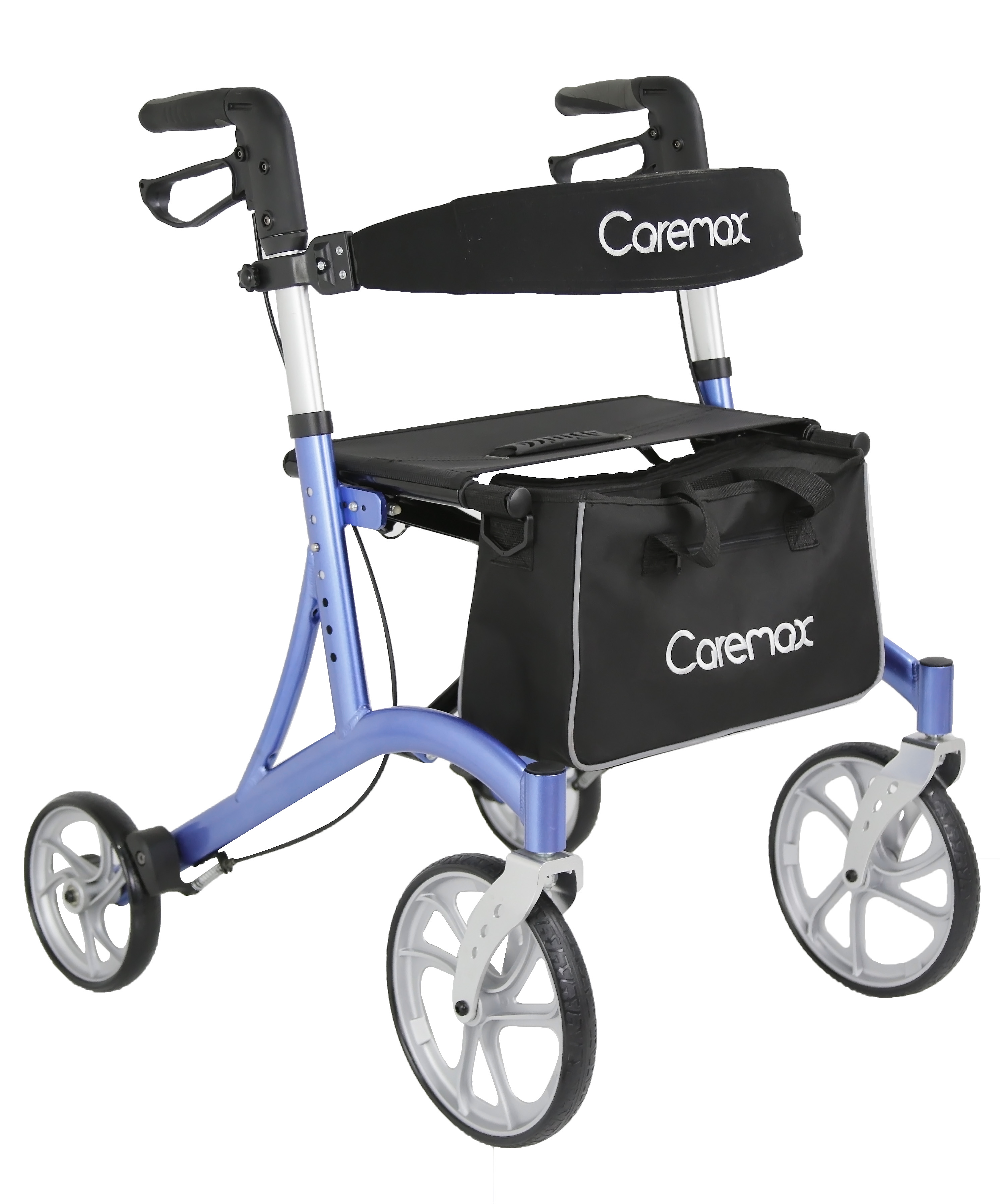
Building Cost Transparency Models for Predictable Rollator Procurement
As the mobility aid market becomes more global and complex, procurement and product managers are under unprecedented pressure to control costs and deliver value. The challenge is clear: how can organizations achieve budget certainty and cost predictability amid volatile raw material prices, fluctuating logistics rates, and multi-tiered supply chains? This guide explores step-by-step how to build cost transparency models for rollator procurement, laying the groundwork for genuine Rollator Purchase Cost Certainty and equipping your team with the tools for proactive, data-driven sourcing decisions.
1. The Imperative of Cost Transparency in Rollator Sourcing
Transparent cost models are the foundation for sustainable procurement. In an industry where regulatory compliance, patient safety, and fast-changing technologies converge, understanding the true cost structure is essential not only for cost control, but also for building supplier trust and long-term business continuity.
Risk Reduction: Transparency exposes hidden costs and makes budget deviations traceable.
Negotiation Leverage: Data-driven models help buyers negotiate better terms and incentives.
Continuous Improvement: Pinpointing cost drivers enables ongoing optimization and innovation.
Most importantly, cost transparency is the only way to deliver on the promise of Rollator Purchase Cost Certainty—making costs predictable from the planning stage through to delivery and after-sales service.
2. Mapping the Rollator Cost Structure: Beyond Unit Price
Effective cost transparency begins with a detailed cost breakdown for every stage of the procurement lifecycle:
Direct Material Costs: Raw materials, components, and consumables, including supplier-specific markups or surcharges.
Manufacturing Costs: Labor, overhead, utilities, and yield loss rates within the rollator factory.
Logistics & Transport: Freight, customs duties, insurance, local distribution fees.
Quality & Compliance: Testing, certifications, regulatory audits, warranty provisions.
Indirect Costs: Procurement process costs, internal approvals, documentation, supplier management.
Aftermarket & Support: Spare parts, customer support, end-of-life disposal costs.
By mapping and quantifying these cost buckets, procurement teams move beyond “lowest unit price” to a total cost of ownership (TCO) mindset—the first step toward predictable, reliable spend.
3. Key Models for Cost Transparency in Rollator Procurement
Open-Book Costing
Under open-book costing, suppliers share detailed cost breakdowns for major components, allowing buyers to validate price drivers and benchmark against market averages. It builds trust, creates negotiation leverage, and accelerates cost optimization projects.
Should-Cost Modelling
Procurement and engineering teams jointly develop a “should-cost” estimate for every rollator part, based on market data, process analysis, and technical specifications. Variances are flagged for investigation and supplier collaboration.
Digital Cost Dashboards
Integrate supplier, logistics, and internal data into digital dashboards with real-time cost tracking and variance analysis. These tools enable quick scenario planning and early warning of cost deviations.
4. Steps to Build and Sustain a Cost Transparency Model
Supplier Engagement: Invite key suppliers to co-develop transparency protocols and participate in open-book costing pilots.
Cost Data Collection: Systematically gather cost data at every stage—raw material quotes, process costs, logistics invoices, and compliance expenses.
Data Validation & Benchmarking: Use third-party databases and market intelligence to validate supplier cost submissions and flag outliers.
Internal Alignment: Train procurement, engineering, and finance teams to interpret and act on transparent cost data.
Continuous Improvement: Review cost models regularly, updating for market trends, technology advances, and changing business goals.
5. Common Pitfalls and How to Avoid Them
Supplier Resistance: Address concerns by positioning transparency as a partnership opportunity for efficiency and shared savings.
Data Quality: Enforce standardized formats and perform spot checks to ensure data accuracy and completeness.
Overemphasis on Short-Term Savings: Stay focused on total cost, long-term reliability, and value-added services—not just upfront price.
Technology Gaps: Invest in procurement digitalization and analytics to automate data capture and analysis.
6. Real-World Example: Cost Transparency Driving Rollator Purchase Cost Certainty
A European mobility aid distributor implemented a digital cost dashboard, integrating supplier open-book data and real-time logistics costs. Over 18 months, cost predictability improved by 22%, with zero major budget overruns. The project also reduced lead times by 15% due to faster approval cycles and more accurate forecasting.
Lessons Learned: Success required ongoing supplier collaboration, cross-functional buy-in, and regular review meetings to discuss cost variance and corrective actions.
7. The Role of Contracting and KPIs in Sustaining Transparency
Include transparency clauses in all supplier contracts (right to audit, data disclosure requirements).
Define KPIs such as percentage of spend under open-book costing, number of cost deviations, or forecast accuracy rate.
Align supplier incentives (e.g., gainsharing) with joint cost reduction or predictability targets.
Review supplier performance quarterly, with corrective actions for persistent non-compliance.
8. Tools and Technologies to Enable Transparency
Cloud-based procurement suites (SAP Ariba, Coupa, Jaggaer, etc.) for integrated cost management and real-time analytics.
Automated spend analysis tools to spot cost outliers and optimize categories.
Supplier portals for collaborative cost breakdown submission and review.
Blockchain for immutable data trails and anti-fraud in high-value supply contracts.
9. Building a Culture of Cost Transparency
Foster openness, regular communication, and shared learning between buyers and suppliers.
Recognize and reward teams and partners who champion transparency and deliver measurable results.
Include cost transparency in procurement staff KPIs and annual reviews.
Conclusion
Achieving true Rollator Purchase Cost Certainty is only possible with robust, well-implemented cost transparency models. By adopting best practices—open-book costing, should-cost modelling, digital dashboards—and embedding transparency in contracts, tools, and culture, procurement and product managers can deliver predictable, controllable spending. The reward is more than just lower costs: it’s stronger supplier relationships, faster innovation, and a sustainable competitive edge.
For more details, please visit: https://smartelderlycare.com/
SEO Keywords & Related Groups
Cost Transparency Models for Predictable Rollator Procurement, Rollator Purchase Cost Certainty, procurement transparency, rollator sourcing, open-book costing, should-cost modelling, digital cost dashboard, TCO rollator, supplier engagement, cost benchmarking, procurement analytics, supply chain cost control, price forecasting, spend analysis tools, contract transparency, gainsharing incentives, procurement KPIs, supplier collaboration, cost data validation, logistics cost tracking, risk management procurement, budget predictability, cloud procurement platform, cost deviation analysis, supplier performance review, total cost ownership, cost variance corrective action, real-time cost data, procurement digitalization, cost breakdown portal, anti-fraud blockchain, mobility aid procurement, transparent sourcing, rollator cost structure, sourcing technology, market intelligence rollator, procurement culture, forecast accuracy, supplier partnership, procurement best practice, strategic sourcing, procurement negotiation, compliance cost audit.
SEO Tags
Cost Transparency Models for Predictable Rollator Procurement, Rollator Purchase Cost Certainty, procurement transparency, rollator sourcing, open-book costing, should-cost modelling, digital cost dashboard, TCO rollator, supplier engagement, cost benchmarking, procurement analytics, supply chain cost control, price forecasting, spend analysis tools, contract transparency, gainsharing incentives, procurement KPIs, supplier collaboration, cost data validation, logistics cost tracking, risk management procurement, budget predictability, cloud procurement platform, cost deviation analysis, supplier performance review, total cost ownership, cost variance corrective action, real-time cost data, procurement digitalization, cost breakdown portal, anti-fraud blockchain, mobility aid procurement, transparent sourcing, rollator cost structure, sourcing technology, market intelligence rollator, procurement culture, forecast accuracy, supplier partnership, procurement best practice, strategic sourcing, procurement negotiation, compliance cost audit
READ MORE:
- Mitigating Hidden Costs: Total Cost of Ownership (TCO) Approaches for Rollator Procurement
- Supplier Collaboration and Open-Book Costing in Rollator Sourcing
- Leveraging Digital Tools for Rollator Purchase Cost Certainty
- Mitigating ESG Risks in the Global Rollator Supply Chain: Frameworks and Action Plans





