






Building Long-Term Accountability in Rollator Accessory Procurement Partnerships
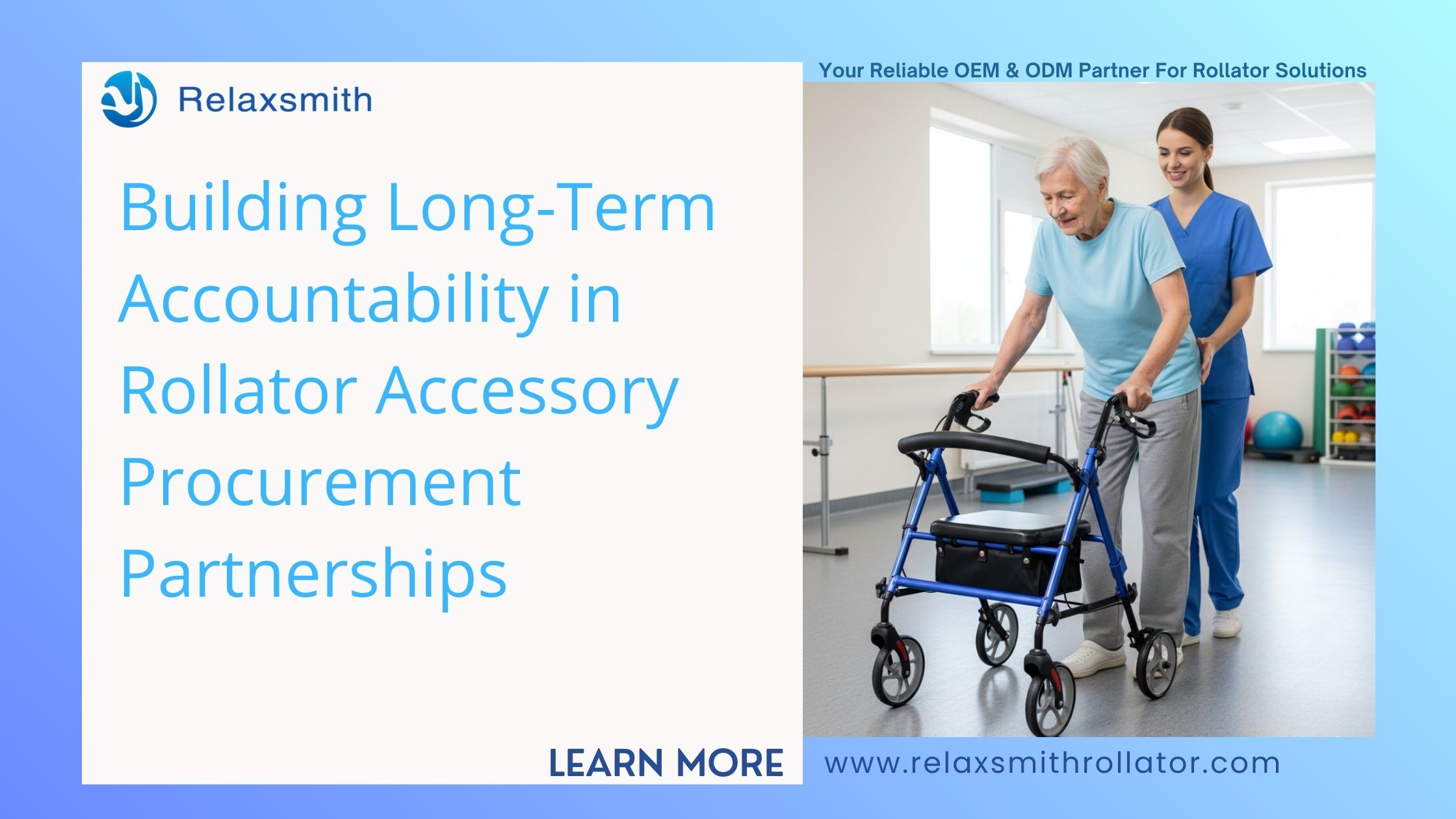
To ensure a resilient and innovative supply chain, procurement managers must move beyond transactional relationships and cultivate long-term accountability with suppliers of rollator accessories. This article explores partnership strategies for sustained performance and value in Rollator accessory procurement.
1. Establishing Shared Goals and Performance Metrics
Effective supplier partnerships start with shared objectives and clearly defined metrics. Aligning both parties on KPIs such as quality, on-time delivery, and cost control builds a foundation for mutual accountability in Rollator accessory procurement.
Joint business planning and roadmap development
Continuous improvement goals
Performance scorecards and feedback loops
2. Open Communication and Transparency
Trust grows from transparent communication. Regular meetings, joint problem-solving sessions, and clear escalation procedures allow for rapid issue resolution and strengthen long-term reliability in Rollator accessory procurement.
Monthly or quarterly review meetings
Supplier and buyer engagement in root-cause analysis
Transparent reporting of performance data and improvement actions
3. Supplier Development Programs
Support supplier capability building through training, technology sharing, and investment in process upgrades. Structured supplier development drives innovation and ensures suppliers can meet evolving quality and compliance expectations.
4. Incentives and Recognition for Accountability
Rewarding suppliers for consistent high performance, innovation, and proactive risk management reinforces positive behaviors. Recognition programs include preferred supplier status, extended contracts, and co-branding opportunities.
5. Managing Change and Disruption
Develop flexible partnership agreements to accommodate changing business needs
Scenario planning and risk-sharing mechanisms for disruption management
Regularly review partnership health and make adjustments as needed
6. Case Study: Driving Value through Strategic Partnerships
A mobility manufacturer built a strategic partnership with a key rollator accessory supplier. By investing in supplier training and technology upgrades, both parties achieved improved delivery rates, lower defect rates, and faster time-to-market for new products. Joint quarterly reviews sustained focus on continuous improvement and shared risk mitigation.
7. Conclusion
Long-term supplier accountability is best achieved through collaborative partnerships that drive reliability, performance, and innovation in Rollator accessory procurement. By establishing shared goals, fostering transparency, and supporting supplier development, procurement leaders can ensure a sustainable and competitive supply chain.
For more details, please visit: https://smartelderlycare.com/