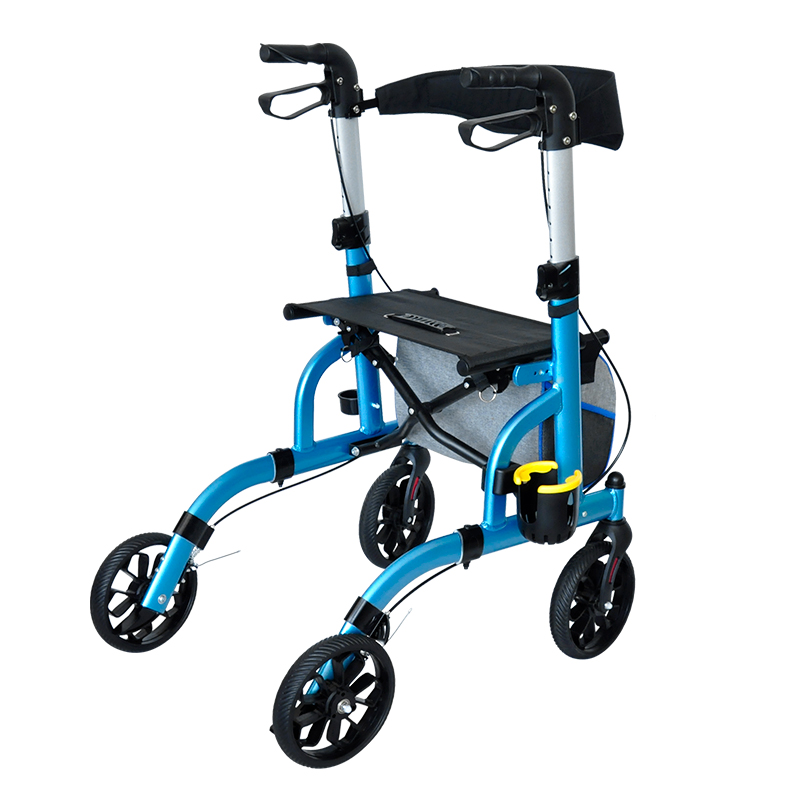
Building a Supplier Data Model to Enhance Rollator Cost TransparencyBuilding a Supplier Data Model to Enhance Rollator Cost Transparency
Transparency is one of the most important principles in modern procurement strategy. For rollator manufacturers and sourcing teams, opaque pricing structures and incomplete supplier data often lead to uncontrolled hidden costs. A supplier data model can bring structure, clarity, and actionable insights to procurement. This article explains how to build a supplier-centric data model to uncover inefficiencies and boost cost accountability in rollator sourcing.
1. What Is a Supplier Data Model?
A supplier data model is a structured framework that captures and organizes all relevant information from your supplier base in a way that supports strategic analysis and decision-making. It can include:
Supplier profile data (location, capabilities, certifications)
Transactional history (orders, pricing, returns)
Performance metrics (quality, delivery, responsiveness)
Cost breakdown inputs and revisions
Compliance documentation (audits, ESG metrics)
2. Why Rollator Procurement Needs Data Transparency
In rollator production, small inefficiencies across many parts and vendors quickly escalate costs. Key transparency benefits include:
Faster identification of cost inflation drivers
Cross-vendor comparison on like-for-like components
Standardized cost breakdown for rollator parts
Deeper visibility into upstream and downstream supply risks
Better forecasting accuracy using historical supplier behavior
3. Elements of a Robust Rollator Supplier Data Model
The model should combine both qualitative and quantitative attributes, such as:
Master Supplier List: Unique IDs, DUNS, region tags
Component BOM Linkage: Which parts come from whom
Unit Cost History: Historical price changes with justifications
Cost Breakdown Templates: Line-item visibility: labor, materials, margin
Lead Time Performance: Planned vs. actual delivery cycles
Quality Metrics: Returns, yield, rework rates
4. Tools for Creating and Managing the Model
Use scalable platforms that can ingest structured and unstructured data:
ERP Systems: SAP, Oracle, NetSuite
Supplier Management Portals (SRM)
Data Lakes for raw logs and documents
Tableau / Power BI dashboards for real-time analysis
Excel with Power Query for small-scale pilots
5. How to Use the Model to Improve Procurement Outcomes
Run TCO (Total Cost of Ownership) models for each supplier
Evaluate vendors using cost-to-serve and yield ratios
Negotiate based on real-time analytics rather than static price lists
Reward suppliers with stable, transparent cost behavior
Trigger supplier development actions based on outlier patterns
6. Implementation Tips for Procurement Teams
Start with high-spend suppliers and strategic rollator components
Set standardized data entry requirements in contracts
Establish a supplier scorecard committee with engineering, QA, and logistics
Update the model monthly or quarterly
Train stakeholders to act on data rather than intuition
For more details, please visit: https://relaxsmithrollator.com/
SEO Keywords
rollator order cost breakdown, supplier data model procurement, transparency in rollator sourcing, cost breakdown framework, vendor performance metrics, ERP supplier integration, procurement data strategy, rollator BOM supplier map, cost deviation dashboard, lead time analytics rollators, supplier scorecard system, cost-to-serve mobility suppliers, historical pricing rollator components, strategic sourcing visibility, supplier transparency tools, procurement master data, supplier evaluation software, rollator vendor tracking, quality metrics sourcing, cost audit checklist mobility products
Article Tags: rollator order cost breakdown, supplier data model, sourcing transparency, procurement strategy, supplier analytics
READ MORE:









