Comparing Cost-Benefit for Rollators: A Practical Procurement Framework
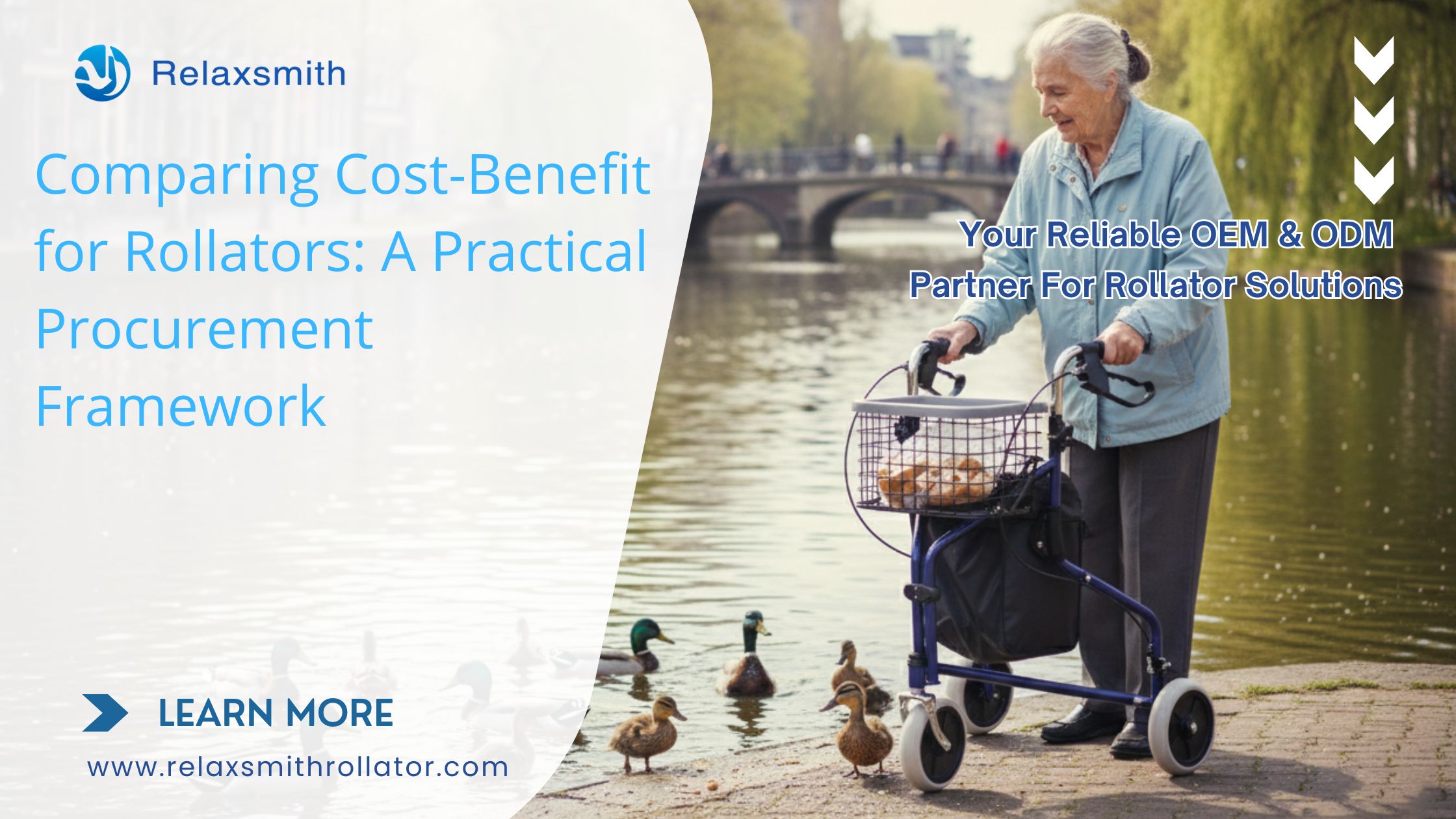
With so many rollator models available—each offering distinct specifications and features—procurement teams face increasing pressure to conduct accurate, transparent cost-benefit comparisons. This article offers a step-by-step framework for evaluating the trade-offs and value propositions of rollators with diverse specifications, equipping decision-makers to make more effective, data-driven investments.
1. Mapping Key Specification Variables
Identify and catalog all relevant variables for each rollator, including materials, weight capacity, folding mechanisms, user comfort features, braking systems, and service support. A thorough inventory forms the baseline for consistent cost-benefit analysis rollator processes.
2. Calculating All-Inclusive Costs
Go beyond initial purchase price by incorporating hidden costs: freight, storage, training, preventive maintenance, and after-sales service. Document these across all rollator options to enable a fair comparison.
3. Evaluating Tangible and Intangible Benefits
List measurable benefits (longevity, warranty, user satisfaction, clinical outcomes) and intangible factors (brand reputation, design appeal, supplier reliability). Assign each benefit a qualitative or quantitative score for every rollator model.
4. Developing a Weighted Evaluation Matrix
Work with cross-functional stakeholders to weight both cost and benefit criteria according to organizational priorities—be it durability, cost-savings, or user preference. The weighted matrix yields an unbiased, replicable analysis.
5. Presenting Results and Supporting Decisions
Summarize results in visual dashboards or reports that clearly show the trade-offs for each rollator specification. Transparent presentation aids procurement, finance, and end-user stakeholders in selecting the best value solution.
Conclusion
Adopting a structured, weighted framework for cost-benefit analysis empowers procurement teams to make better rollator investments—even when specifications are highly diverse. The right approach supports organizational transparency, confidence, and returns on investment.
For more details, please visit: https://smartelderlycare.com/
Tags: Cost-benefit analysis rollator, Specification comparison, Weighted evaluation, Procurement framework, Data-driven investment, User comfort, Maintenance cost, Procurement transparency, Dashboard reporting, Decision support
SEO Keywords: Cost-benefit analysis rollator, Rollator specification comparison, Procurement decision rollator, Weighted evaluation rollator, Rollator data-driven analysis, Specification variables rollator, Maintenance cost rollator, Procurement transparency, Rollator dashboard report, Procurement investment analysis, Rollator trade-off matrix, Procurement weighted matrix, Rollator user satisfaction, Cost comparison rollator, Rollator benefit score, Procurement decision support, Rollator investment ROI, Procurement outcome analysis, Supplier reliability rollator, Rollator service support, Procurement reporting tools, Rollator warranty analysis, Rollator design benefit, Procurement clinical outcome, Specification trade-off, Rollator procurement confidence, Data-driven procurement, Procurement visual analysis, Rollator qualitative score, Procurement quantitative analysis, Cross-functional procurement, Rollator reporting framework, Rollator finance support, Procurement stakeholder alignment, Rollator preference analysis, Rollator transparency process, Procurement returns analysis, Procurement structured approach, Rollator presentation tool, Rollator investment framework, Procurement durability matrix, Specification inventory rollator