





Documentation & Evidence: How to Maximize Rollator Reimbursement by Health Insurance
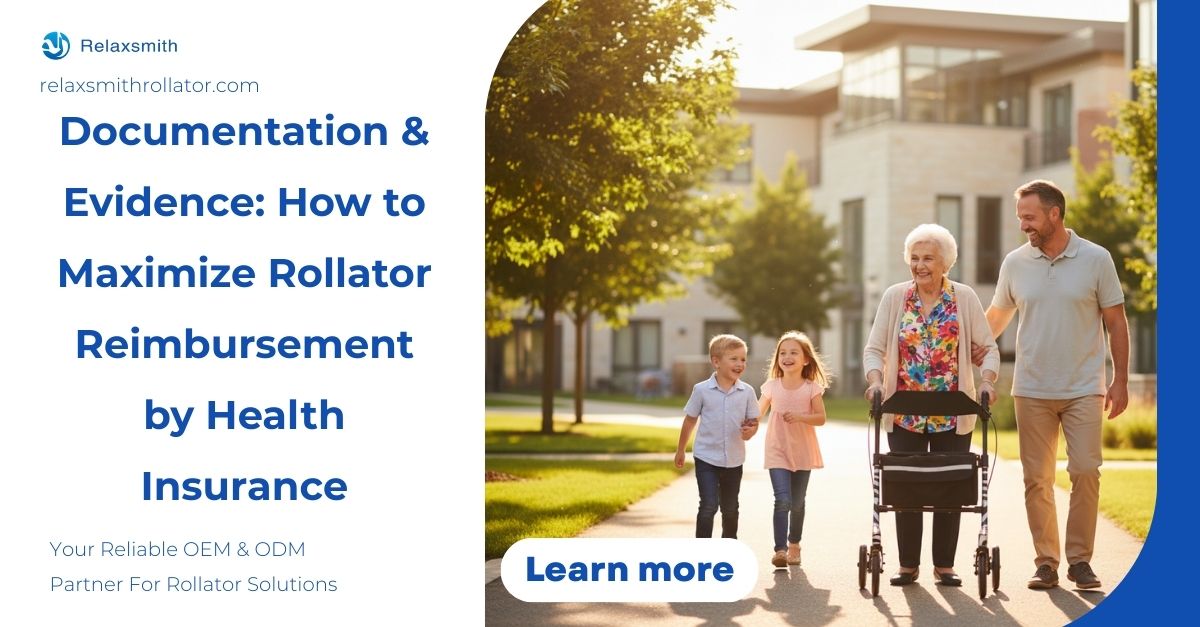
In the competitive field of healthcare procurement, having a clear reimbursement path is essential. For product managers and supply chain professionals, understanding how to prepare the proper documentation can make or break your success in getting a rollator reimbursed by health insurance. This article details the key documentation practices and evidence frameworks that maximize the probability of successful claims.
1. Define Medical Necessity with Precision
The foundation of a successful reimbursement request lies in a physician’s certificate of medical necessity (CMN). Ensure that the physician includes:
Diagnosis code (ICD-10)
Duration of required use
Mobility limitations and how the rollator solves them
Why other alternatives (e.g., canes, walkers) are not sufficient
When aiming to get a rollator reimbursed by health insurance, this form is the medical anchor that justifies the claim.
2. Ensure Supplier Accreditation and Product Classification
Work only with suppliers that are accredited by Medicare (or equivalent authority). The rollator itself should have a recognized HCPCS code and be classified under DME (Durable Medical Equipment). Include:
Supplier ID and license number
FDA device registration if applicable
HCPCS code and CMS classification
When questioned on whether a rollator reimbursed by health insurance is legitimate, your claim should clearly link to an approved, billable product.
3. Include Financial Documents with Traceability
Provide:
Itemized invoice showing cost, model, quantity
Purchase orders (POs) linked to patient reference
Proof of payment
Claims are often rejected due to lack of traceability or mismatched paperwork. Keep digital copies in compliance with your health system’s record retention policy.
4. Supplement with Clinical Literature & Case Evidence
Bolster the request with:
Peer-reviewed studies on fall prevention using rollators
Internal case studies showing reduction in readmission
End-user testimonials (with consent)
These enhance the legitimacy of your case and demonstrate that your choice is grounded in data—not just budget.
5. Build a Documentation Template Library
Create reusable templates for:
Medical necessity forms
Standard insurance cover letters
Appeal templates
Streamlining this process reduces your team’s workload and accelerates resubmissions if the initial claim is denied.
Conclusion
The key to reimbursement is not just eligibility—it’s the documentation. By aligning with DME guidelines, leveraging clinical data, and ensuring consistency across supplier, finance, and medical sources, procurement teams can confidently pursue getting every rollator reimbursed by health insurance.
SEO Keywords (same 40 groups from series)
rollator reimbursement
health insurance DME coverage
mobility aid procurement
medical equipment procurement
insurer durable medical equipment
insurance claim appeal
clinical justification document
procurement of rollators
bulk mobility supplies
supplier documentation package
medical necessity letter
equipment reimbursement process
patient mobility device
insurer DME policy
reimbursement strategy
product manager mobility aids
procurement strategy health care
supply chain medical devices
claim submission process
reimbursement documentation
appeal denied claim
manufacturer warranty documentation
insurance coding for rollator
procurement justification
clinical evidence submission
fall risk reduction data
cost savings analysis
policy change tracking
durable medical equipment policy
insurer mobility aid coverage
equipment category DME
patient mobility support
device reimbursement audit
insurance claim best practices
health plan mobility devices
procurement‑insurer alignment
company reimbursement program
certified medical supplier
reimbursement approval rate
Tags:
rollator reimbursement, health insurance DME coverage, mobility aid procurement, medical equipment procurement, insurer durable medical equipment, insurance claim appeal, clinical justification document, procurement of rollators, bulk mobility supplies, supplier documentation package, medical necessity letter, equipment reimbursement process, patient mobility device, insurer DME policy, reimbursement strategy, product manager mobility aids, procurement strategy health care, supply chain medical devices, claim submission process, reimbursement documentation, appeal denied claim, manufacturer warranty documentation, insurance coding for rollator, procurement justification, clinical evidence submission, fall risk reduction data, cost savings analysis, policy change tracking, durable medical equipment policy, insurer mobility aid coverage, equipment category DME, patient mobility support, device reimbursement audit, insurance claim best practices, health plan mobility devices, procurement‑insurer alignment, company reimbursement program, certified medical supplier, reimbursement approval rate