



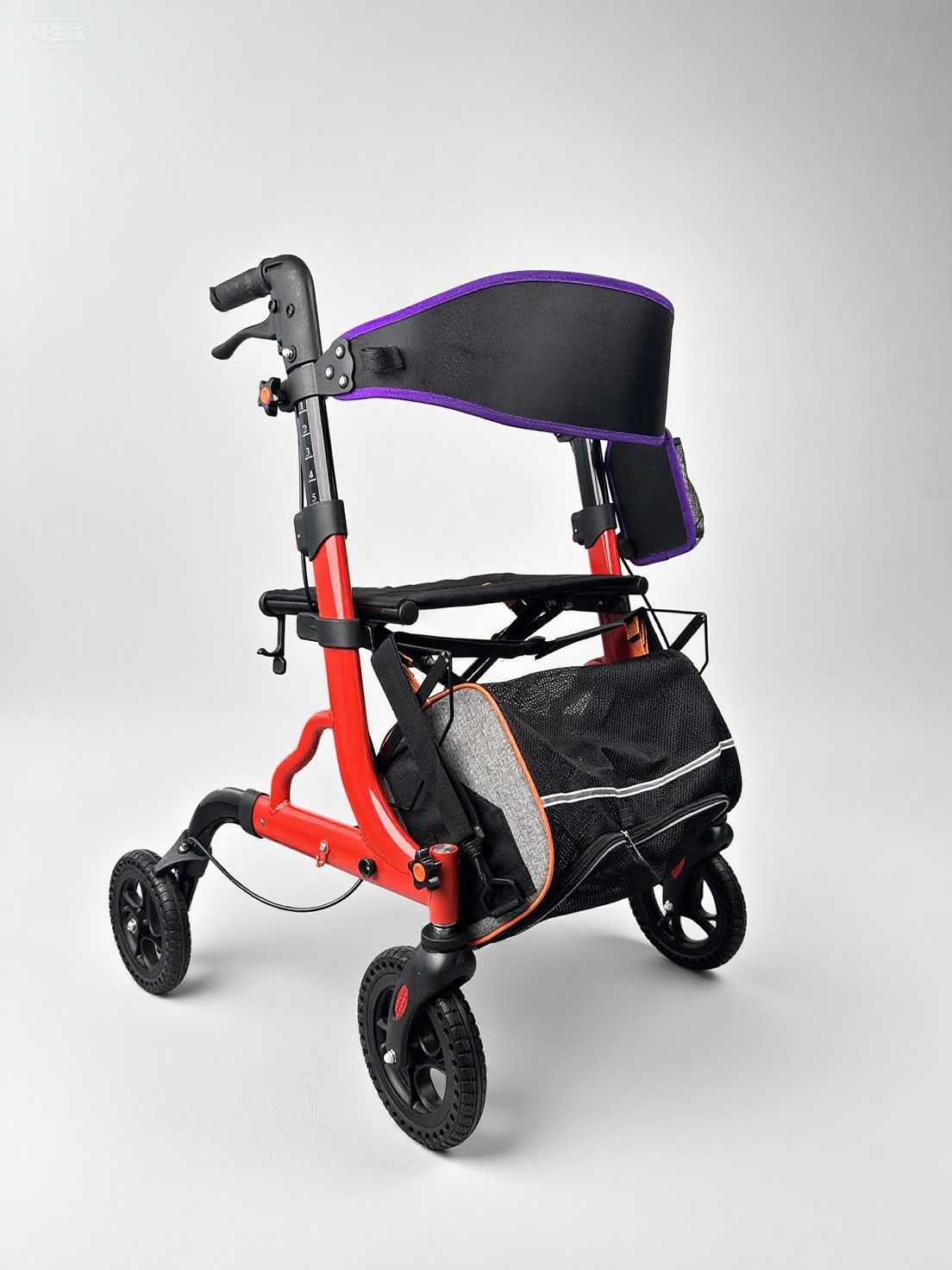
ESG Procurement of Mobility Walkers: A Strategic Approach for Healthcare Decision-Makers
Introduction
In today’s healthcare landscape, sustainability is becoming an increasingly important factor in procurement decisions. As the focus shifts toward a more environmentally conscious and socially responsible approach, ESG (Environmental, Social, and Governance) procurement has gained significant traction. This shift has made it essential for healthcare procurement professionals, particularly product managers, purchasing managers, and supply chain decision-makers, to evaluate the broader impact of their procurement choices. When it comes to mobility aids like aluminum four-wheel walkers with bags and brake systems, the decision-making process must consider not only cost and functionality but also sustainability, ethical sourcing, and long-term value.
In this article, we will explore how healthcare institutions can integrate ESG principles into the procurement of mobility walkers. We will focus on the importance of what to consider in the procurement process, how ESG factors can be applied, and why a strategic approach to ESG procurement is essential for improving both patient care and the overall healthcare supply chain. This approach ensures that healthcare providers are making responsible purchasing decisions that align with long-term sustainability goals, while also enhancing patient safety and satisfaction.
What to Consider in ESG Procurement of Mobility Walkers
The procurement of mobility walkers, particularly aluminum four-wheel walkers with bags and brake systems, involves evaluating various factors, especially in the context of ESG. This process requires healthcare procurement professionals to weigh not only the technical specifications and cost-effectiveness of the walkers but also their environmental and social impacts.
1. Environmental Impact: Sustainability in Materials and Manufacturing
One of the key factors in ESG procurement is the environmental impact of the products being purchased. Aluminum, a popular material for mobility walkers, is known for being lightweight and durable, but it also has a significant carbon footprint due to the energy-intensive process required to produce it. However, many manufacturers are now moving toward recycled aluminum and sustainable manufacturing practices to reduce this environmental impact. This shift aligns with green procurement principles, which prioritize the use of materials and products that are more sustainable and have a lower environmental impact.
Example: A large hospital system in California adopted recycled aluminum for their mobility walkers to reduce their carbon footprint. This decision not only supported the hospital's sustainability goals but also positioned them as a leader in green procurement, attracting attention from environmentally conscious stakeholders.
2. Social Impact: Enhancing Patient Safety and Well-being
In addition to environmental considerations, the social aspect of ESG procurement is critical. The mobility of patients, especially the elderly and those recovering from surgery, depends largely on the quality and safety of the equipment they use. Ensuring that mobility walkers are designed with features that prioritize patient safety, such as reliable braking systems, ergonomic handles, and comfortable seating, is crucial. By investing in high-quality, safe, and durable walkers, healthcare institutions can improve patient outcomes and reduce the risk of falls and injuries.
Internal vs. External Brakes
A key safety feature to consider in the procurement of mobility walkers is the brake system. Walkers with external brakes offer more immediate control and are generally easier to repair or adjust, which may be preferred in healthcare settings where frequent maintenance is required. Internal brakes, on the other hand, are often more durable and require less maintenance but may not be as easily adjustable.
Example: A rehabilitation center in the UK selected walkers with internal brakes for their long-term care patients. The internal brakes provided long-lasting durability and required minimal maintenance, resulting in lower operational costs over time. This decision was influenced by the need to maintain patient safety while also ensuring that the walkers would remain in good condition for an extended period.
3. Governance: Ethical Sourcing and Supplier Transparency
Governance in ESG procurement focuses on the ethical practices of suppliers. Healthcare institutions should ensure that their suppliers adhere to high standards of business ethics, including fair labor practices, transparent supply chains, and responsible sourcing of materials. This ensures that the products being procured are not only high-quality but are also produced under conditions that align with ethical standards.
Procurement teams must assess suppliers based on their commitment to sustainability and ethical practices, ensuring that the products meet the institution’s values. This includes verifying certifications such as Fair Trade, ISO 14001 (Environmental Management), or ISO 45001 (Occupational Health and Safety), which indicate that a supplier adheres to internationally recognized standards of social and environmental responsibility.
Example: A large hospital group in Germany partnered with a supplier who provided aluminum walkers manufactured in facilities with Fair Trade certification. This ensured that the workers in the manufacturing process were paid fairly, worked in safe conditions, and that the environmental impact of the manufacturing process was minimized. This alignment with governance principles strengthened the hospital’s reputation as a socially responsible organization.
How to Apply ESG Principles to Mobility Walker Procurement
Implementing ESG principles in the procurement of mobility walkers requires a systematic approach that integrates environmental, social, and governance considerations into each step of the purchasing process.
Supplier Evaluation: Sustainability and Ethical Practices
The first step in integrating ESG into mobility walker procurement is evaluating potential suppliers based on their commitment to sustainable practices and ethical standards. Suppliers should be assessed for their use of environmentally friendly materials, energy-efficient manufacturing processes, and adherence to fair labor practices. A robust supplier evaluation process helps ensure that only those suppliers who meet ESG criteria are selected.
Example: A hospital in the U.S. partnered with a walker supplier that was ISO 14001 certified, indicating that the supplier had implemented an effective environmental management system. This partnership not only reduced the environmental impact of the hospital’s procurement process but also helped enhance the institution’s corporate social responsibility profile.
Lifecycle Assessment: Total Cost of Ownership and Environmental Impact
An essential component of ESG procurement is conducting a lifecycle assessment (LCA) of the mobility walkers. This assessment looks at the total cost of ownership (TCO), including the initial purchase price, maintenance costs, energy consumption, and end-of-life disposal. Additionally, the environmental impact of manufacturing, use, and disposal should be considered. Mobility walkers that are designed for easy disassembly and recycling at the end of their life cycle contribute to a circular economy model, which reduces waste and conserves resources.
Example: A healthcare facility in Canada performed an LCA on two competing models of mobility walkers. While the initial purchase cost of one model was lower, it required more frequent repairs and had a shorter lifespan, resulting in higher long-term costs. The second model, while slightly more expensive, was more durable and required less maintenance, ultimately providing better value over time.
Why ESG Procurement is Important for Healthcare Decision-Makers
Integrating ESG principles into the procurement of medical products like mobility walkers is no longer optional—it’s essential. Healthcare institutions are increasingly being held accountable for their environmental, social, and governance impacts by stakeholders, including patients, employees, and investors. By adopting ESG procurement strategies, healthcare organizations can demonstrate their commitment to sustainability and ethical practices while also improving patient care and operational efficiency.
1. Improved Patient Outcomes
When procurement decisions are made with ESG considerations in mind, healthcare institutions can ensure that the products they use are of the highest quality and best suited to the needs of their patients. This not only improves patient safety and satisfaction but also enhances overall healthcare outcomes.
Example: A long-term care facility in Australia implemented an ESG-driven procurement strategy for mobility aids, which resulted in higher-quality walkers that were safer and more durable. The result was a significant reduction in patient falls and improved patient satisfaction with the mobility aids provided.
2. Financial Benefits
Although the initial investment in high-quality, sustainable mobility aids may be higher, the long-term savings are substantial. Reducing waste, minimizing maintenance costs, and extending product lifecycles all contribute to cost savings over time. Moreover, demonstrating a commitment to ESG can improve an institution’s reputation and attract investment from socially responsible investors.
Example: A healthcare system in the U.K. found that by choosing recycled aluminum walkers, they were able to reduce their carbon footprint and align with national sustainability goals. Over time, the walkers proved to be more cost-effective due to their durability and lower maintenance costs, ultimately providing a strong return on investment.
The Future of ESG Procurement in Healthcare
As healthcare systems worldwide shift toward more sustainable and responsible practices, ESG procurement will play an increasingly important role in shaping the industry. The future of mobility walker procurement will likely include more sustainable materials, innovations in design, and a stronger emphasis on ethical sourcing. By integrating ESG principles into their procurement processes, healthcare institutions will contribute to a more sustainable future while simultaneously improving patient care and organizational performance.
Conclusion
ESG procurement of mobility walkers is not just a trend—it is the future of responsible healthcare supply chain management. By considering environmental, social, and governance factors in the procurement process, healthcare organizations can enhance patient safety, reduce costs, and demonstrate their commitment to sustainability and ethical practices. The adoption of ESG principles in procurement decisions will ultimately lead to better healthcare outcomes, improved operational efficiency, and a positive societal impact.
SEO Keywords Block:
| Column 1 | Column 2 |
|---|---|
| ESG procurement medical walker | medical walker procurement |
| sustainable mobility walker procurement | best walkers for elderly patients |
| healthcare procurement strategies | healthcare walker trial period |
| green procurement mobility aids | adjustable mobility walkers |
| durable healthcare walkers | walker safety features |
| aluminum four-wheel walker procurement | mobility aids for elderly |
| ESG sourcing for medical walkers | healthcare walker cost analysis |
| four-wheel walker with brakes | scalable healthcare solutions |
| patient-centered mobility solutions | rehabilitation walker procurement |
| ethical sourcing mobility aids | patient independence solutions |
| environmental impact of mobility walkers | procurement of medical walkers |
| healthcare walker selection process | total cost of ownership of walkers |
| circular economy in healthcare procurement | mobility walker features |
| sustainable mobility solutions | patient mobility solutions |
| strategic sourcing medical walker | walker procurement for elderly care |
Tags List (Two Columns)
| Column 1 | Column 2 |
|---|---|
| ESG procurement medical walker | mobility walker procurement |
| four-wheel walkers | elderly care mobility aids |
| healthcare procurement | mobility aids for seniors |
| rehabilitation equipment | adjustable walkers |
| walker safety features | healthcare equipment purchasing |
| healthcare walker selection | patient mobility solutions |
| adjustable mobility walkers | durable mobility solutions |
| healthcare walker trial period | patient-centered mobility solutions |
| sustainable mobility solutions | walker procurement for healthcare |
| healthcare equipment purchasing | rehabilitation walker procurement |
READ MORE:
- Оптимизация логистики реабилитационных ходунков: подходы к улучшению поставок в здравоохранении
- Логистика модульных ходунков с подлокотниками: стратегический подход к закупкам в здравоохранении
- Ottimizzazione degli Acquisti di Deambulatori per la Sanità: Soluzioni Scalabili per le Strutture Sanitarie
- Logistica dei Walkers con Braccioli Modulari: Un Approccio Strategico per gli Acquisti nel Settore Sanitario





