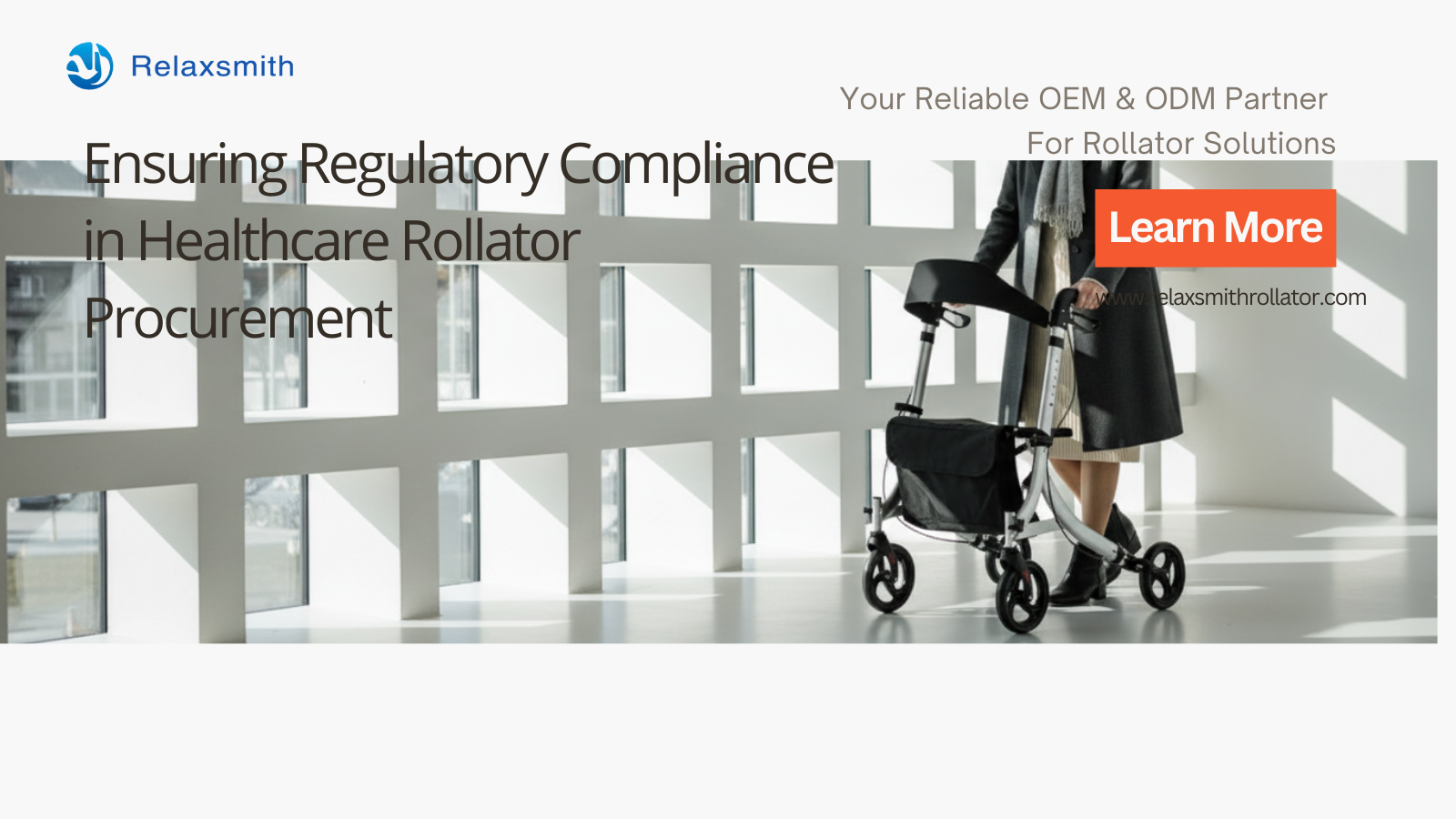
Ensuring Regulatory Compliance in Healthcare Rollator Procurement
For large-scale healthcare procurement rollator projects, regulatory compliance and quality assurance are non-negotiable. This article details how procurement managers, product managers, and supply chain experts can establish robust compliance frameworks to guarantee safety, reliability, and legal alignment in rollator sourcing.
1. Understanding Global and Local Regulatory Requirements
Successful healthcare procurement rollator programs demand knowledge of both international and domestic regulatory frameworks. Regulations such as the FDA (United States), CE marking (Europe), and ISO standards guide the minimum safety and performance criteria for rollators. Understanding these rules is essential for every procurement professional.
Map all regulatory requirements relevant to your market and sourcing regions.
Verify that supplier certifications are valid and up to date.
Include regulatory compliance as a mandatory criterion in RFPs.
2. Verification and Documentation of Certification
Certification documentation is the backbone of quality assurance. All suppliers in your healthcare procurement rollator pipeline should provide clear evidence of compliance with mandatory standards. Procurement teams should have systems for verifying, cataloging, and periodically auditing these documents.
Require digital and hardcopy certification for each rollator model.
Schedule random spot-checks and independent laboratory testing.
Reject suppliers with lapsed or insufficient documentation.
3. Quality Control and Batch Traceability
Maintaining batch-level traceability is essential for safety and risk mitigation. Effective procurement strategies require end-to-end traceability and thorough record-keeping for all rollators delivered under contract. This supports recalls, defect management, and audit readiness for healthcare procurement rollator projects.
Implement batch coding and serialized tracking of all procured rollators.
Maintain comprehensive delivery, acceptance, and defect logs.
Prepare clear action plans for recalls or product advisories.
4. Ongoing Audit and Compliance Monitoring
Compliance does not end at delivery. Healthcare procurement rollator managers must embed ongoing audit and compliance reviews into their procurement lifecycle, monitoring supplier performance and certification renewal. This continuous improvement cycle guards against non-compliance and ensures patient safety.
Schedule regular supplier audits and performance reviews.
Track expiry dates for all certifications and proactively manage renewals.
Leverage audit findings to improve procurement policies and processes.
5. Training and Stakeholder Engagement
Engaged and informed stakeholders—both internal and external—form the backbone of sustainable compliance. Conduct training on regulatory standards for procurement and supply chain teams, and maintain open communication with suppliers to stay ahead of regulatory shifts in the healthcare procurement rollator market.
Host regular training sessions and compliance workshops.
Disseminate regulatory updates to all involved parties promptly.
Encourage supplier participation in compliance improvement initiatives.
By building strong compliance frameworks, procurement leaders can minimize risk, ensure product quality, and achieve procurement excellence for healthcare rollator sourcing at any scale.
SEO Keywords
Strategic Procurement
Rollator Selection
Healthcare Procurement
Supplier Evaluation
Lifecycle Costing
Compliance Framework
Quality Assurance
Medical Device Sourcing
Procurement Best Practices
Patient Mobility Solutions
Regulatory Compliance
Supplier Auditing
Durability Assessment
Cost-Benefit Analysis
Supply Chain Risk
Healthcare Buyers
Product Scorecard
Supplier Performance
Clinical Evaluation
Total Value Analysis
Mobility Aid Procurement
Continuous Improvement
Operational Efficiency
Value-Based Purchasing
Clinical Needs Assessment
Patient Outcomes
After-Sales Service
Innovation in Rollators
Procurement Guidelines
Strategic Sourcing
For more details, please visit: www.relaxsmithrollator.com