





Evaluating Long-Term Expenses When Sourcing Rollators
Procurement managers and healthcare product professionals know that sourcing rollators is not merely about negotiating the best upfront price. Decisions made today will impact facility budgets, patient satisfaction, and compliance requirements for years to come. While cost-saving strategies are important, there are some hidden costs should be aware of when buying a rollator that require equal attention. This article explores how to evaluate the long-term financial impact of sourcing rollators and ensure procurement aligns with organizational goals.
1. Total Cost of Ownership vs Purchase Price
A rollator’s sticker price is only one element of the total cost of ownership (TCO). Long-term expenses include maintenance, staff training, storage, and replacement cycles. Procurement teams must expand evaluations to consider the broader lifecycle cost of each unit, rather than relying solely on the initial invoice.
2. Predicting Maintenance Demands
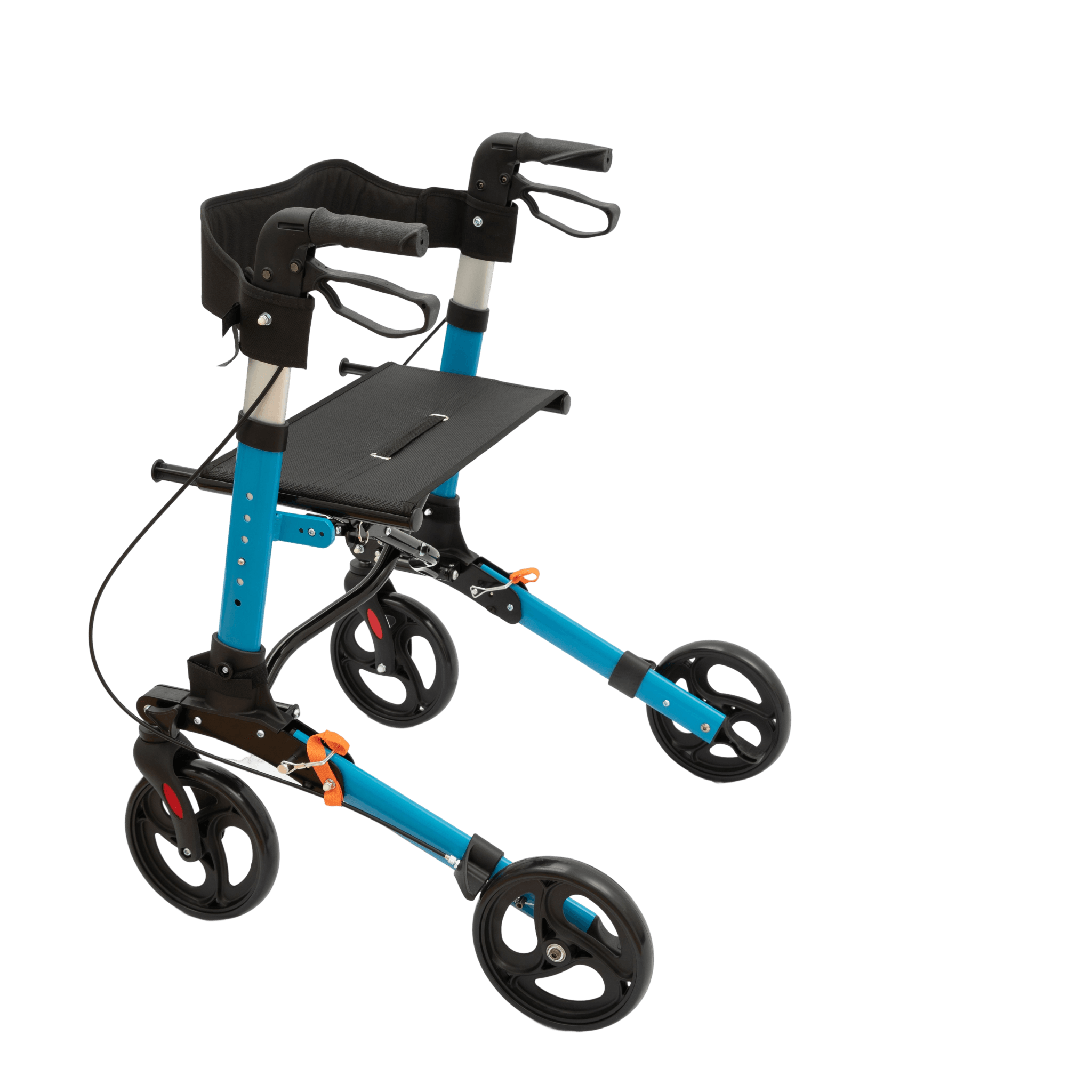
Rollators are exposed to daily wear and tear in hospitals, rehabilitation centers, and senior living facilities. Replacing grips, brakes, and wheels are recurring costs that add up. Budget forecasting should include a realistic maintenance plan, with clear supplier agreements for spare parts availability and service contracts.
3. Training and Adaptation Costs
New rollator models often feature different braking systems, storage mechanisms, or ergonomic designs. Staff and patients require orientation, and training consumes both time and money. Professional buyers must evaluate training resources offered by suppliers and factor them into long-term sourcing decisions.
4. Facility Infrastructure and Storage
Rollators occupy valuable facility space. Inadequate storage solutions increase operational inefficiencies and potential safety hazards. Storage racks, transport equipment, and climate-controlled rooms are indirect but significant costs associated with rollator procurement.
5. Regulatory and Compliance Costs
Compliance requirements evolve over time, especially in healthcare environments. Certification renewals, testing procedures, and audit documentation represent expenses rarely included in the initial purchase price. This makes compliance one of the some hidden costs should be aware of when buying a rollator.
6. Replacement and Lifecycle Planning
Rollators typically need replacement after 3–7 years, depending on usage intensity. Procurement teams should forecast replacement cycles and allocate budgets accordingly. Proactive planning avoids sudden expenditure spikes and supports long-term financial stability.
7. Patient Outcomes and Hidden Indirect Costs
Patient satisfaction and safety should be central to every procurement decision. Poor-quality rollators increase risks of accidents and reduce trust in healthcare facilities. Negative patient experiences create indirect costs in the form of liability claims, reputational damage, and reduced operational efficiency.
Conclusion: Strategic Procurement for Sustainable Value
Procurement teams and supply chain professionals should look beyond discounts and negotiations. By recognizing some hidden costs should be aware of when buying a rollator, leaders can create sourcing strategies that safeguard budgets, enhance patient experiences, and strengthen compliance. A long-term perspective ensures rollator procurement delivers sustainable value for healthcare facilities and the communities they serve.
SEO Keywords (40 groups for this series)
Total cost of ownership rollators
Healthcare procurement rollator costs
Maintenance expenses mobility aids
Training investment rollators
Facility storage costs rollators
Compliance renewal mobility devices
Lifecycle planning rollator sourcing
Indirect healthcare costs rollators
Procurement forecasting mobility aids
Supplier service contracts rollators
Replacement cycles procurement
Budget allocation healthcare mobility
Hospital sourcing hidden costs
Patient outcomes procurement
Cost-efficiency mobility devices
Operational inefficiencies rollators
Warranty value procurement
Healthcare product manager insights
Training program budgeting
Indirect risk procurement rollators
Long-term sourcing strategy rollators
Durability vs upfront pricing rollators
Healthcare compliance auditing rollators
Supply chain resilience rollators
Financial planning procurement devices
Institutional rollator replacement costs
Hospital procurement lifecycle approach
Mobility aid sourcing strategy
Product quality impact procurement
Operational costs mobility devices
Spare parts planning rollators
Facility safety procurement expenses
Rollator risk management sourcing
Indirect compliance expenses
Professional buyer cost planning
Healthcare value procurement
Strategic sourcing mobility devices
Cost projection rollator procurement
Audit readiness healthcare sourcing
Tags:
Total cost of ownership rollators, Healthcare procurement rollator costs, Maintenance expenses mobility aids, Training investment rollators, Facility storage costs rollators, Compliance renewal mobility devices, Lifecycle planning rollator sourcing, Indirect healthcare costs rollators, Procurement forecasting mobility aids, Supplier service contracts rollators, Replacement cycles procurement, Budget allocation healthcare mobility, Hospital sourcing hidden costs, Patient outcomes procurement, Cost-efficiency mobility devices, Operational inefficiencies rollators, Warranty value procurement, Healthcare product manager insights, Training program budgeting, Indirect risk procurement rollators, Long-term sourcing strategy rollators, Durability vs upfront pricing rollators, Healthcare compliance auditing rollators, Supply chain resilience rollators, Financial planning procurement devices, Institutional rollator replacement costs, Hospital procurement lifecycle approach, Mobility aid sourcing strategy, Product quality impact procurement, Operational costs mobility devices, Spare parts planning rollators, Facility safety procurement expenses, Rollator risk management sourcing, Indirect compliance expenses, Professional buyer cost planning, Healthcare value procurement, Strategic sourcing mobility devices, Cost projection rollator procurement, Audit readiness healthcare sourcing



