



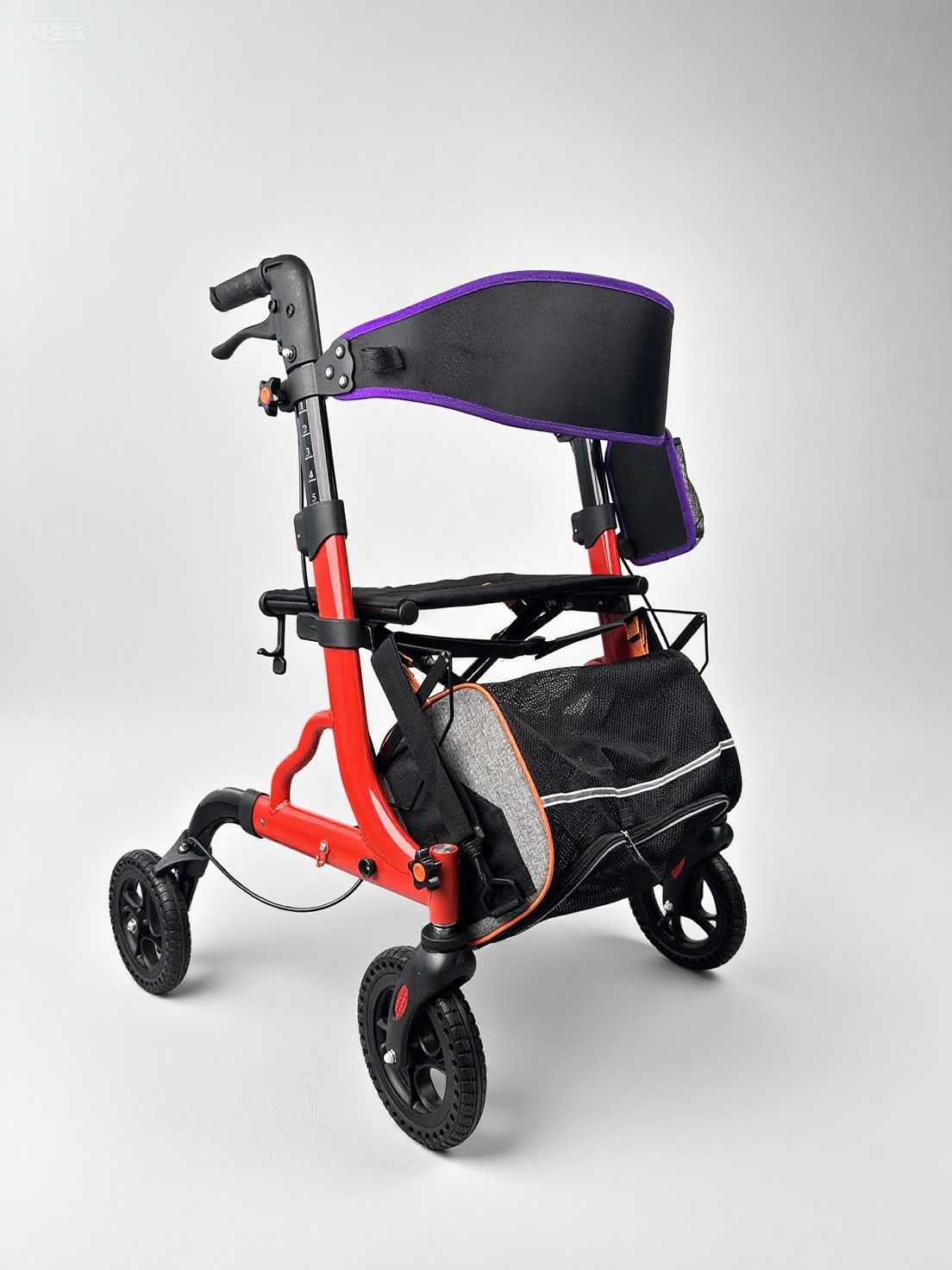
How Can Healthcare Systems Improve Patient-Centered Procurement for Walkers?
Healthcare systems around the world are constantly striving to improve their procurement processes to ensure the best outcomes for patients. One of the most critical aspects of this is the procurement of walkers and other mobility aids, which are essential for patients with mobility challenges. Patient-centered procurement is a strategy that can ensure that patients' needs and preferences are prioritized in the selection of mobility aids such as walkers. In this article, we will explore how healthcare systems can improve patient-centered procurement for walkers to enhance the quality of care and the overall patient experience.
What is Patient-Centered Procurement?
Patient-centered procurement is a holistic approach that focuses on the needs and preferences of patients when selecting products or services. Unlike traditional procurement methods, which often prioritize cost or efficiency, patient-centered procurement takes into account the individual needs of the patient. This approach is particularly important in healthcare, where the goal is not just to provide products, but to provide products that improve the patient's quality of life.
Why is Patient-Centered Procurement Important for Walkers?
Walkers and other mobility aids play a crucial role in improving the quality of life for patients with mobility issues. Whether used for rehabilitation, chronic conditions, or age-related mobility decline, walkers help patients regain their independence and improve their physical well-being. However, not all walkers are the same, and different patients require different types of mobility aids based on their specific needs. A one-size-fits-all approach to procurement can lead to suboptimal outcomes, which is why patient-centered procurement is so important in this context.
Challenges in Patient-Centered Procurement for Walkers
Despite its importance, patient-centered procurement for walkers comes with several challenges. One of the biggest obstacles is the variety of walkers available on the market. There are numerous types of walkers, each with different features and specifications. Some patients may require lightweight walkers, while others may need walkers with more stability or specialized features such as built-in seats or baskets. The challenge for healthcare systems is to ensure that the right walker is selected for each patient based on their unique needs.
How Can Healthcare Systems Improve Procurement Processes?
To improve patient-centered procurement for walkers, healthcare systems can take several steps:
1. Assessing Patient Needs: The first step in patient-centered procurement is assessing the individual needs of each patient. Healthcare providers should take the time to understand the patient's mobility limitations, preferences, and lifestyle factors. This can be done through patient consultations, physical assessments, and feedback from family members or caregivers. By understanding these needs, healthcare providers can make more informed decisions about which walkers to purchase.
2. Involving Patients in the Selection Process: Patients should be actively involved in the selection of their mobility aids. This not only ensures that the walker meets their needs but also empowers patients to take an active role in their healthcare. Patient involvement can be facilitated through discussions with healthcare providers, demonstrations of different walkers, and providing patients with a choice of options to consider.
3. Leveraging Technology for Better Decision-Making: Healthcare systems can use technology to improve decision-making and streamline the procurement process. Digital tools such as patient management systems and inventory tracking software can provide healthcare providers with real-time data on available walkers, patient preferences, and inventory levels. These tools can help ensure that the right walker is selected for each patient and that the procurement process is efficient and timely.
4. Collaborating with Suppliers: Building strong relationships with trusted suppliers is essential for improving patient-centered procurement. Healthcare systems should work closely with suppliers to ensure that they have access to a wide range of walkers that meet different patient needs. Suppliers should be able to provide guidance on the most appropriate products for specific patient conditions and offer flexibility in delivery schedules to meet patient needs.
5. Training Healthcare Providers: Healthcare providers should receive training on patient-centered procurement principles and how to select walkers that are best suited to individual patient needs. This training should include information on different types of walkers, how to assess patient needs, and how to involve patients in the decision-making process.
Case Study: Successful Implementation of Patient-Centered Procurement for Walkers
One example of successful patient-centered procurement comes from a healthcare system in the United Kingdom. This system implemented a patient-centered procurement strategy for walkers, focusing on personalized assessments and involving patients in the selection process. As a result, the system was able to improve patient satisfaction, reduce the number of walker returns, and ensure that patients received the most suitable walkers for their needs. This case study demonstrates the effectiveness of patient-centered procurement in improving patient outcomes and satisfaction.
Conclusion
Improving patient-centered procurement for walkers is essential for enhancing patient care and ensuring that patients receive the mobility aids that best suit their needs. By taking a holistic approach to procurement, healthcare systems can not only improve patient outcomes but also increase patient satisfaction and reduce costs. As healthcare systems continue to evolve, patient-centered procurement will play an increasingly important role in providing high-quality care and improving the overall patient experience.
For more details, please visit: www.relaxsmithrollator.com
READ MORE:





