





How Design Features of Rollators Influence User Confidence and Adoption

For product managers and procurement or supply chain professionals in the medical device industry, understanding user behavior and risk is essential. Among mobility aids, rollators stand out because they directly affect mobility, independence, and perception of safety. Here we explore how the design features of rollators influence confidence and adoption, and why the design of a rollator so important for confidence in procurement decisions.
Ergonomics and Adjustability
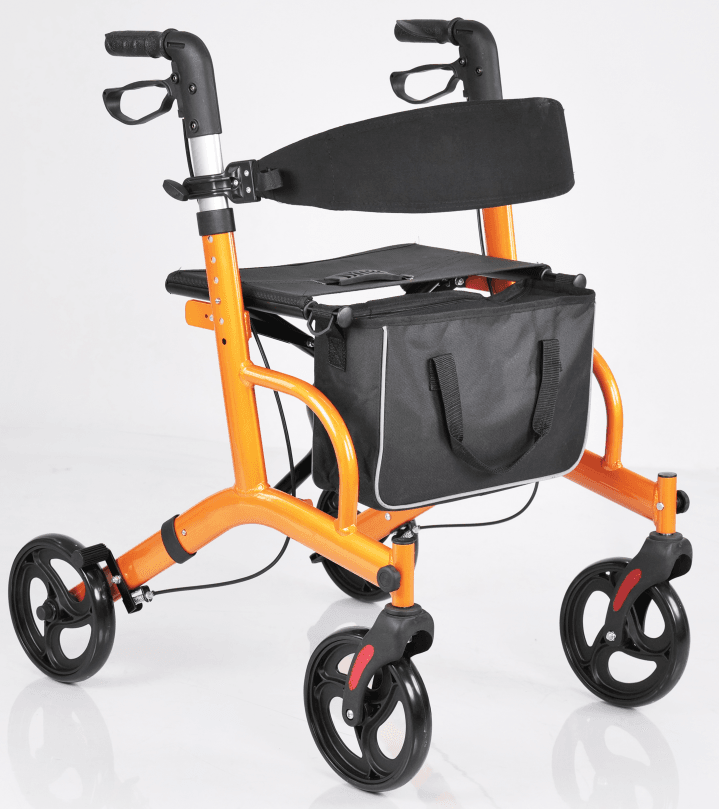
Ergonomics is often at the top of feature lists. An adjustable frame height, comfortable grips, and appropriate wheel size all contribute to user comfort. When users feel stable, supported, and able to adjust to their body size, they are more likely to trust and consistently use the product. From a product manager’s point of view, ergonomics reduces return rates, customer complaints, and improves long-term satisfaction. This is one reason why the design of a rollator so important for confidence — because ergonomic mistakes lead to safety risks and reduced adoption.
Materials, Durability, and Aesthetics
The choice of materials influences durability, weight, maintenance, and overall user perception. Lightweight aluminium or strong corrosion‑resistant steels can make a rollator easier to maneuver, particularly indoors or over uneven terrain. Aesthetic elements—clean lines, modern finishes, attractive colors—also impact a user’s dignity and pride, which in turn affect psychological confidence. For medical procurement, a robust product that looks professional reduces perceived liability and increases acceptance by users and institutions. That is another dimension showing why the design of a rollator so important for confidence, not only among end users but across the procurement chain.
Safety, Stability and Regulatory Compliance
Safety features like reliable brakes, stability under load, tipping resistance, and compliance with safety standards are non‑negotiable. For supply chain managers, ensuring rollators meet or exceed regulatory standards (e.g., user weight limits, material safety, environmental durability, etc.) helps avoid recalls, legal costs, and reputational harm. A design that fails in these aspects undermines user confidence immediately. When procurement teams assess bids, designs that clearly demonstrate compliance, clear safety margins, and stability are preferred. This underscores why the design of a rollator so important for confidence in both user adoption and procurement approval.
Usability, Maintenance, and Lifecycle Costs
Ease of maintenance, availability of spare parts, modularity for repairs, and simplicity of cleaning or sanitization influence total cost of ownership. For institutional purchasers (hospitals, senior care facilities), lifecycle costs matter as much as upfront price. Rollators that are easy to service, with replaceable parts and minimal downtime, build confidence in long‑term value. For product managers, planning for these factors early in design reduces risk and supports smoother supply chain logistics.
Conclusion
In summary, for stakeholders like product managers, procurement professionals, and supply chain managers, the features of ergonomics, materials, safety, compliance, and maintenance are not optional extras— they are central to whether a mobility aid is accepted, trusted, and used effectively. When evaluating rollator designs, always ask: Does this design promote safety? Does it enhance dignity and aesthetics? Does it allow for easy adjustments and maintenance? That cumulative trust is built through design. Understanding these factors is why the design of a rollator so important for confidence among users and professionals alike.



