





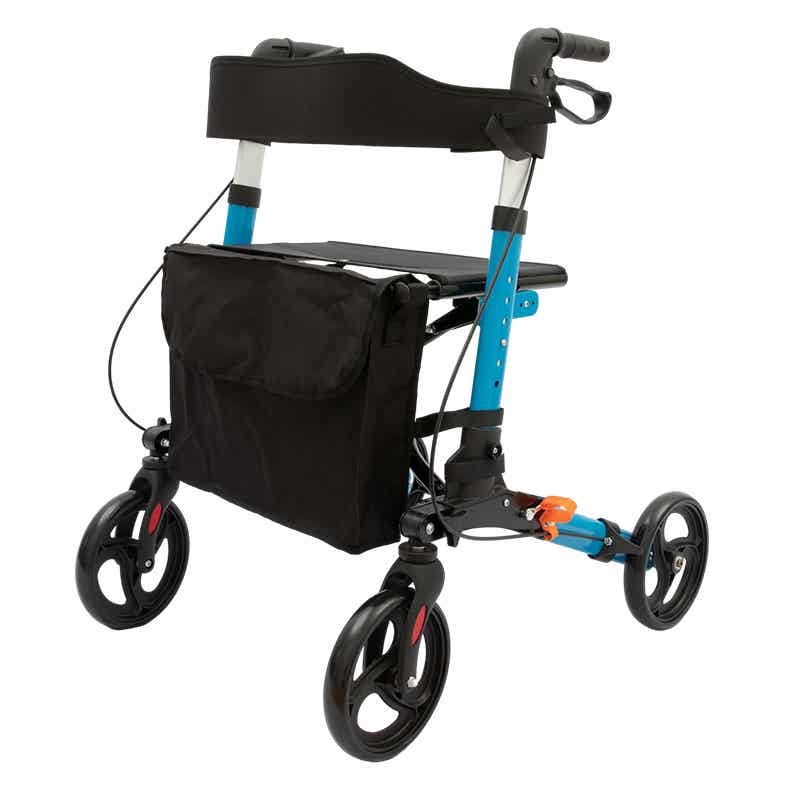
How Rollator Design Details Shape Long‑Term User Satisfaction and Loyalty

When users choose a rollator, their decision often depends not only on immediate comfort but on how the product performs over months and years. Product managers and procurement leads must understand how design details impact that long‑term satisfaction and repeat use. So it’s worth asking: Why do designers spend so much time on the details of a rollator? Because these details are the foundation of reliability, comfort, and user trust—elements that foster loyalty.
1. First Month Experience Sets the Tone
The early experience is critical. How easily the rollator folds, how smooth the handles are, how stable it feels during walks—all these things create an impression. If things squeak, feel unstable, or the finish is rough, users might lose confidence quickly. Designers spend so much time on the details of a rollator because initial impressions affect whether someone will continue using it, recommend it, or return it.
2. Durability, Wear & Tear Over Time
Over months of use, wear becomes obvious—wheels degrade, brakes loosen, handles wear down, folds lose tightness. Poor detail design accelerates this deterioration: cheap fasteners corrode, joints misalign, finishes chip. Thoughtful design upfront—quality joint design, corrosion‑resistant materials, robust finishes—helps delay those issues significantly. For procurement, this means fewer replacements, fewer service calls, and higher customer retention.
3. Usability and Comfort with Repetitive Use
Many users rely on rollators daily or multiple times per week. Comfort over long walks, ease of grip fatigue, handle height, noise during rolling, stability on uneven terrain—all of these are details. If parts vibrate, if folding mechanisms are hard to engage, or if grips are rough, satisfaction drops. That is why designers spend so much time on the details of a rollator: continuous use reveals what generic design overlooked.
4. Maintenance, Repairability, and Spare Parts
Good design makes maintenance easier. Accessible bolts, standardized parts, clear instruction points, durable finishes, and reliable folding joints reduce the need for service. When spare parts are easy to source and replace, users feel supported. These details matter to long‑term trust and loyalty. Product managers need to oversee that suppliers provide good spare‑part availability and quality, as those details influence lifetime satisfaction.
5. Emotional Affinity and Brand Trust
Beyond function, users develop an emotional relationship with their rollator—a tool they depend on. Small design details like consistency in finish, signature colors, smooth folding, well‑fitting parts, absence of rattles—all contribute to that trust. When users feel something is well made, they feel confident. That confidence leads to recommendations, loyalty, and willingness to pay for upgrades. Understanding Why do designers spend so much time on the details of a rollator? helps product teams prioritize features that matter most in building lasting positive perception.
6. Conclusion
Long‑term satisfaction and loyalty are not accidents—they result from careful attention to small design details that endure over time. For product managers and procurement teams, recognizing which details affect use, durability, comfort, maintenance, and emotion is vital. Designers spend time on these details because they directly impact whether a rollator becomes trusted, dependable, and loved—qualities that drive repeat business and strong word‑of‑mouth. Prioritizing such design detail is an investment not just in product, but in reputation and customer loyalty.



