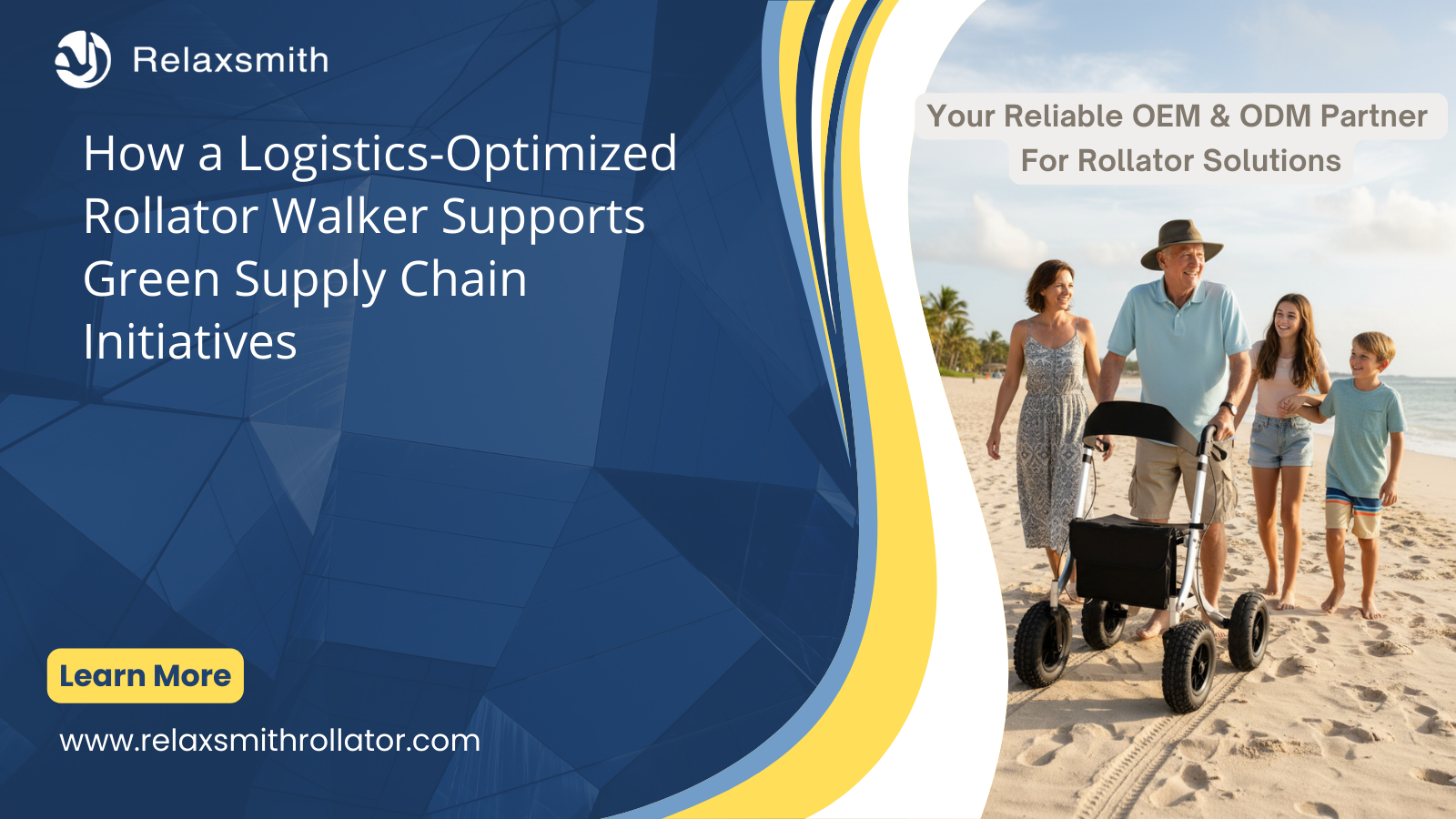
How a Logistics-Optimized Rollator Walker Supports Green Supply Chain Initiatives
As sustainability becomes a key procurement criterion in healthcare, supply chain managers are searching for solutions that lower environmental impact without compromising quality or efficiency. The logistics-optimized rollator walker stands out as a product that aligns with green supply chain initiatives. This article examines how these devices can drive sustainability in global healthcare procurement.
Sustainable Product Design
Many logistics-optimized rollator walkers are manufactured using recyclable materials such as lightweight aluminum and high-durability polymers. Modular components not only extend product life but also reduce waste by allowing for targeted repairs instead of full replacements. Sustainable material sourcing and responsible manufacturing practices further enhance a rollator walker's environmental profile.
Eco-Efficient Packaging and Logistics
Green supply chains demand more than just sustainable products—they require thoughtful logistics as well. Logistics-optimized rollator walkers are designed for flat-pack shipping, minimizing packaging materials and maximizing container utilization. These efficiencies result in lower transportation emissions and reduced carbon footprint per unit delivered.
Circular Economy and End-of-Life Solutions
Forward-thinking suppliers now offer take-back programs and end-of-life recycling for logistics-optimized rollator walker units. Institutional buyers should prioritize suppliers committed to closed-loop systems, ensuring that old or damaged walkers are recycled or refurbished, further supporting circular supply chain models.
Procurement Policies and Green Certifications
Many procurement teams are updating RFPs to require green certifications—such as ISO 14001 or Energy Star—when sourcing rollator walkers. Third-party audits and lifecycle analyses provide transparency and help validate a supplier’s environmental claims. Supply chain managers should request documentation and prioritize suppliers with robust sustainability programs.
Stakeholder Engagement and Reporting
Collaboration across departments—procurement, sustainability, logistics, and clinical teams—ensures alignment with organizational green goals. Suppliers who provide environmental impact reporting and ongoing sustainability training help healthcare institutions meet regulatory requirements and communicate progress to stakeholders.
Summary
Choosing a logistics-optimized rollator walker is more than a cost or operational decision—it's a statement of environmental responsibility. By prioritizing green design, efficient logistics, and end-of-life management, institutional buyers can deliver superior value while advancing sustainability across the supply chain.
SEO Keywords
| logistics-optimized rollator walker | green supply chain walker |
| sustainable procurement rollator | eco-efficient logistics mobility aid |
| circular economy walker | recyclable material rollator |
| modular component walker | end-of-life recycling rollator |
| take-back program mobility aid | carbon footprint reduction walker |
| flat-pack shipping rollator | ISO 14001 certification walker |
| lifecycle analysis rollator | energy efficient walker |
| green RFP procurement | sustainable packaging mobility aid |
| third-party audit walker | environmental impact reporting |
| stakeholder engagement procurement | sustainability training walker |
| responsible sourcing rollator | closed-loop supply chain walker |
| environmental certification walker | supplier sustainability program |
| transportation emissions reduction | container utilization walker |
| product refurbishment mobility aid | green healthcare procurement |
| regulatory compliance sustainability | institutional green initiative walker |
Tags
| green supply chain | sustainability |
| recyclable material | circular economy |
| eco-efficient | modular component |
| end-of-life recycling | take-back program |
| carbon footprint | ISO 14001 |
| energy efficient | third-party audit |
| stakeholder engagement | sustainable packaging |
| lifecycle analysis | environmental reporting |
| supplier sustainability | responsible sourcing |
| institutional procurement | green initiative |
For more details, please visit: www.relaxsmithrollator.com