





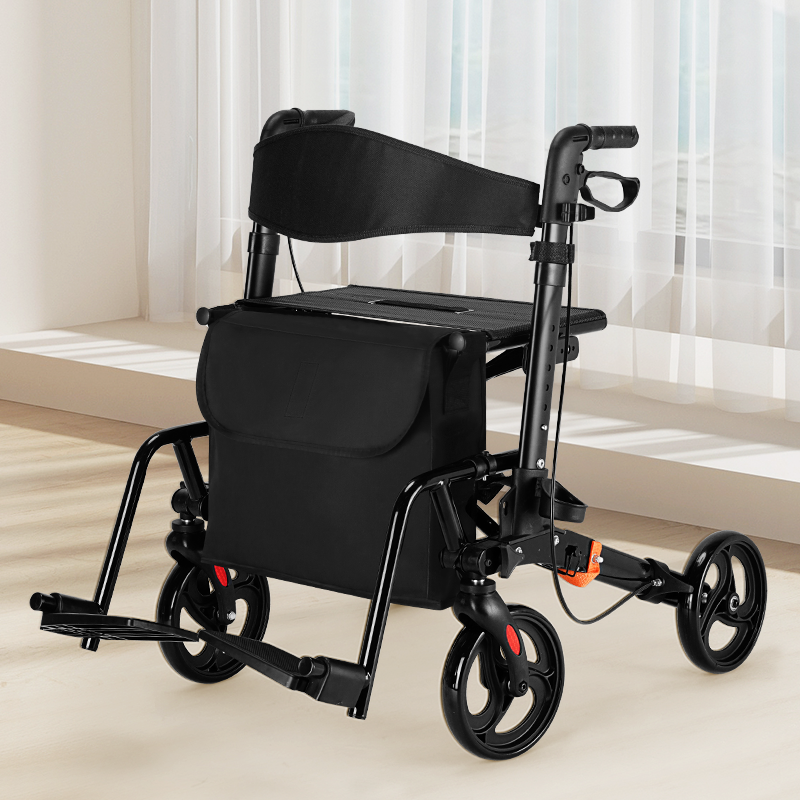
Implementing Compliance & Quality Assurance in a Rollator Order Trust Guarantee System
Compliance and quality assurance are the backbone of any successful rollator order trust guarantee system. By embedding rigorous standards and systematic controls throughout the procurement process, procurement managers can drastically reduce risk and uncertainty. This article outlines step-by-step approaches to establish an effective compliance and quality assurance framework for the mobility sector.
1. Defining Compliance Requirements for Rollator Procurement
Clear compliance guidelines set expectations for both buyers and suppliers. In the rollator industry, these guidelines cover international safety certifications, country-specific import/export regulations, and company-specific codes of conduct. Aligning all stakeholders with these requirements is the first step toward a trustworthy procurement process.
2. Structuring a Robust Quality Assurance Program
Quality assurance (QA) is a continuous process. A strong rollator order trust guarantee system includes:
Pre-qualification Audits: Evaluate new suppliers with stringent audits before order approval.
Batch Inspection Protocols: Perform detailed checks for every rollator shipment, documenting results digitally for easy traceability.
Non-Conformity Management: Rapidly address quality issues through transparent reporting and corrective action workflows.
3. Leveraging Digital Compliance Tools
Modern compliance and QA tools offer digital document management, automated alerts, and workflow tracking. These tools provide procurement professionals with real-time visibility into supplier compliance, expediting issue resolution and reinforcing the rollator order trust guarantee.
4. Training and Communication for Continuous Improvement
Staff training and regular communication between procurement and quality teams are critical. Investing in compliance training and open dialogue builds a culture of accountability and minimizes the risk of non-compliance. This cultural alignment is a core pillar of any lasting trust guarantee system.
5. Auditing and Continuous Improvement Mechanisms
Periodic audits and process reviews allow organizations to identify gaps and implement improvements. By continually refining the compliance and QA framework, procurement managers can ensure the long-term resilience and reliability of their rollator order trust guarantee system.
Implementing a robust compliance and quality assurance program not only builds supplier trust, but also empowers procurement managers to confidently address challenges and deliver consistent results. Next, we’ll discuss effective communication strategies to support transparency and trust in the rollator order process.
For more details, please visit: www.relaxsmithrollator.com



