





Implementing Robust Risk Management in Clinical Compliance Rollator Development
1. Identifying and Assessing Clinical Risks
Product managers are responsible for the early identification and systematic assessment of all clinical risks associated with rollator use. This involves reviewing historical incident reports, consulting clinical experts, and mapping out risk scenarios for every component, from frame joints to braking mechanisms.
Incorporating the clinical compliance rollator requirements into risk matrices is essential to prioritize and mitigate high-risk issues that could compromise user safety or regulatory approval.
2. Integrating Risk Controls into Product Design
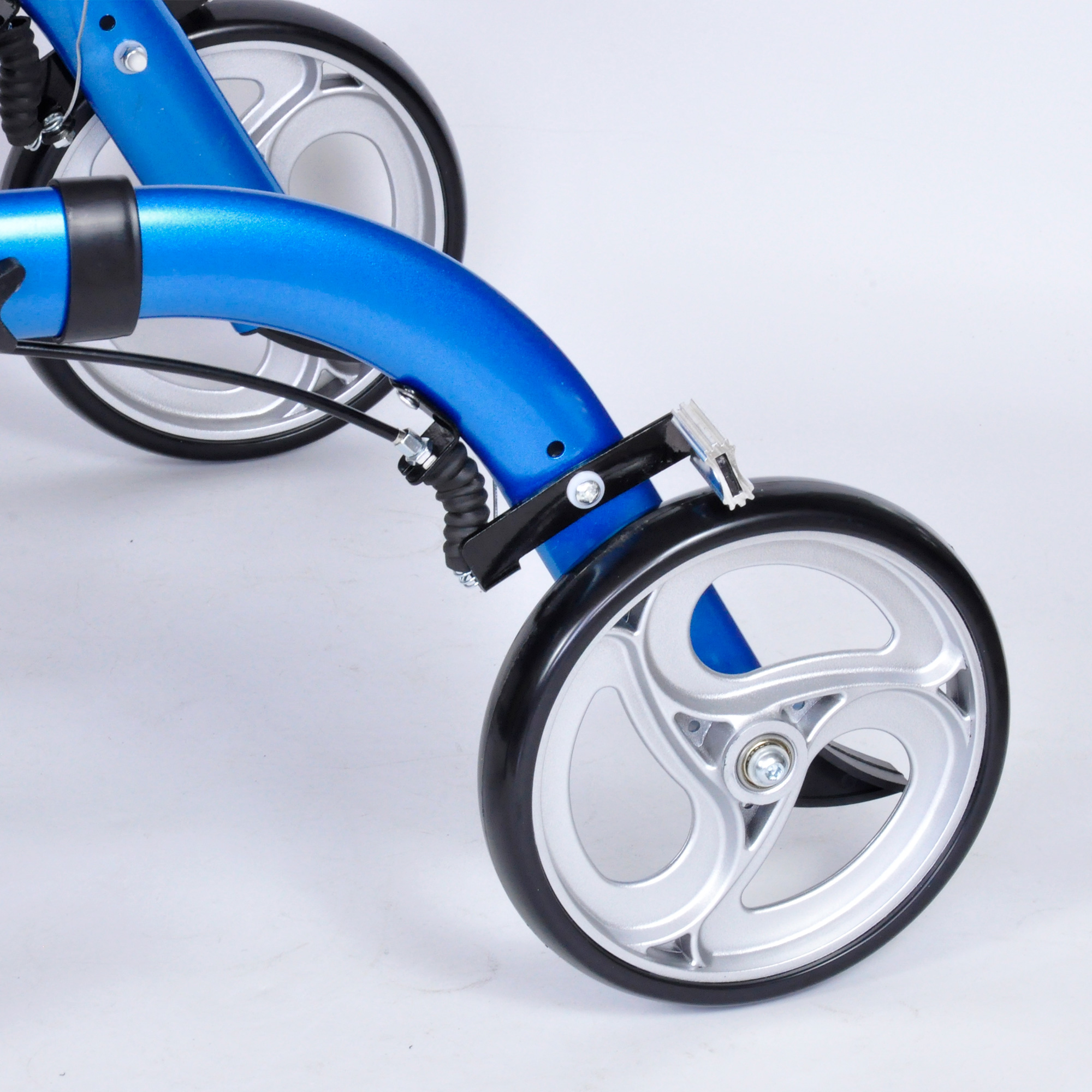
Once risks are identified, product teams should design out hazards whenever possible. This can be achieved by specifying safety margins for key rollator components, using clinical compliance rollator standards as the benchmark for all design decisions. Risk controls may include redundant braking systems, anti-tip features, and enhanced visibility elements.
3. Verification and Validation Strategies
Effective risk management demands thorough verification and validation (V&V) testing. Testing protocols should reflect real-world use cases, including user error scenarios. Clinical compliance rollator validation often involves simulated aging tests, dynamic load testing, and field trials with representative users to ensure risk controls are adequate.
4. Documentation and Traceability
Maintaining comprehensive risk management files is critical. All identified risks, mitigation strategies, and testing results must be documented and traceable. Clinical compliance rollator projects should leverage digital documentation tools to provide transparent audit trails for regulatory bodies.
5. Continuous Improvement and Feedback Loops
Risk management does not end at launch. Implementing continuous feedback mechanisms—such as analyzing adverse event reports, warranty claims, and customer surveys—enables ongoing clinical compliance rollator improvements. These feedback loops should inform both current and future product revisions, reducing long-term risk exposure.



