





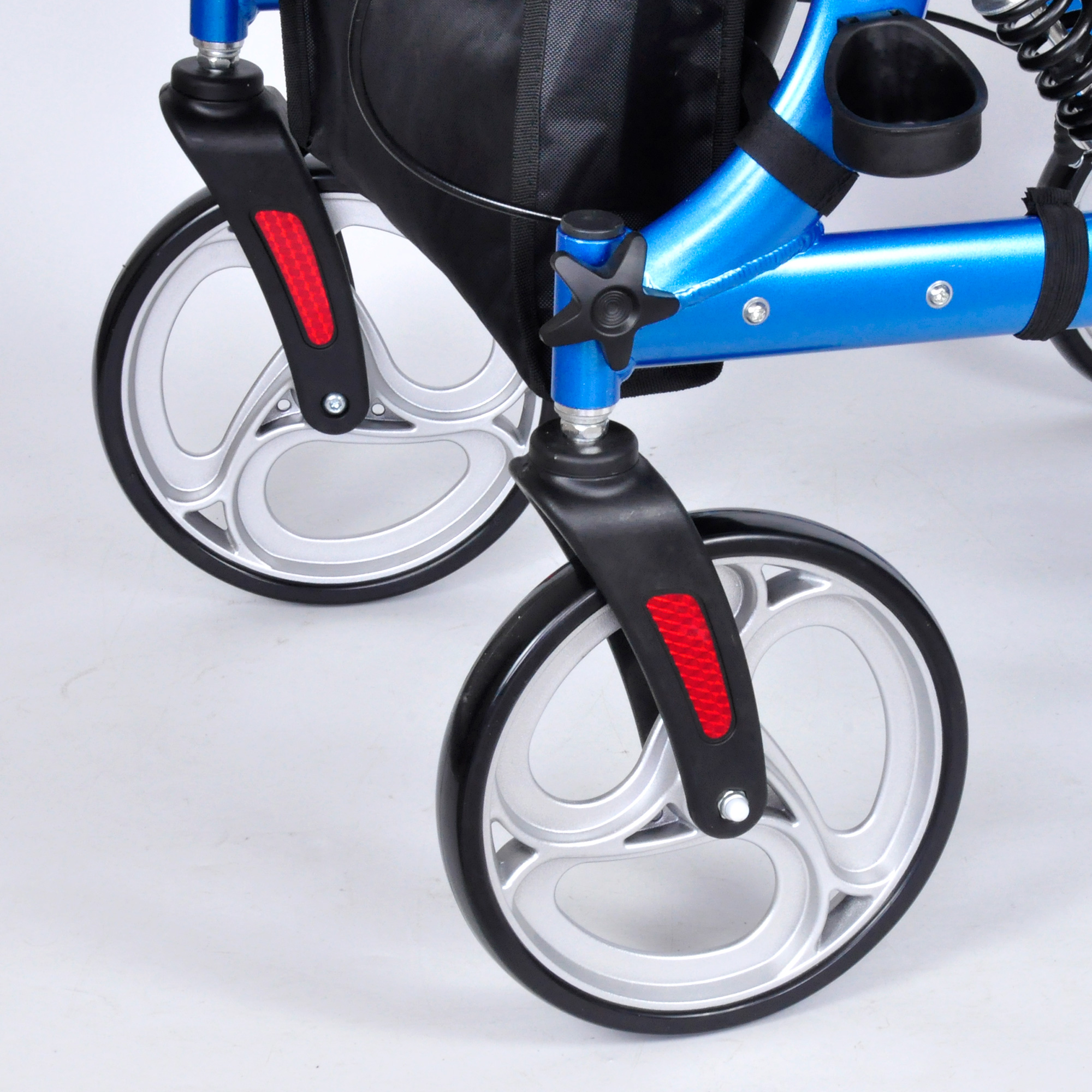
Improving Rollator Package Delivery Efficiency for Large Healthcare Networks
_fcwewl.jpg)
Rollator package delivery efficiency is a critical KPI for logistics and supply chain managers in multi-site healthcare organizations. With growing patient demand, regulatory scrutiny, and budget pressures, optimizing package delivery—from supplier dock to clinical floor—unlocks major value. This tactical playbook details best practices for driving efficiency, cutting costs, and minimizing delivery errors in large healthcare networks.
1. Mapping the Delivery Process and Identifying Bottlenecks
Start by mapping the current delivery process, including suppliers, logistics providers, warehouses, and last-mile delivery to individual care sites. Bottlenecks may include:
Complex routing for multi-site deliveries
Poor packaging that increases breakage or loss
Manual handoffs that cause delivery delays
2. Routing Optimization for Multi-Site Healthcare Networks
Leverage advanced route planning software to consolidate deliveries, minimize travel time, and improve resource utilization. Collaborate with logistics providers to synchronize delivery windows with clinical schedules.
Adopt dynamic route optimization technology
Schedule delivery batches for high-usage sites
Monitor route performance using GPS tracking
3. Packaging Innovations for Damage Reduction
Standardize packaging materials and methods to protect rollators during transit. Implement tamper-evident seals, damage-resistant cartons, and standardized labeling for traceability and quick receiving.
Invest in custom-fit, protective packaging
Conduct regular damage audits
Train staff on best practices for unboxing and returns
4. Stakeholder Coordination and Communication
Engage internal stakeholders, such as procurement, receiving, and clinical staff, in continuous process improvement. Use real-time dashboards to keep all parties informed and accountable.
Establish communication protocols for delivery updates
Assign delivery liaisons at each care site
Host regular delivery performance review meetings
5. Measuring and Improving Delivery KPIs
Track on-time delivery rates, damage rates, and total delivery cost
Benchmark performance against peer networks
Use data analytics for root-cause analysis and continuous improvement
Conclusion: Building a High-Performance Delivery Network
Optimizing rollator package delivery efficiency requires end-to-end process visibility, technology adoption, and close collaboration with stakeholders. By following these strategies, healthcare networks can deliver more value, reduce risk, and improve patient care outcomes.
For more details, please visit: www.relaxsmithrollator.com



