





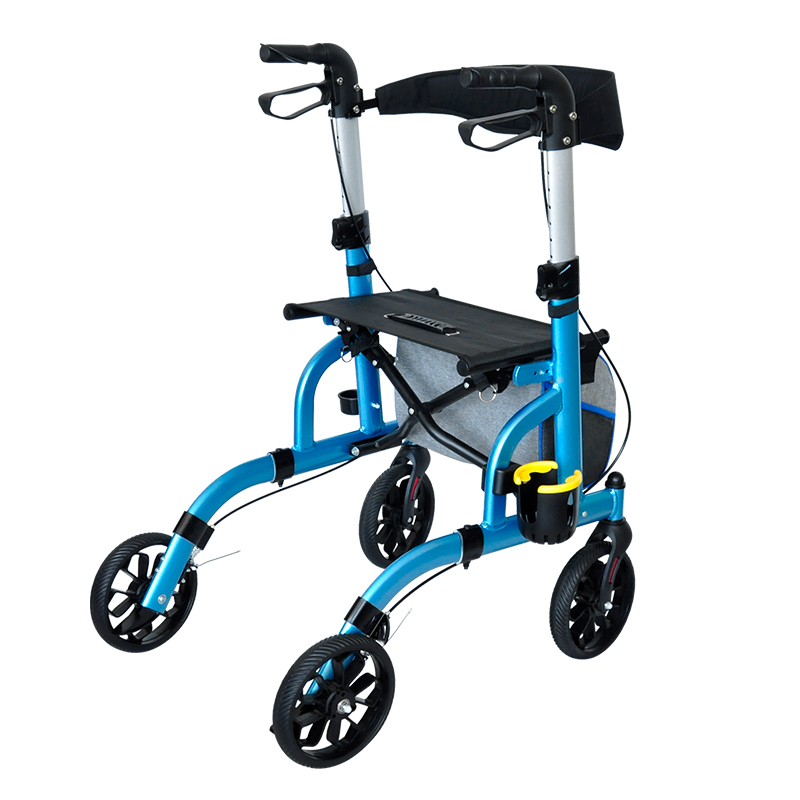
Innovation Insights: How Padded Seats and Shock-Absorbing Wheels Improve Clinical Outcomes
In the evolving landscape of healthcare mobility equipment, Innovation in Walker Design: Why Padded Seats and Shock-Absorbing Wheels Matter is more than a product trend—it’s a driver of real clinical benefits. For product managers, procurement teams, and clinical leaders, understanding the science and strategy behind these innovations is essential for achieving better patient comfort, safety, and measurable outcomes.
1. The Science of Pressure Relief and Comfort
Padded seats distribute weight more evenly and reduce localized pressure, minimizing the risk of skin breakdown and increasing user comfort during prolonged use. Hospitals report higher patient satisfaction and longer periods of safe use when padded seats are standard.
Review clinical studies on pressure mapping and ergonomic seating
Track rates of pressure ulcer incidence in patient populations
Survey user comfort and satisfaction post-implementation
2. Shock-Absorbing Wheels: Reducing Vibration and Injury Risk
Shock-absorbing wheels are engineered to dampen surface vibration, preventing discomfort, muscle fatigue, and repetitive stress injuries. They are especially valuable in institutional settings with varied floor types or outdoor use.
Evaluate mechanical testing data on vibration reduction
Monitor user-reported outcomes for joint pain and mobility ease
Compare maintenance costs and wheel durability across models
3. Procurement Considerations and ROI Analysis
While innovative features may increase upfront costs, the return on investment (ROI) is clear: fewer injuries, reduced need for replacement equipment, and improved staff and patient morale. Cost-benefit analysis should include direct savings and indirect value.
Request case studies from vendors
Project cost savings from injury reduction and equipment longevity
Integrate total value analysis in procurement decision-making
4. Supplier Partnerships for Continuous Innovation
Collaborating with suppliers who prioritize R&D and continuous improvement ensures access to the latest mobility solutions. Establish pilot programs to test new features and gather real-world clinical feedback before large-scale rollouts.
Negotiate pilot agreements with leading vendors
Establish innovation feedback loops with clinical staff
Benchmark supplier innovation against industry peers
5. Implementation Strategies for Healthcare Networks
Train staff on the benefits and use of new features
Roll out upgrades in phases to gather outcome data
Monitor satisfaction, safety, and ROI through regular audits
Conclusion: Designing for Better Patient Outcomes
For healthcare procurement, Innovation in Walker Design: Why Padded Seats and Shock-Absorbing Wheels Matter is about delivering quantifiable value. These features should be considered essential components in any forward-thinking mobility equipment portfolio.
For more details, please visit: www.relaxsmithrollator.com



