





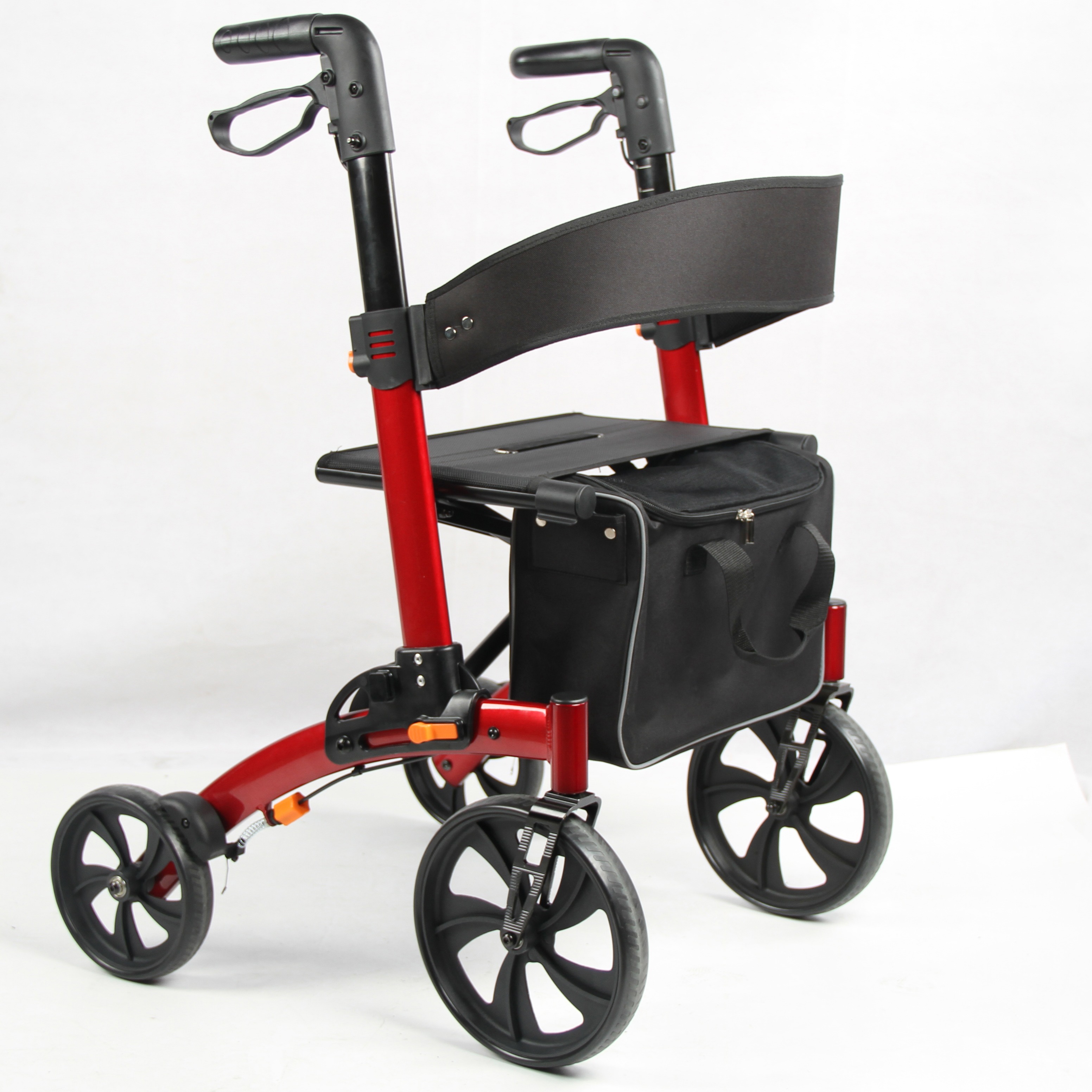
Is Bulk Procurement of Mobility Aids Really the Key to Healthcare Value?
For Product Managers, Procurement Managers, and Supply Chain Professionals
Healthcare procurement teams are often encouraged to maximize value by purchasing mobility aids in bulk. But does bulk procurement mobility aids always deliver the expected benefits, or are there pitfalls that decision-makers must anticipate?
The Advantages of Bulk Procurement
Economies of Scale: Larger orders can unlock price discounts, improved shipping rates, and value-added services.
Streamlined Negotiations: Suppliers are more willing to offer favorable terms on high-volume contracts.
Consistency in Supply: Reduces the risk of stockouts, especially for high-use mobility aids.
Potential Risks and How to Avoid Them
Inventory Costs: Holding excess stock may tie up capital and lead to waste if clinical needs shift.
Quality Variability: Ensure suppliers maintain standards throughout large production runs.
Storage and Logistics: Bulk deliveries require adequate warehousing and efficient internal distribution.
Best Practices for Procurement Teams
Conduct rigorous demand forecasting and usage analysis before placing bulk orders.
Negotiate flexible contract terms, including options for phased delivery or returns.
Establish robust quality control protocols and continuous supplier performance review.
By following these practices, healthcare organizations can maximize the benefits and mitigate the risks associated with bulk procurement mobility aids.
Conclusion
Bulk procurement is a powerful tool for driving value in mobility aid sourcing—but only when paired with careful planning, stakeholder engagement, and vigilant quality management. Leaders must weigh both benefits and risks to achieve true healthcare value.
For more details, please visit: https://smartelderlycare.com/
bulk procurement mobility aids, Bulk Purchasing Benefits, Healthcare Procurement Risks, Mobility Aid Forecasting, Contract Negotiation, Inventory Cost Control



