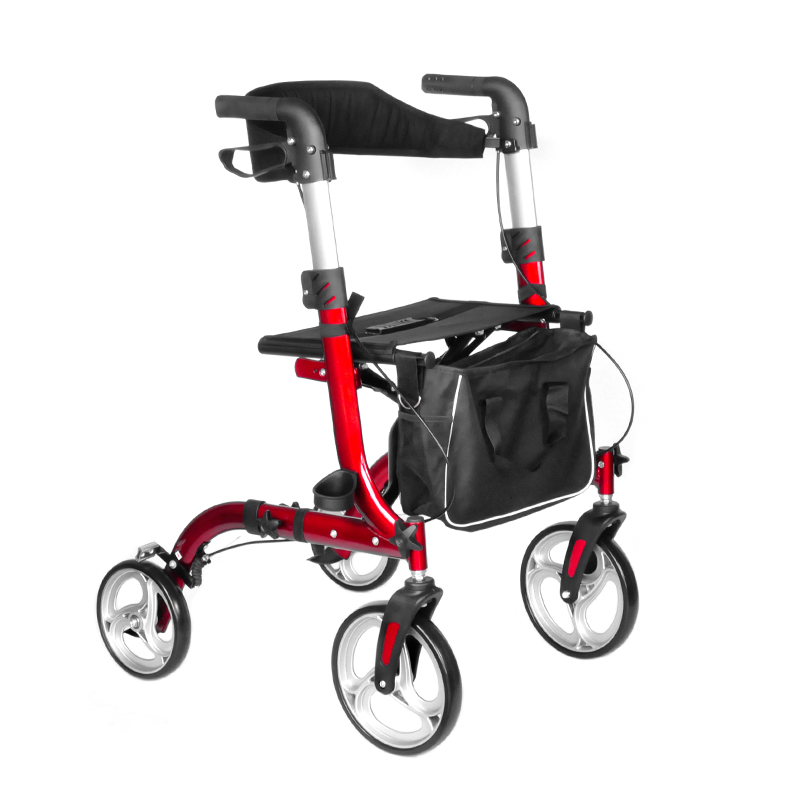
Key Factors Influencing Procurement ROI for Flexible Walkers
Understanding which factors most influence procurement ROI is crucial when evaluating flexible walkers for your organization. For product managers, procurement professionals, and supply chain leaders, maximizing ROI not only impacts budgetary outcomes but also affects product quality, user satisfaction, and organizational competitiveness. This article provides a comprehensive exploration of what matters most for procurement ROI in the flexible walker sector.
1. Supplier Reliability and Performance Metrics
The foundation of procurement ROI lies in selecting reliable suppliers for flexible walkers. Evaluate track records, on-time delivery rates, incident history, and the ability to scale. A proven supplier reduces risk and lowers hidden costs.
2. Total Cost of Ownership (TCO)
Go beyond initial price to assess long-term costs, including shipping, maintenance, warranty claims, and end-of-life disposal for flexible walkers. A holistic view of TCO allows for smarter procurement decisions that boost ROI.
3. Product Quality and User Satisfaction
Quality directly influences ROI. High-quality flexible walkers minimize returns, enhance user satisfaction, and increase the likelihood of repeat purchases. Implement standardized product inspections and user feedback loops.
4. Compliance, Risk, and Sustainability
Procurement ROI flexible walker evaluation must include compliance checks, risk analysis, and sustainability assessments. Suppliers who meet regulatory requirements and demonstrate eco-friendly practices reduce long-term liabilities.
5. Strategic Supplier Relationships
Collaborative supplier partnerships foster innovation, process improvements, and preferential pricing—all of which positively impact procurement ROI for flexible walkers. Engage in regular performance reviews and open dialogue to optimize outcomes.
Conclusion
Procurement ROI for flexible walkers depends on a blend of supplier performance, total cost, quality, compliance, and strategic relationships. By focusing on these core drivers, organizations can make procurement decisions that deliver sustainable value and competitive advantage.
For more details, please visit: https://smartelderlycare.com/
Tags: Procurement ROI flexible walker, Supplier reliability, Product quality, Total cost of ownership, Compliance, Sustainability, Supplier partnership, Performance review, Risk assessment, User satisfaction
SEO Keywords: Procurement ROI flexible walker, Flexible walker supplier performance, Flexible walker total cost, Procurement risk flexible walker, Flexible walker product quality, Supplier partnership flexible walker, Flexible walker compliance, User satisfaction flexible walker, Warranty management walker, Supplier innovation walker, Flexible walker sustainability, Performance metrics procurement, Procurement best practices walker, Flexible walker cost analysis, Supplier review flexible walker, Flexible walker TCO, Quality inspection walker, Procurement strategy walker, Flexible walker market trends, Strategic supplier relationship walker, Procurement efficiency walker, Flexible walker purchase value, Procurement ROI analysis, Supplier risk mitigation walker, Flexible walker lifecycle cost, Procurement assessment flexible walker, Sustainable procurement walker, Flexible walker disposal cost, Compliance management walker, Flexible walker warranty, Flexible walker contract negotiation, Supply chain efficiency walker, Procurement value creation, Supplier trust flexible walker, Flexible walker performance review, Procurement ROI calculation, Flexible walker logistics, Procurement long-term value, Flexible walker budget optimization, Procurement competitive advantage, Flexible walker feedback