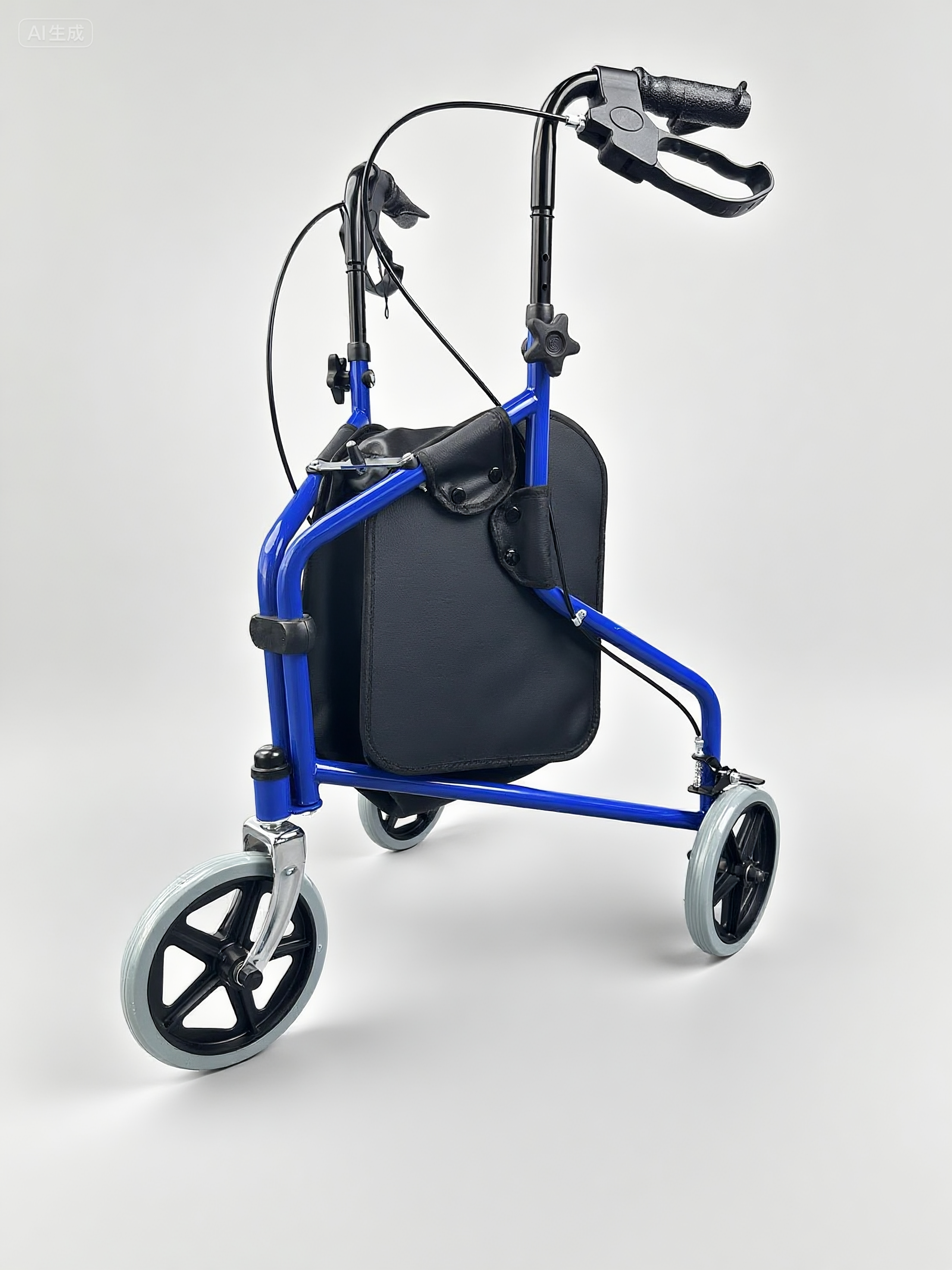
Key Metrics and KPIs for Rollator Procurement Efficiency
Key Metrics and KPIs for Rollator Procurement Efficiency
Summary:
This in-depth guide explores the most effective metrics and KPIs for evaluating and improving procurement efficiency in rollator sourcing. Tailored for product managers and supply chain professionals, it provides actionable KPI lists, benchmarking advice, and practical strategies for ongoing performance management.
1. Why Metrics Matter in Rollator Procurement
Measuring procurement efficiency for rollators enables data-driven decision-making, justifies investments, and reveals areas for process improvement. KPIs align teams, set clear targets, and provide early warnings when workflows or suppliers underperform.
- Enable fact-based discussions with stakeholders and suppliers.
- Track progress against strategic procurement goals.
- Support compliance, cost control, and quality assurance initiatives.
2. Core Procurement KPIs for Rollator Purchasing
- Order Cycle Time: Days from requisition to delivery.
- Cost per Order: Total procurement spend divided by number of orders.
- Supplier On-Time Delivery Rate: % of orders delivered on or before promise date.
- Order Accuracy: % of orders received with no errors or discrepancies.
- Contract Compliance Rate: % of orders placed within agreed contract terms.
- Inventory Turnover: Number of times inventory is replaced within a given period.
- Quality Defect Rate: % of rollators rejected or returned for quality issues.
- Supplier Lead Time: Average time from order placement to shipment.
- Procurement Spend Variance: Difference between forecast and actual spend.
- Process Automation Rate: % of procurement steps handled digitally.
3. Advanced Metrics and Analytics
- Supplier Scorecard: Multi-dimensional view of supplier quality, reliability, cost, and innovation.
- Spend Under Management: % of total spend managed by procurement team/processes.
- Compliance Rate: Adherence to procurement policies, processes, and regulatory requirements.
- Risk Incidents: Number and severity of procurement-related risk events.
- Time to Resolution: Average time to resolve procurement issues or disputes.
Use dashboards and data visualization tools for real-time tracking and deeper insights.
4. KPI Benchmarking and Continuous Improvement
- Establish internal baselines and compare to industry best practices.
- Review KPIs regularly in cross-functional meetings.
- Set SMART (Specific, Measurable, Achievable, Relevant, Time-bound) targets for each metric.
- Share KPI results transparently with stakeholders and suppliers.
- Document and implement corrective actions for underperforming areas.
Continuous measurement and benchmarking drive a cycle of improvement, accountability, and innovation.
5. Case Study: Leveraging KPIs to Boost Rollator Procurement Performance
A regional supply chain team adopted a new KPI dashboard, resulting in:
- 15% reduction in order cycle time
- 25% improvement in supplier on-time delivery
- 10% decrease in cost per order
- Higher stakeholder satisfaction and regulatory compliance scores
Clear metrics and transparent reporting were the keys to lasting change.
SEO Keywords (40):
procurement efficiency rollators, Key Metrics and KPIs for Rollator Procurement Efficiency, procurement metrics, rollator purchasing, supply chain KPIs, performance measurement, purchasing analytics, healthcare procurement, procurement dashboard, product manager, supply chain manager, vendor scorecard, cost per order, order cycle time, supplier performance, quality assurance, inventory turnover, on-time delivery, compliance rate, data-driven procurement, KPI benchmarking, contract compliance, spend analysis, process improvement, workflow metrics, procurement reporting, strategic sourcing, digital procurement, performance analytics, best practices, procurement strategy, inventory accuracy, supplier lead time, risk management, purchasing efficiency, procurement goals, continuous improvement, data visualization, procurement audit, medical equipment KPIs, healthcare supply chain metrics
Tags (20):
procurement efficiency, rollators, procurement metrics, KPIs, supply chain, purchasing analytics, performance measurement, procurement dashboard, product manager, supply chain manager, vendor scorecard, order accuracy, inventory turnover, on-time delivery, data-driven, process improvement, healthcare procurement, benchmarking, continuous improvement, medical equipment
READ MORE: