





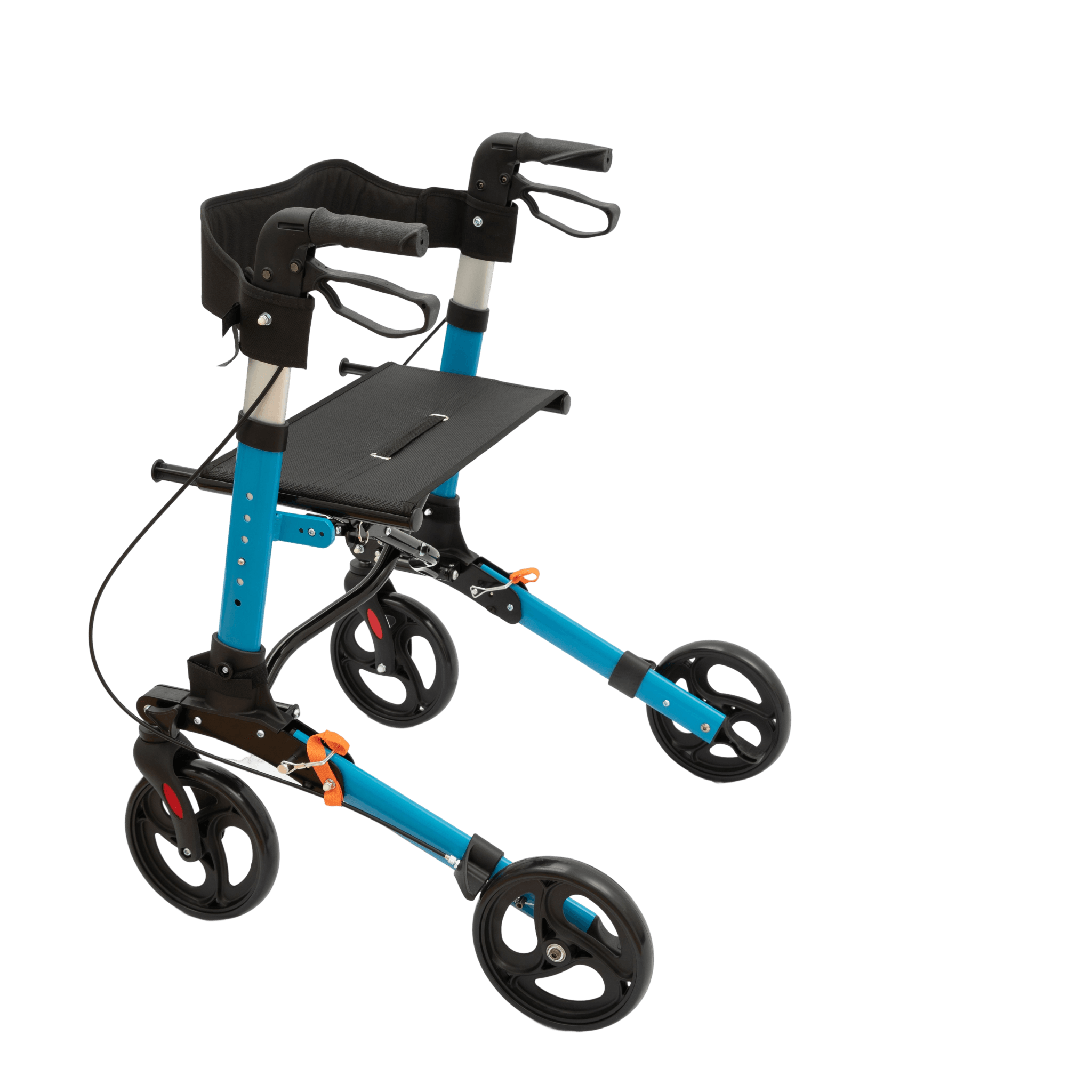
Key Red Flags When Sourcing Mobility Aids: Avoiding Unreliable Suppliers

The global mobility aids market is filled with opportunities—but also risks. For product managers and supply chain professionals, detecting unreliable suppliers is just as critical as finding good ones. Understanding what makes a reliable mobility aid supplier? Key vetting criteria is fundamental to avoiding costly procurement mistakes and protecting your organization’s brand and users.
1. Lack of Certifications and Regulatory Documentation
If a supplier hesitates or delays in providing ISO 13485, CE, or FDA certifications, it’s a major warning sign. Reliable suppliers always have updated, verifiable regulatory documents ready for review. Any ambiguity here should prompt you to seek alternatives.
2. Inconsistent Communication and Delayed Responses
Timely, clear, and proactive communication is a hallmark of trustworthy partners. Suppliers who are slow to reply, vague in their answers, or provide incomplete information are unlikely to meet the high standards needed in medical device supply chains.
3. No Transparent Quality Control Processes
A supplier unwilling or unable to share their quality inspection protocols, batch records, or testing procedures likely lacks robust internal controls. This is contrary to what makes a reliable mobility aid supplier? Key vetting criteria—which require evidence of continuous quality monitoring and traceability.
4. Overpromising and Unrealistic Guarantees
Be wary of suppliers making sweeping promises about delivery times, customization, or technical specs with little or no backup. Unreliable suppliers may try to win your business by saying yes to everything, only to under-deliver or disappear when issues arise.
5. Financial Instability or Shifting Business Focus
Frequent company name changes, shifting business addresses, or inconsistent bank account details are all red flags. Reliable mobility aid suppliers are financially stable and have a consistent track record in the industry.
6. Limited or Negative Customer References
A credible supplier will gladly share customer references or case studies. If references are not available—or you find consistently negative reviews—move on. Remember, what makes a reliable mobility aid supplier? Key vetting criteria always includes positive, verifiable feedback from other procurement professionals.
7. Poor After-Sales Support
After the contract is signed, does your supplier provide ongoing support, rapid problem-solving, and warranty services? Lack of post-sale communication or support often leads to hidden costs and frustrated end-users.
Conclusion
Avoiding unreliable suppliers is an essential risk management strategy. The best procurement teams don’t just look for the lowest cost, but systematically evaluate vendors against what makes a reliable mobility aid supplier? Key vetting criteria. By recognizing red flags early, you can ensure a resilient, high-quality supply chain for all your mobility aid needs.