



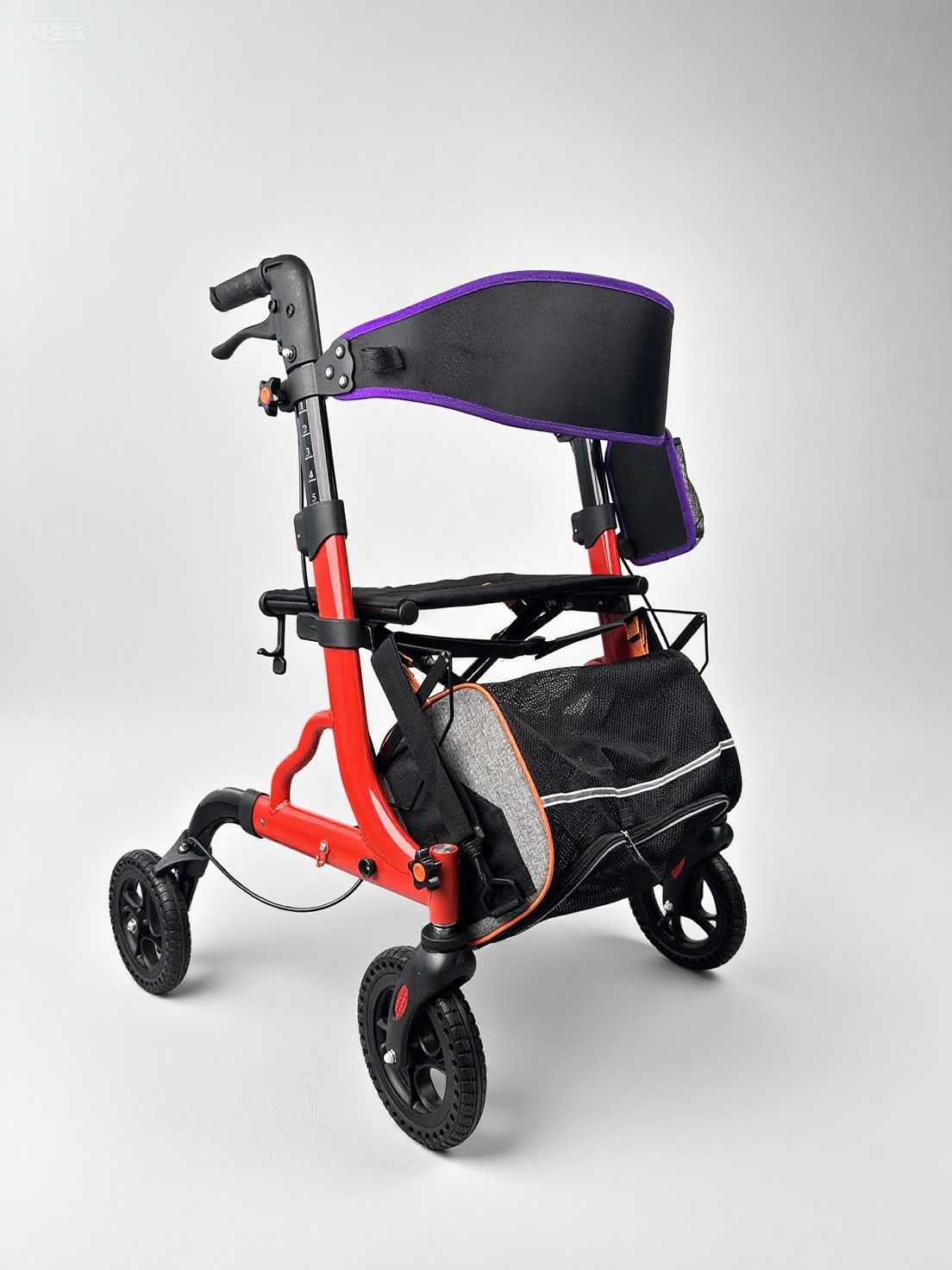
Logistics Optimization Strategies for Improving Rehabilitation Walker Delivery Efficiency
In healthcare systems, providing timely access to essential equipment such as rehabilitation walkers is vital for improving patient outcomes. Effective logistics play a central role in ensuring that walkers are available when and where they are needed. However, the transportation and distribution of these mobility aids can often present logistical challenges, including delays, high transportation costs, and issues with inventory management. To address these challenges, healthcare providers must adopt logistics optimization strategies to improve the delivery efficiency of rehabilitation walkers. In this article, we explore various strategies that healthcare organizations can implement to streamline logistics, reduce costs, and enhance the timely delivery of rehabilitation walkers to patients in need.
1. The Importance of Efficient Rehabilitation Walker Delivery
Rehabilitation walkers are crucial mobility aids used by patients recovering from surgery, injury, or those managing chronic conditions that impair movement. These devices allow patients to regain independence and improve mobility, which are key factors in enhancing recovery and quality of life.
However, delays in walker delivery can severely affect patient recovery timelines, leading to longer hospital stays, increased healthcare costs, and reduced patient satisfaction. As a result, ensuring efficient delivery is essential for healthcare providers to meet patient needs promptly and maintain high standards of care.
To optimize delivery processes, healthcare systems must focus on streamlining their supply chain and logistics operations, addressing common challenges such as inventory shortages, inefficient transportation, and complex delivery scheduling.
2. Key Challenges in Rehabilitation Walker Delivery
There are several challenges that healthcare organizations face when it comes to the logistics of delivering rehabilitation walkers:
Inventory Management: Inefficient inventory management can lead to stockouts, delays, or overstocking of walkers, which increases costs and waste. Healthcare systems must maintain a balance between demand and supply to ensure that walkers are available when needed.
Transportation Costs: Shipping rehabilitation walkers, especially in bulk or over long distances, can result in high transportation costs. These costs are particularly burdensome when transporting walkers to remote areas or rural healthcare facilities.
Delivery Delays: Delays in the delivery of walkers can hinder patient recovery and lead to dissatisfaction. Factors such as long lead times, unforeseen supply chain disruptions, and scheduling conflicts contribute to these delays.
Complex Supply Chains: The delivery of rehabilitation walkers often involves multiple suppliers, logistics providers, and healthcare departments. Coordinating these efforts efficiently is a significant challenge.
3. Logistics Optimization Strategies for Rehabilitation Walker Delivery
To address these challenges and improve rehabilitation walker delivery efficiency, healthcare organizations should implement a variety of logistics optimization strategies. These strategies aim to enhance speed, reduce costs, and ensure that walkers are available in a timely manner for patients who need them.
Efficient Inventory Management: One of the most effective ways to optimize logistics is by improving inventory management. Healthcare providers can implement inventory management systems that track walker stock levels in real time, predict demand, and automate ordering processes. By utilizing technologies such as RFID tags and barcode scanning, healthcare systems can monitor inventory more accurately, reduce stockouts, and ensure that walkers are readily available. Furthermore, adopting a just-in-time (JIT) inventory model can minimize the need for large stockpiles and reduce warehousing costs.
Consolidated Shipping: By consolidating shipments, healthcare organizations can reduce transportation costs and improve delivery efficiency. Consolidated shipping involves grouping orders from multiple healthcare facilities or locations into a single shipment. This reduces the number of individual shipments and ensures more efficient use of transportation resources. By partnering with third-party logistics providers, healthcare organizations can negotiate better shipping rates and improve overall shipping efficiency.
Last-Mile Delivery Optimization: Last-mile delivery is often the most expensive and time-consuming part of the supply chain. To optimize last-mile delivery for rehabilitation walkers, healthcare providers can implement route optimization software that analyzes traffic patterns, delivery time windows, and distance to identify the most efficient delivery routes. By optimizing delivery routes and schedules, organizations can reduce delivery times and costs while improving customer satisfaction.
Demand Forecasting: Effective demand forecasting allows healthcare providers to predict when and where rehabilitation walkers will be needed, enabling them to prepare in advance and avoid delivery delays. By using data analytics tools to analyze historical demand patterns, healthcare organizations can forecast demand more accurately and adjust inventory levels accordingly. This helps minimize stockouts and ensures timely delivery of walkers to patients.
Collaborative Supply Chain Management: Collaboration between healthcare organizations, suppliers, and logistics providers is essential to optimizing walker delivery. By developing strong partnerships with suppliers and third-party logistics providers, healthcare organizations can ensure smoother communication, faster response times, and more efficient scheduling. Collaborating on supply chain visibility allows all parties involved to track deliveries in real-time, anticipate delays, and make adjustments as necessary.
Automation and Technology Integration: Automation plays a significant role in streamlining logistics operations. Healthcare providers can implement automated systems for managing inventory, tracking shipments, and processing orders. Technologies such as robotic process automation (RPA), warehouse management systems (WMS), and predictive analytics tools can help healthcare organizations improve operational efficiency, reduce human error, and expedite delivery times.
4. Case Studies of Successful Logistics Optimization
Several healthcare organizations have successfully implemented logistics optimization strategies to improve the delivery efficiency of rehabilitation walkers:
Hospital X: A large healthcare provider in Europe improved its walker delivery efficiency by adopting an automated inventory management system and implementing demand forecasting techniques. As a result, the hospital reduced stockouts by 30% and improved its on-time delivery rate by 20%, leading to faster patient recovery times and higher patient satisfaction.
Rehabilitation Center Y: A rehabilitation center in North America implemented last-mile delivery optimization using route planning software. This strategy allowed the center to reduce delivery times by 25%, cut transportation costs by 15%, and improve overall patient outcomes by ensuring that walkers were delivered on time and in good condition.
5. Overcoming Common Obstacles in Logistics Optimization
While logistics optimization strategies can greatly improve rehabilitation walker delivery, healthcare providers may face obstacles in their implementation:
Cost of Technology Integration: Integrating new logistics technologies can be costly, particularly for small healthcare organizations. However, the long-term savings in transportation and inventory costs often outweigh the initial investment. Healthcare providers can also explore financing options or seek partnerships with technology providers to reduce implementation costs.
Training and Adaptation: Healthcare staff must be trained to use new logistics technologies and processes. Investing in staff training ensures that the workforce can effectively manage the optimized logistics system and handle any challenges that arise.
Coordination Across Multiple Departments: Logistics optimization often requires coordination across procurement, logistics, and healthcare departments. Clear communication and collaboration are essential to ensure that all departments are aligned and that walkers are delivered efficiently.
6. Conclusion
Optimizing logistics for rehabilitation walker delivery is a crucial component of improving patient care and healthcare operations. By implementing strategies such as efficient inventory management, consolidated shipping, last-mile delivery optimization, demand forecasting, and automation, healthcare providers can reduce costs, improve delivery times, and enhance the overall patient experience. As demand for rehabilitation walkers continues to rise, logistics optimization will play an essential role in ensuring that these mobility aids are available when patients need them most, ultimately leading to better outcomes and more efficient healthcare delivery.
READ MORE:
- Hur modulära armstödshandtag förbättrar logistik och försörjningskedjehantering för vårdgivare
- Stratégies d'optimisation logistique pour améliorer l'efficacité de la livraison des déambulateurs de rééducation
- Exploiter l'optimisation logistique pour rationaliser la chaîne d'approvisionnement des déambulateurs de rééducation
- Optimizing Logistics for Modular Armrest Walkers: A Key to Improving Mobility Support in Healthcare





