





Maintaining Assurance: After-Sales Support for Safe Rollator Sit-Stand Transitions

For users to safely sit down and stand up using rollator consistently over time, proactive after-sales support is essential. Whether through maintenance schedules, part replacement policies, or customer training, manufacturers and facility teams must ensure reliability and safety don't degrade. This article outlines strategies for after-sales programs focused on postural transitions, ideal for supply chain and quality assurance professionals.
1. Scheduled Maintenance Protocols
Include recommended inspection frequencies for brakes, seat structure, frame joints, and caster wheels. Empower users or caregivers to follow a checklist that ensures key functions are always safe for users to safely sit down and stand up using rollator.
2. Component Durability and Spare Parts Accessibility
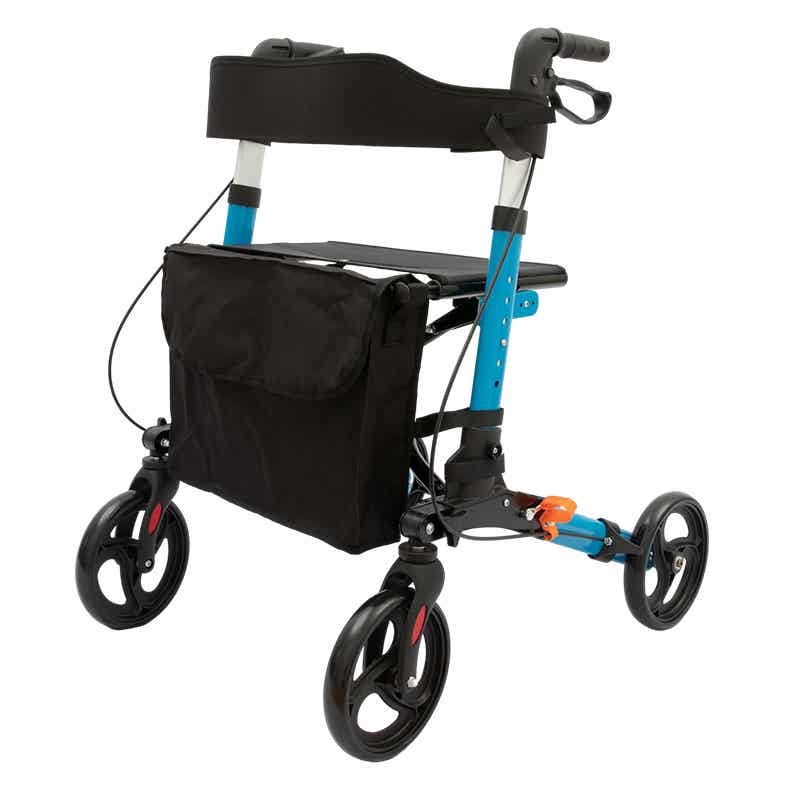
Rollator frames, brakes, and seating elements endure repeated stress. Offer wear-predictive part tracking and sell high-usage spare components in easy-access kits. A rollator that loses friction in wheels or flexes under body weight may compromise user safety.
3. End-User Maintenance Guides and Videos
Create visual service manuals that highlight how to adjust handles, tighten seat supports, and inspect lock mechanisms. QR codes or mobile app integration improve accessibility. These materials help maintain the rollator’s ability to safely sit down and stand up using rollator.
4. Field Service Technician Programs
Support for rehab centers, nursing homes, and hospitals can include mobile technician inspections every 6-12 months. Partnering with service professionals ensures compliance with safety standards and identifies early issues before incidents occur.
5. User Feedback Loop and Incident Reporting
Allow users to easily report discomfort or instability when sitting or standing. Use digital forms or hotlines. This feedback helps manufacturers and procurement teams improve next-gen models and prevent repeat failure patterns.
Conclusion: Confidence Sustained through Service
Safety in motion doesn’t end at the point of sale. Ongoing support, inspection, and education allow rollators to remain trustworthy companions for those who need to safely sit down and stand up using rollator. A strong after-sales strategy turns engineering excellence into real-world assurance.
SEO Keywords (40 groups for this series)
safely sit down and stand up using rollator
rollator maintenance checklist
after-sales mobility support
rollator parts replacement
preventive rollator care
brake maintenance rollator
seat integrity mobility aid
wheel locking inspection
rollator service guide
safe usage warranty support
user feedback system rollator
durability performance tracking
field issue reporting rollator
mobility service protocols
caregiver maintenance education
wear-resistant rollator design
rollator adjustment tools
long-term use support walker
product lifecycle mobility aid
field service technician rollator
Tags:
safely sit down and stand up using rollator, rollator maintenance checklist, after-sales mobility support, rollator parts replacement, preventive rollator care, brake maintenance rollator, seat integrity mobility aid, wheel locking inspection, rollator service guide, safe usage warranty support, user feedback system rollator, durability performance tracking, field issue reporting rollator, mobility service protocols, caregiver maintenance education, wear-resistant rollator design, rollator adjustment tools, long-term use support walker, product lifecycle mobility aid, field service technician rollator



