





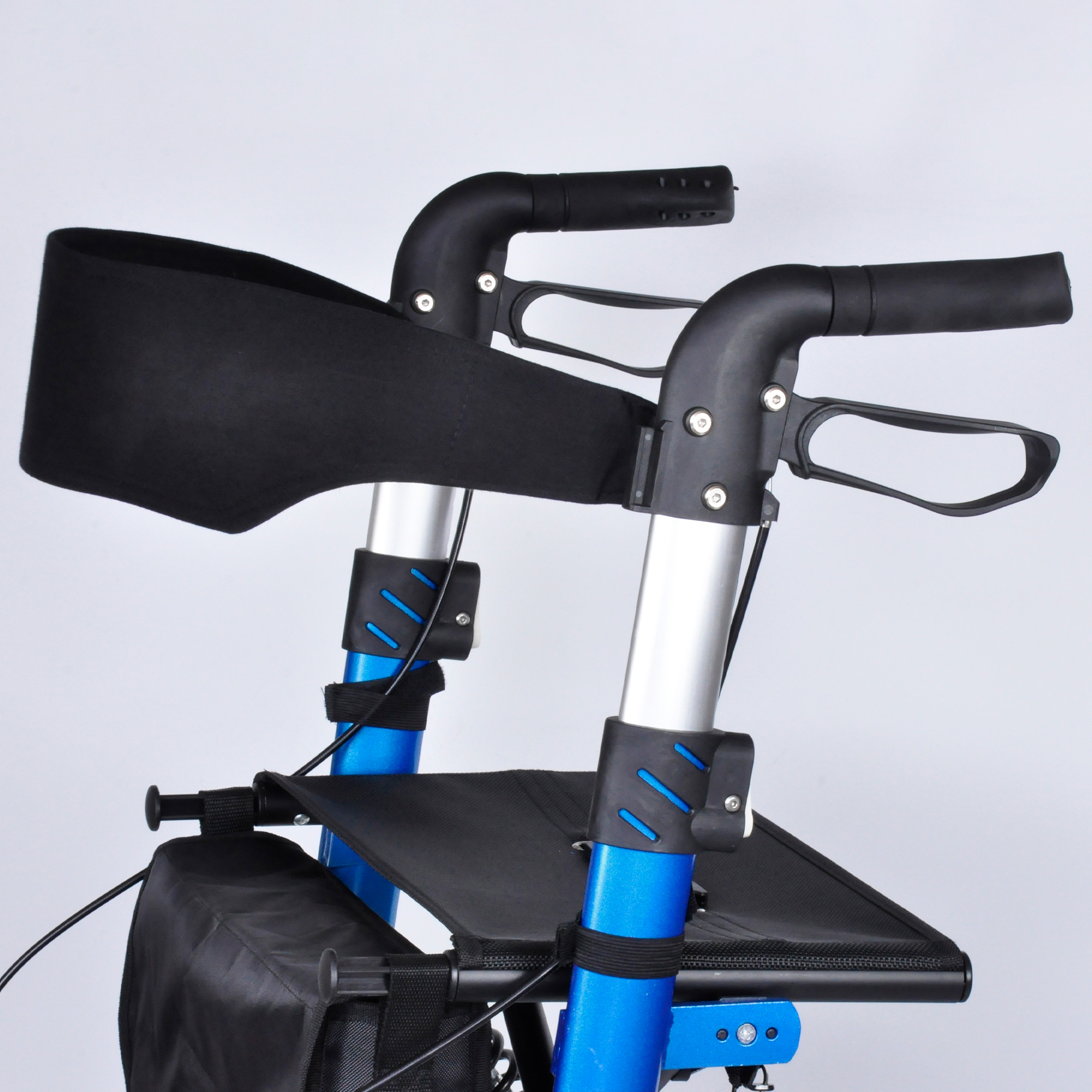
Managing Supplier Reliability, Lead Time, and Risk in Flexible Walker Procurement ROI

Supplier reliability and risk management play a decisive role in the procurement ROI for flexible walkers. Product and procurement teams must develop robust systems to evaluate, monitor, and optimize supplier performance, ensuring reliable supply and responsive mitigation of unforeseen challenges. This article presents best practices and frameworks for driving ROI through improved reliability, lead time management, and proactive risk strategies.
1. Establishing Supplier Performance Benchmarks
Use quantitative KPIs such as on-time delivery rates, order accuracy, and defect frequency to set benchmarks for supplier reliability. Evaluate historical data and industry standards to create realistic targets.
Implement regular performance scorecards and quarterly business reviews.
Share transparent reports with suppliers and engage in joint action planning.
2. Lead Time Optimization and Process Improvement
Long or inconsistent lead times can reduce procurement ROI. Best practices include:
Mapping the entire supply chain to identify bottlenecks and opportunities for streamlining.
Negotiating service level agreements (SLAs) that include lead time guarantees and penalty clauses.
Investing in digital supply chain management systems for real-time tracking and predictive alerts.
3. Risk Assessment and Contingency Planning
Resilient supply chains proactively address risks by:
Conducting supplier risk assessments for financial health, geopolitical exposure, and natural disaster vulnerability.
Developing contingency plans, including secondary suppliers and safety stock policies.
Regularly testing risk response protocols through simulations and scenario planning.
4. Supplier Collaboration and Continuous Improvement
Drive higher ROI through collaborative relationships that foster joint problem solving and innovation:
Schedule improvement workshops and root-cause analysis meetings.
Encourage knowledge sharing and co-investment in process upgrades.



