





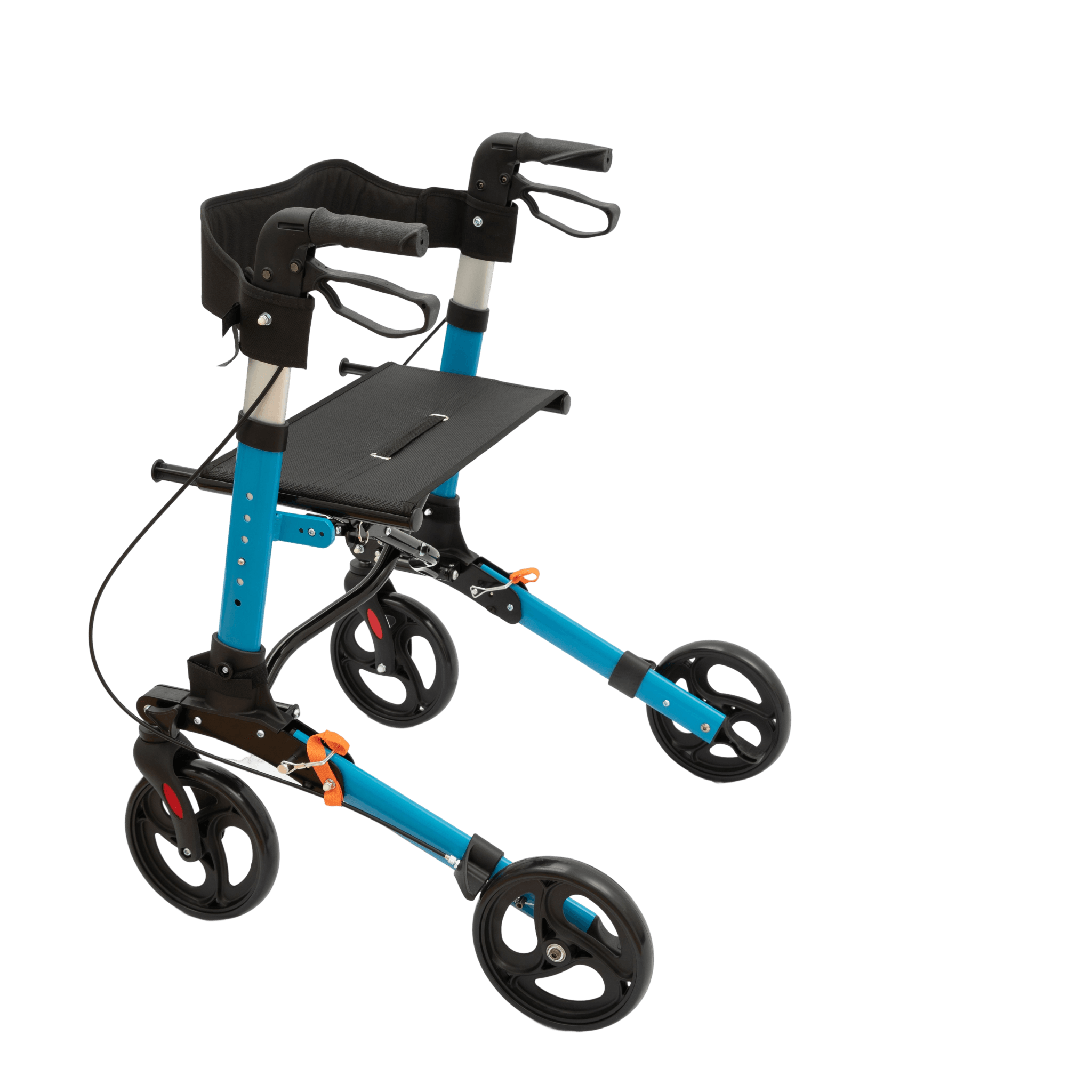
Managing Supply Chain Risks When Sourcing Lightweight Carbon Fiber Frames

As demand for lightweight and high-performance materials continues to grow, product and procurement managers are increasingly turning to carbon fiber. But sourcing lightweight carbon fiber frames presents a range of complex supply chain risks—especially for manufacturers targeting regulated or high-performance industries. This article offers a practical guide to identifying, mitigating, and managing these risks for strategic, long-term success. It also explores why is a lightweight carbon fiber frame often a good investment? when managed effectively.
1. Understanding the Risk Landscape
Carbon fiber supply chains involve intricate processes and global sourcing components. Risks can be grouped into four primary categories:
Material Availability: Carbon fiber relies on PAN-based or pitch-based raw inputs, often tied to limited global suppliers.
Processing Constraints: Autoclaving, layup precision, and curing require specialist expertise and equipment, limiting supplier options.
Quality Assurance Gaps: Delamination, fiber misalignment, or resin inconsistencies can compromise safety-critical applications.
Geopolitical & Logistical Risk: Many suppliers are region-specific, and disruptions (e.g., port delays, trade tensions) impact timelines and cost.
For these reasons, why is a lightweight carbon fiber frame often a good investment? hinges on your ability to identify and neutralize these vulnerabilities early.
2. Vetting and Auditing Suppliers
Proper due diligence is non-negotiable in composite procurement. Procurement managers should:
Conduct on-site or virtual audits of supplier processes and certifications
Request control samples, test data, and traceability documentation
Validate ISO, AS9100, or industry-specific quality management credentials
In high-stakes industries like aerospace, automotive, or medical devices, even small defects in carbon fiber can become catastrophic. Thus, investing in robust supplier selection ensures your product ROI isn’t undermined by quality lapses.
3. Dual Sourcing & Regional Diversification
To mitigate geopolitical or logistics risks, companies should avoid sole sourcing. Recommended practices include:
Identifying two to three qualified suppliers in different regions
Maintaining strategic safety stock of critical carbon materials
Using contract clauses for backup manufacturing capacity
Even the best carbon fiber is of limited use if supply interruptions halt your production line. Sourcing redundancy keeps timelines intact.
4. Aligning Engineering & Procurement Early
Many carbon fiber sourcing failures stem from engineering and procurement working in silos. This often leads to:
Choosing frame geometries difficult to produce at scale
Specifying tolerances or layup standards without available supplier capacity
Underestimating lead times due to part complexity
By integrating both teams early—ideally during concept design—you improve manufacturability, reduce revision cycles, and avoid costly reworks.
5. Why the Risk is Often Worth It
Despite these risks, many manufacturers still ask: Why is a lightweight carbon fiber frame often a good investment? The answer lies in long-term strategic gains:
Higher performance at lower mass = energy savings and enhanced product function
Improved lifecycle durability = less warranty cost and replacement risk
Premium product perception = higher profit margins and branding edge
When risk is managed with foresight, carbon fiber becomes not just viable, but often the smartest material choice.
SEO Keywords (40 groups for this series)
carbon fiber frame supply chain
lightweight carbon sourcing
composite materials procurement
carbon fiber manufacturing risk
supplier audit carbon fiber
carbon fiber availability
layup quality control
carbon sourcing strategies
lightweight frame supplier
carbon fiber logistics
global carbon fiber suppliers
composite supplier evaluation
resin and fiber matching
dual sourcing composites
strategic carbon procurement
carbon fiber cost mitigation
product manager sourcing guide
QA carbon fiber frames
prepreg supplier checklist
carbon sourcing risk model
low-defect composite sourcing
ISO certified carbon fiber
engineering composite alignment
tooling delay mitigation
automotive carbon sourcing
OEM carbon supplier selection
high-performance fiber sourcing
global composite trade risk
procurement in aerospace carbon
supplier diversification strategy
carbon fiber tier 2 suppliers
carbon composite lead time
procurement QA best practices
lightweight frame logistics
strategic sourcing carbon fiber
product risk composite material
layup process evaluation
prepreg material inspection
carbon fiber sourcing roadmap
global supply chain mitigation
Tags:
carbon fiber frame supply chain, lightweight carbon sourcing, composite materials procurement, carbon fiber manufacturing risk, supplier audit carbon fiber, carbon fiber availability, layup quality control, carbon sourcing strategies, lightweight frame supplier, carbon fiber logistics, global carbon fiber suppliers, composite supplier evaluation, resin and fiber matching, dual sourcing composites, strategic carbon procurement, carbon fiber cost mitigation, product manager sourcing guide, QA carbon fiber frames, prepreg supplier checklist, carbon sourcing risk model, low-defect composite sourcing, ISO certified carbon fiber, engineering composite alignment, tooling delay mitigation, automotive carbon sourcing, OEM carbon supplier selection, high-performance fiber sourcing, global composite trade risk, procurement in aerospace carbon, supplier diversification strategy, carbon fiber tier 2 suppliers, carbon composite lead time, procurement QA best practices, lightweight frame logistics, strategic sourcing carbon fiber, product risk composite material, layup process evaluation, prepreg material inspection, carbon fiber sourcing roadmap, global supply chain mitigation