





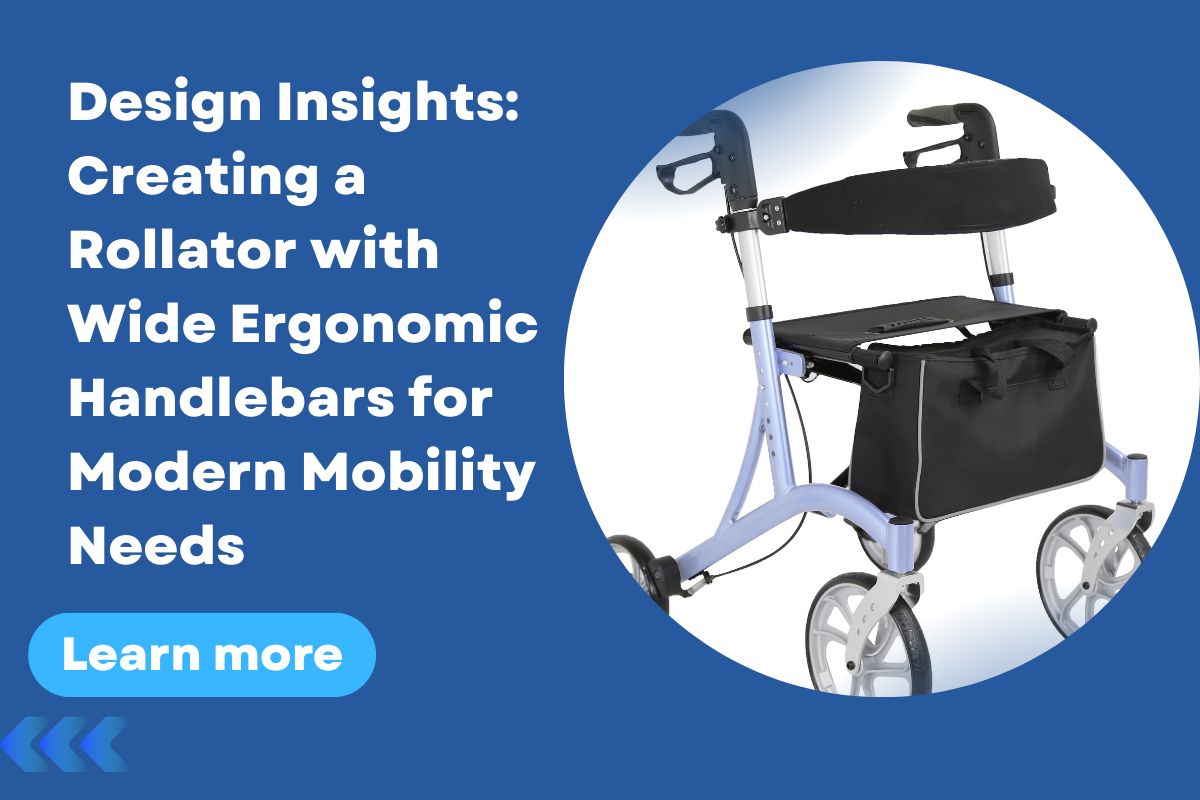
Optimizing Supply Chain Decisions: What Procurement Teams Need in Modern Rollators

In today’s fast-evolving healthcare environment, procurement teams are central to optimizing operational efficiency, risk mitigation, and cost control. When selecting modern rollators for institutional or bulk purchase, the focus is not just on end-user satisfaction but also on meeting stringent supply chain and compliance requirements. This article provides procurement professionals and supply chain managers with a clear roadmap for evaluating the Features B2B Buyers Look for in Modern Rollators and ensuring every purchasing decision delivers value, quality, and reliability.
Critical Procurement Considerations for Modern Rollators
Procurement teams approach mobility product selection with a checklist shaped by long-term use, regulatory risk, and service requirements. The following factors should guide your rollator purchase strategy:
Vendor qualification and proven track record
Certifications for safety, quality, and compliance (ISO, CE, FDA, etc.)
Delivery lead times and logistics support
Standardization across multiple care environments
Total cost of ownership: from acquisition to maintenance and end-of-life
Availability of spare parts and post-sale technical support
Warranty terms and service-level agreements (SLAs)
Risk management and liability coverage
These pillars help teams move beyond simple unit price comparisons, focusing instead on a lifecycle value approach for Features B2B Buyers Look for in Modern Rollators.
Building a Feature-Based Rollator Evaluation Matrix
Successful supply chain leaders develop a standardized evaluation matrix that matches procurement priorities with product attributes. Key features to include in your matrix:
Frame Durability and Corrosion Resistance: Test results for long-term use and challenging environments.
Brake Reliability: Evidence of compliance with international safety standards and maintenance requirements.
Weight Capacity and User Range: Certifications and field data supporting broad patient applicability.
Ease of Folding and Transport: Demonstrated advantages for storage and logistics.
Wheel Design and Adaptability: Suitability for both indoor and outdoor use, including rough surfaces.
Accessory Compatibility: Flexibility to add baskets, trays, oxygen tank holders, and custom solutions.
Handle Adjustment and Ergonomics: User-centric features with quantifiable impact on comfort and safety.
Serviceability and Spare Parts: Documented support channels and SLA turnaround times.
Compliance and Labeling: Clear evidence of international certifications and labeling for traceability.
Warranty and After-Sales Support: Strong warranty and visible commitment to customer service.
Each supplier or product can then be objectively rated, supporting consistent, auditable, and scalable procurement decisions.
Integrating Rollator Selection into Broader Supply Chain Strategy
Beyond product features, procurement teams must consider how modern rollators fit within the organization’s broader supply chain goals:
Supplier consolidation for volume discounts and simplified management
Reducing stock-outs with robust vendor inventory and flexible delivery
Leveraging data and reporting for usage tracking and predictive replenishment
Alignment with sustainability goals—recyclable materials, eco-friendly packaging, and end-of-life take-back
Adapting to emerging regulations or patient safety mandates
By ensuring the Features B2B Buyers Look for in Modern Rollators are matched to these strategic priorities, supply chain professionals maximize value and minimize operational risk.
Common Procurement Pitfalls and How to Avoid Them
Over-reliance on unit price: Assess lifecycle costs and total ROI, not just acquisition cost.
Ignoring after-sales support: Verify support infrastructure before committing.
Failure to standardize: Too many product variations complicate inventory, training, and service.
Not piloting new models: Run controlled pilots with end-user feedback before mass adoption.
Overlooking compliance: Check that documentation and certifications are always current and auditable.
Addressing these risks ensures a smoother procurement process and better long-term outcomes.
Conclusion: Smarter Procurement, Stronger Outcomes
For procurement teams and supply chain managers, rollator selection is a strategic opportunity to deliver both financial value and improved patient experience. By focusing on the Features B2B Buyers Look for in Modern Rollators, standardizing evaluations, and aligning with supply chain goals, teams can confidently choose solutions that drive organizational success and support professional growth.
SEO Keywords (40 groups for this series)
Supply chain rollator procurement
Procurement team rollator checklist
Modern rollator for institutions
B2B rollator purchase strategy
Vendor qualification rollator
Rollator lifecycle value
Rollator service-level agreement
Spare parts rollator
Compliance certified rollator
Supplier consolidation mobility device
Bulk rollator order
Rollator warranty terms
Delivery lead time rollator
Institutional mobility solution
Inventory management rollator
Standardized mobility equipment
After-sales support rollator
Sustainability rollator supply
Logistics support rollator
Healthcare supply procurement
Risk management mobility aid
Feature evaluation matrix rollator
Serviceability rollator
Patient safety rollator
Technical documentation rollator
Regulatory audit rollator
B2B mobility device compliance
Spare part availability
Modern rollator cost control
Procurement best practices rollator
Quality assurance rollator
Supplier risk assessment rollator
Healthcare mobility product standards
Vendor inventory rollator
Institutional procurement rollator
Patient feedback pilot rollator
Standardization strategy rollator
Modern rollator bulk purchase
Data-driven procurement rollator
Features B2B Buyers Look for in Modern Rollators
Tags:
Supply chain rollator procurement, Procurement team rollator checklist, Modern rollator for institutions, B2B rollator purchase strategy, Vendor qualification rollator, Rollator lifecycle value, Rollator service-level agreement, Spare parts rollator, Compliance certified rollator, Supplier consolidation mobility device, Bulk rollator order, Rollator warranty terms, Delivery lead time rollator, Institutional mobility solution, Inventory management rollator, Standardized mobility equipment, After-sales support rollator, Sustainability rollator supply, Logistics support rollator, Healthcare supply procurement, Risk management mobility aid, Feature evaluation matrix rollator, Serviceability rollator, Patient safety rollator, Technical documentation rollator, Regulatory audit rollator, B2B mobility device compliance, Spare part availability, Modern rollator cost control, Procurement best practices rollator, Quality assurance rollator, Supplier risk assessment rollator, Healthcare mobility product standards, Vendor inventory rollator, Institutional procurement rollator, Patient feedback pilot rollator, Standardization strategy rollator, Modern rollator bulk purchase, Data-driven procurement rollator, Features B2B Buyers Look for in Modern Rollators



