





Procurement Decision Guide: Choosing Between Rollz Rollator Brakes and Conventional Options
In the evolving landscape of healthcare and eldercare procurement, product selection impacts not only budgets but also clinical safety and user satisfaction. For product managers and procurement professionals, the question often arises: How do the brakes on a Rollz rollator compare to a standard one? This decision guide breaks down critical procurement factors—performance, cost, compliance, and long-term value—to support evidence-based mobility equipment choices.
Key Decision Factors in Rollator Procurement
The rollator market offers a wide range of brake designs, from basic cable brakes to advanced, ergonomic mechanisms. Procurement teams must evaluate not just the upfront purchase cost but also the impact on patient safety, operational efficiency, and brand reputation.
Performance: Consistent braking action, low failure rate, user-friendly engagement
Compliance: Meets local and international safety standards
Cost: Upfront investment vs. lifecycle maintenance savings
User Experience: Reduces risk and increases user confidence
Comparing Rollz and Standard Brakes in Practice
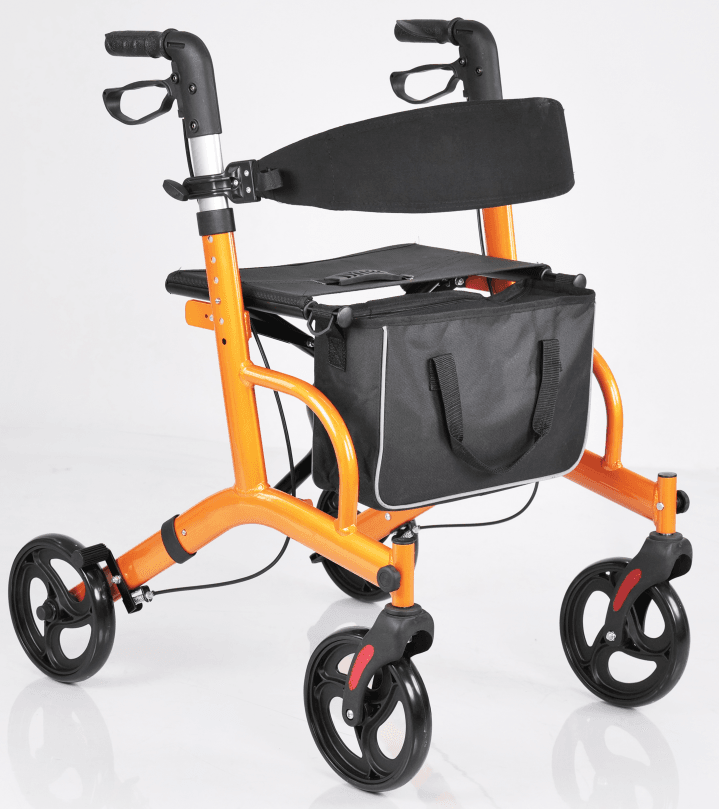
Addressing the procurement team’s key concern—How do the brakes on a Rollz rollator compare to a standard one?—requires real-world data. Clinical settings have shown that Rollz brakes reduce slippage on wet and uneven surfaces, require less frequent adjustment, and offer ergonomic handles suited for a wide variety of users. Standard models, while more economical, may increase maintenance calls and present a higher risk of performance inconsistency.
Rollz brakes deliver smoother engagement and more precise stopping
Standard brakes can suffer cable stretch and decreased sensitivity over time
User feedback on Rollz models is consistently higher for comfort and confidence
Budgeting for Lifecycle Value
While Rollz rollators may cost more initially, their reduced need for maintenance, fewer service interruptions, and higher user retention rates offer significant lifecycle value. Product managers can justify the investment by calculating the total cost of ownership, factoring in warranty terms, and tracking incident rates related to brake failures.
Regulatory and Compliance Considerations
Compliance with international mobility device standards is essential in institutional procurement. Rollz rollators are designed to meet or exceed these standards, helping facilities avoid regulatory penalties and protecting user safety. Standard rollators may require additional review or upgrades to satisfy newer safety guidelines.
Conclusion: A Smarter Path to Mobility Safety
For healthcare organizations and senior living facilities, choosing between Rollz and standard rollator brakes is a strategic decision. The evidence supports that, when asked How do the brakes on a Rollz rollator compare to a standard one?, Rollz offers superior performance, greater durability, and a better user experience. Prioritizing long-term safety and satisfaction leads to smarter procurement outcomes and more resilient care environments.
SEO Keywords (40 groups for this series)
Procurement decision rollator
Rollz rollator safety
Standard walker brakes
Lifecycle value mobility aid
Mobility compliance equipment
Healthcare equipment budgeting
Product manager mobility guide
Supply chain safety device
Institutional mobility procurement
Clinical brake performance
User satisfaction walker
Care facility equipment review
Durability comparison rollator
Maintenance cost reduction walker
Safety standard mobility device
Regulatory compliant rollator
Patient feedback mobility aid
Ergonomic brake handle
Warranty terms mobility device
Incident rate reduction walker
Long-term investment mobility
Rollz braking mechanism
Care home mobility procurement
Safe stopping walker
Risk management mobility
Hospital rollator selection
Professional walker review
Mobility device evaluation
User retention equipment
Senior living procurement
Cost justification rollator
Brake performance analytics
Clinical product compliance
Equipment audit walker
Healthcare risk reduction
Mobility incident prevention
Efficient procurement walker
Hospital mobility audit
Professional mobility management
Long-life brake system
Tags:
Procurement decision rollator, Rollz rollator safety, Standard walker brakes, Lifecycle value mobility aid, Mobility compliance equipment, Healthcare equipment budgeting, Product manager mobility guide, Supply chain safety device, Institutional mobility procurement, Clinical brake performance, User satisfaction walker, Care facility equipment review, Durability comparison rollator, Maintenance cost reduction walker, Safety standard mobility device, Regulatory compliant rollator, Patient feedback mobility aid, Ergonomic brake handle, Warranty terms mobility device, Incident rate reduction walker, Long-term investment mobility, Rollz braking mechanism, Care home mobility procurement, Safe stopping walker, Risk management mobility, Hospital rollator selection, Professional walker review, Mobility device evaluation, User retention equipment, Senior living procurement, Cost justification rollator, Brake performance analytics, Clinical product compliance, Equipment audit walker, Healthcare risk reduction, Mobility incident prevention, Efficient procurement walker, Hospital mobility audit, Professional mobility management, Long-life brake system