



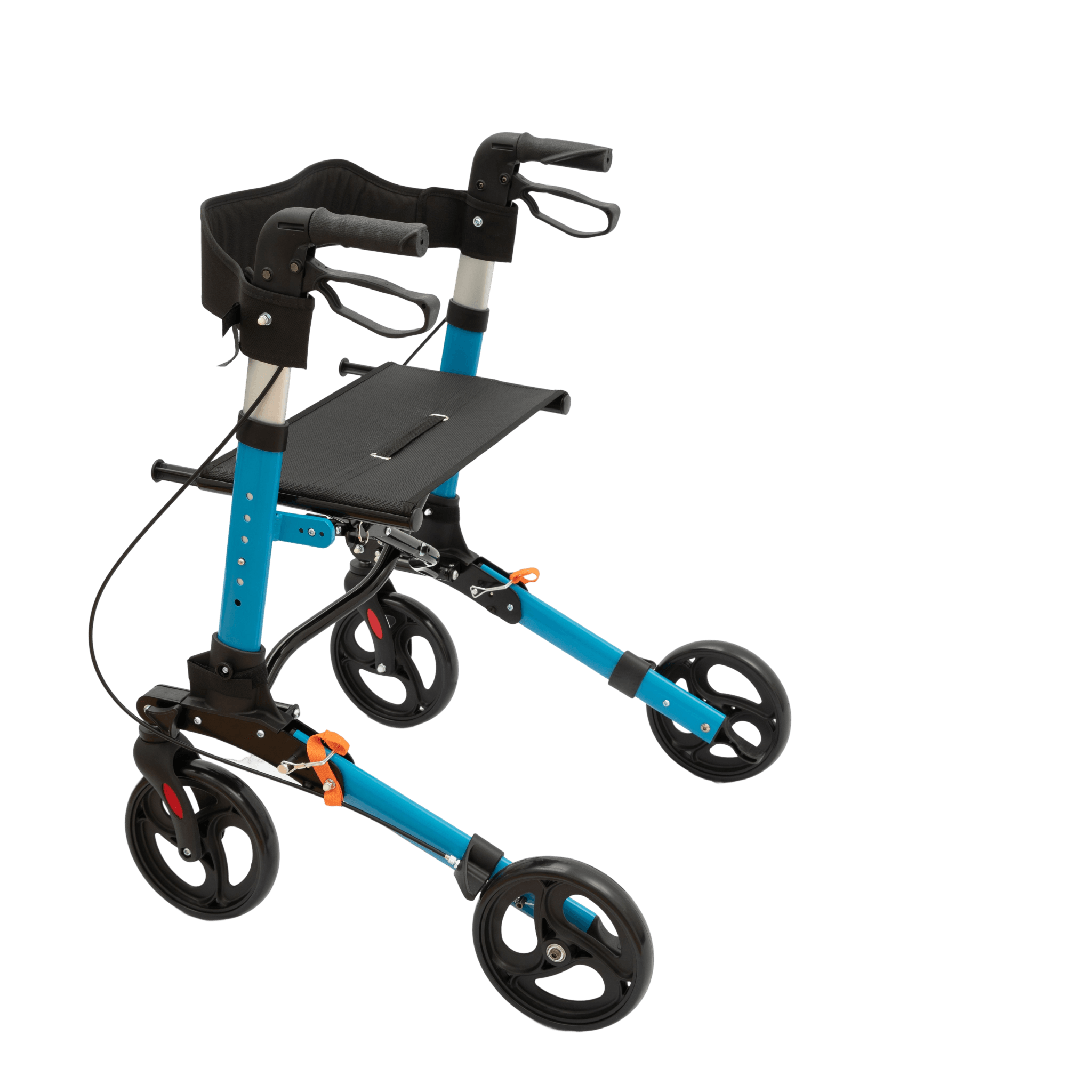
Procurement Strategies: Sourcing Walkers with Shock-Dampening Wheels for Healthcare Facilities
The procurement of advanced mobility aids is a crucial responsibility for supply chain managers and purchasing professionals in modern healthcare organizations. As expectations rise for both user comfort and operational efficiency, selecting the right walker with shock-dampening wheels: for a smooth walking experience is no longer a luxury but a necessity. This article provides a detailed roadmap for developing and executing effective procurement strategies that ensure clinical needs are met, budgets are optimized, and long-term value is delivered to facilities and end-users alike.
1. Defining Clinical and Operational Requirements
Before initiating the procurement process, it is vital to map out both clinical and operational priorities:
User profile: Who will use the walker? Elderly residents, rehabilitation patients, or bariatric users may each require different design specifications and weight capacities.
Clinical goals: Will the device primarily be used for rehabilitation, long-term mobility, or both?
Walking environments: Indoor surfaces, outdoor paths, and mixed-use require different wheel technologies and frame durability.
A walker with shock-dampening wheels: for a smooth walking experience is especially beneficial for facilities where patients experience frequent fatigue, joint pain, or require smoother motion for safe rehabilitation.
2. Market Research and Supplier Evaluation
Start with a comprehensive review of available products and potential suppliers:
Supplier reputation: Prioritize vendors with a proven track record in healthcare mobility devices and documented compliance with regulatory standards (FDA, CE, ISO).
Innovation and product range: Review the supplier’s catalog for multiple walker options featuring advanced shock-dampening wheel technology and customizability.
Client testimonials: Request references and case studies from hospitals, clinics, or care facilities using similar products.
3. Technical Specification and Tender Preparation
Draft technical specifications that reflect both clinical feedback and market research:
Shock-dampening wheel system: Specify requirements for elastomer, spring-based, or gel-based shock absorption systems, backed by lab test results.
Frame construction: Demand lightweight, rust-proof, and reinforced materials that balance portability with durability.
Ergonomic features: List handle adjustability, hand grip material, seat/basket options, and weight/height ranges.
For tenders or RFPs, clearly state the expectation for a walker with shock-dampening wheels: for a smooth walking experience—not just basic walkers.
4. Real-World Testing and Pilot Programs
No procurement is complete without user-centric testing:
Clinical trials: Deploy sample units to wards, rehabilitation areas, and outpatient clinics; gather user and clinician feedback on comfort, stability, and fatigue reduction.
Usage data: Track frequency of use, common user complaints, and rates of incidents (e.g., slips, falls) with each device.
Pilot program reports: Summarize findings and quantify benefits such as improved user compliance or reduced complaints about joint pain.
5. Value-Based Procurement: Balancing Cost and Outcome
Value-based procurement shifts focus from lowest price to total cost and clinical value:
Initial vs. lifecycle cost: Evaluate product durability, spare parts pricing, and expected maintenance frequency.
Warranty and support: Seek at least a two-year warranty and responsive local support for parts and servicing.
Outcome metrics: Quantify expected reductions in patient fatigue, improved rehabilitation outcomes, and higher satisfaction scores.
6. Negotiation and Vendor Partnership
Effective negotiation is more than price—it’s about service, reliability, and innovation:
Long-term partnership: Choose suppliers open to collaboration on product feedback, rapid iteration, and ongoing staff training.
Bulk purchasing incentives: Negotiate for volume discounts, extended service contracts, or free training programs.
After-sales guarantees: Ensure clear escalation processes for technical issues and guaranteed lead times for replacement parts.
7. Implementation, Training, and Change Management
Smooth implementation maximizes procurement impact:
Staff education: Arrange for supplier-led demonstrations on adjusting shock-dampening settings, folding/storage, and cleaning protocols.
User onboarding: Provide patients with clear instructions, emphasizing the benefits of shock-dampening technology for safer, longer walks.
Continuous feedback: Maintain communication channels for frontline staff and users to report on walker performance and suggest improvements.
8. Monitoring Outcomes and Continuous Improvement
Post-implementation, measure and refine:
Performance tracking: Regularly review device usage, user satisfaction, and any reported incidents.
Maintenance logs: Track frequency and type of repairs, ensuring early identification of recurring issues.
Supplier review: Schedule periodic performance reviews with vendors to address feedback and discuss upcoming innovations.
9. Compliance and Documentation
Ensure all devices and processes are documented for legal and accreditation purposes:
Regulatory certificates: File all supplier certifications and product compliance documents.
Audit trails: Maintain detailed records of procurement decisions, user feedback, and incident reports.
10. Planning for Future Needs
Mobility aid technology is evolving rapidly:
Stay informed: Monitor emerging trends, such as smart walkers with integrated sensors, eco-friendly materials, and telehealth compatibility.
Scalable contracts: Draft contracts that allow for upgrades or additional purchases as clinical needs change.
Related Product Terms, Services, and Target Groups for SEO (40 groups):
Walker, Shock-Dampening Wheels, Mobility Aid, Clinical Use, Product Manager, Supply Chain, Procurement, Healthcare Facility, Ergonomic Design, Adjustable Handles, Medical Walker, Smooth Walking, Comfort Mobility, Aluminum Frame, Reinforced Steel, Foldable Walker, Safety Brakes, Storage Basket, Patient Equipment, Rehabilitation Device, Pressure Relief, Long-Term Use, Senior Mobility, Disability Support, Recovery Aid, Lightweight Walker, Durable Walker, Suspension Wheels, Padded Grips, Compact Storage, Warranty Service, Homecare Product, Adjustable Height, User Feedback, Wheel Technology, Safety Standards, Custom Features, Parts Replacement, Extended Warranty, Compliance Certification
SEO Keywords:
Walker, Shock-Dampening Wheels, Comfortable Walker, Clinical Walker, Adjustable Walker, Procurement Walker, Healthcare Walker, Ergonomic Walker, Durable Walker, Lightweight Walker, Medical Walker, Senior Mobility Aid, Foldable Walker, Smooth Walking Aid, Product Manager Mobility, Supply Chain Mobility, Patient Care Walker, Clinical Equipment, Rehabilitation Walker, Disability Equipment, Safety Brakes Walker, Compact Walker, Aluminum Walker, Suspension Wheel Walker, Padded Grip Walker, Extended Use Mobility, Warranty Walker, Compliance Certified Walker, Adjustable Handle Walker, User-Friendly Walker, Professional Use Mobility, Custom Walker, Storage Basket Walker, Homecare Walker, Patient Comfort Walker, Durable Frame Walker, Medical Grade Walker, Parts Replacement Walker, Extended Warranty Walker
READ MORE:
- Technical Benefits of a Rollator for Parkinson’s: Provides Stable Support for Healthcare Facilities
- How to Select a Rollator for Parkinson’s: Provides Stable Support in Clinical Practice
- Why Height-Adjustable Rollator: With Memory Lock System Increases Value in Supply Chain Management
- Enhancing User Safety and Comfort with Height-Adjustable Rollator: With Memory Lock System
- Procurement Guidelines for Height-Adjustable Rollator: With Memory Lock System in Clinical Environments
- Key Technical Benefits of Height-Adjustable Rollator: With Memory Lock System for Product Managers
- Selecting a Height-Adjustable Rollator: With Memory Lock System for Modern Healthcare Settings
- Minimizing User Fatigue: Why “Walker with Shock-Dampening Wheels: For a Smooth Walking Experience” Is Essential
- Enhancing Patient Mobility: Ergonomic Advantages of Walkers with Shock-Dampening Wheels





