



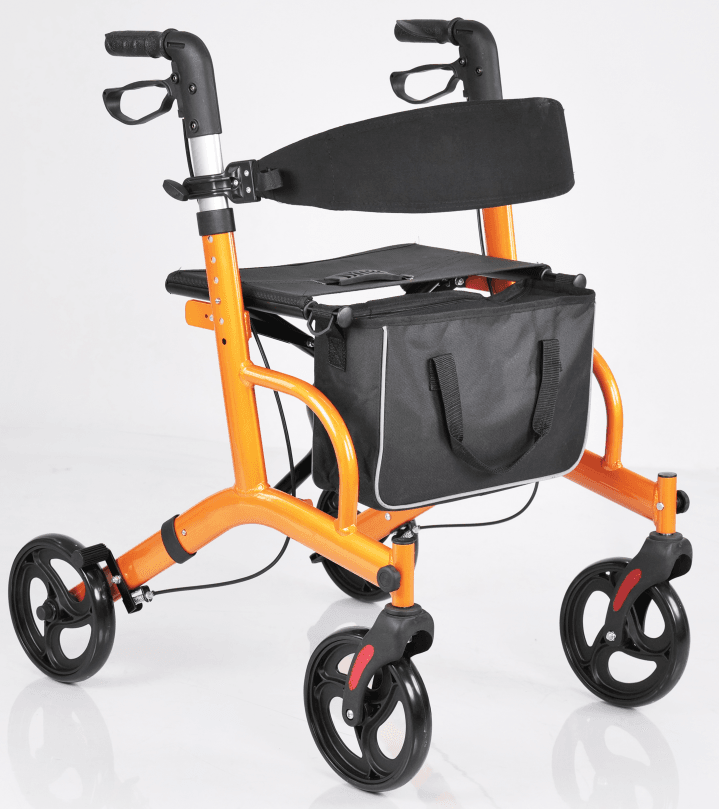
Procurement Strategy: Evaluating Rollators with Quick-Detach Wheels for Long-Term ROI
Procurement specialists and supply chain managers are under constant pressure to identify products that not only meet consumer needs but also deliver sustainable financial performance. In this context, the Rollator with Quick-Detach Wheels: Easy Storage and Transport represents a forward-looking investment opportunity. This article evaluates procurement strategies for adopting quick-detach rollators, focusing on lifecycle cost, operational efficiency, and long-term return on investment (ROI).
1. Total Cost of Ownership (TCO)
One of the most critical procurement considerations is the total cost of ownership. While rollators with quick-detach wheels may have a higher upfront cost, their modular design, reduced packaging requirements, and ease of transport deliver savings over time. Lower freight expenses, fewer replacements, and improved user satisfaction all contribute to lowering lifecycle costs compared to conventional rollators.
2. Durability and Maintenance Benefits
Durability is a key determinant of ROI. The detachable wheel system not only makes storage and transport easier but also facilitates maintenance. Instead of replacing entire units, procurement teams can simply order spare wheels, reducing maintenance budgets and extending product lifespan. This modular approach minimizes waste and supports sustainable procurement practices.
3. Logistics Optimization
From a supply chain perspective, quick-detach wheel rollators significantly optimize logistics. Compact packaging reduces shipping volumes and pallet requirements, which directly impacts transportation costs. Warehouses can also store more units within the same space, improving distribution efficiency. These logistical advantages translate into measurable cost reductions across the supply chain.
4. Supplier Evaluation and Partnerships
Strategic procurement requires careful evaluation of suppliers. Vendors offering rollators with detachable wheels must be assessed for product quality, warranty support, and compliance with international standards. Building long-term supplier partnerships ensures consistent product availability, after-sales service, and opportunities for co-developing next-generation designs.
5. Risk Management and Compliance
Procurement managers must also consider compliance with healthcare regulations and product safety standards. Quick-detach rollators should meet ISO certifications or equivalent benchmarks for mobility aids. Ensuring compliance reduces legal risks and strengthens brand reputation, while reliable suppliers mitigate risks of shortages or inconsistent product quality.
6. Enhancing End-User Satisfaction
The success of procurement decisions ultimately depends on end-user acceptance. Seniors, patients, and caregivers value rollators that provide convenience and reliability. The Rollator with Quick-Detach Wheels: Easy Storage and Transport supports independence by making storage, travel, and handling significantly easier. This satisfaction translates into stronger consumer loyalty, reduced returns, and higher long-term profitability.
7. ROI Measurement Metrics
To evaluate ROI, procurement teams should track metrics such as: - Reduction in freight costs due to compact packaging. - Decrease in replacement and repair expenses. - Improved warehouse efficiency and SKU management. - End-user satisfaction scores and return rates.
These indicators provide tangible evidence of the financial and operational benefits of investing in quick-detach wheel rollators.
8. Future-Proofing Procurement Strategies
Procurement professionals who adopt innovative mobility aids early position themselves for long-term success. As the global population ages, demand for convenient, storage-friendly rollators will increase. Aligning procurement strategies with these trends ensures sustainable competitive advantages for healthcare institutions, retailers, and distributors.
Conclusion
The Rollator with Quick-Detach Wheels: Easy Storage and Transport delivers more than consumer convenience—it is a procurement asset that strengthens financial performance, optimizes logistics, and improves end-user outcomes. By evaluating lifecycle costs, building strong supplier relationships, and measuring ROI through operational metrics, procurement managers can justify the long-term value of these innovative rollators. For supply chain professionals, adopting this product is not just a cost decision but a strategic investment in future market relevance.
40 SEO Keywords (Products, Services, Customer Groups)
procurement strategy rollator walker
ROI-focused mobility aid
total cost of ownership rollator
logistics-optimized quick wheel rollator
durable detachable wheel rollator
modular maintenance rollator walker
healthcare procurement mobility aid
supplier-evaluated rollator solution
compliance-certified mobility product
efficient procurement rollator walker
end-user satisfaction mobility device
cost-saving detachable wheel rollator
strategic procurement mobility walker
warranty-supported rollator solution
compact logistics rollator walker
reduced freight cost rollator
professional procurement rollator strategy
long-term ROI mobility solution
sustainable procurement rollator walker
ISO-certified quick wheel rollator
modular spare part rollator
risk-managed procurement rollator
consumer loyalty mobility aid
distribution-optimized rollator walker
lifecycle cost mobility walker
supplier partnership rollator
compliance-ready mobility solution
healthcare-friendly detachable rollator
efficient SKU procurement strategy
repair-friendly modular rollator
resilient procurement mobility device
compact storage rollator walker
innovative procurement rollator design
procurement lifecycle ROI walker
professional supply chain rollator solution
warehouse-efficient quick wheel rollator
sustainability-driven procurement walker
reliable detachable rollator walker
consumer-focused procurement strategy
strategic ROI rollator solution
READ MORE:
- Supply Chain Advantages of Comfort Curve Frame Rollators
- Enhancing User Comfort with Rollators: The Value of Comfort Curve Frame Design
- Case Study: Successful Deployment of Quick-Detach Wheel Rollators in Senior Care Facilities
- Future Innovations in Rollator Design: The Role of Quick-Detach Wheel Systems
- How Quick-Detach Wheel Rollators Improve Supply Chain and Retail Distribution
- Maximizing Mobility Efficiency with Rollator Walkers Featuring Quick-Detach Wheels
- Case Study: Successful Implementation of Rollators with Shopping Baskets in Senior Communities
- Design & Innovation: Future Trends in Rollator Walkers with Integrated Baskets
- Procurement Considerations: Selecting the Right Rollator for Supply Chain Efficiency