Explore how quality control and testing influence OEM rollator manufacturing costs, from compliance requirements to early defect detection.
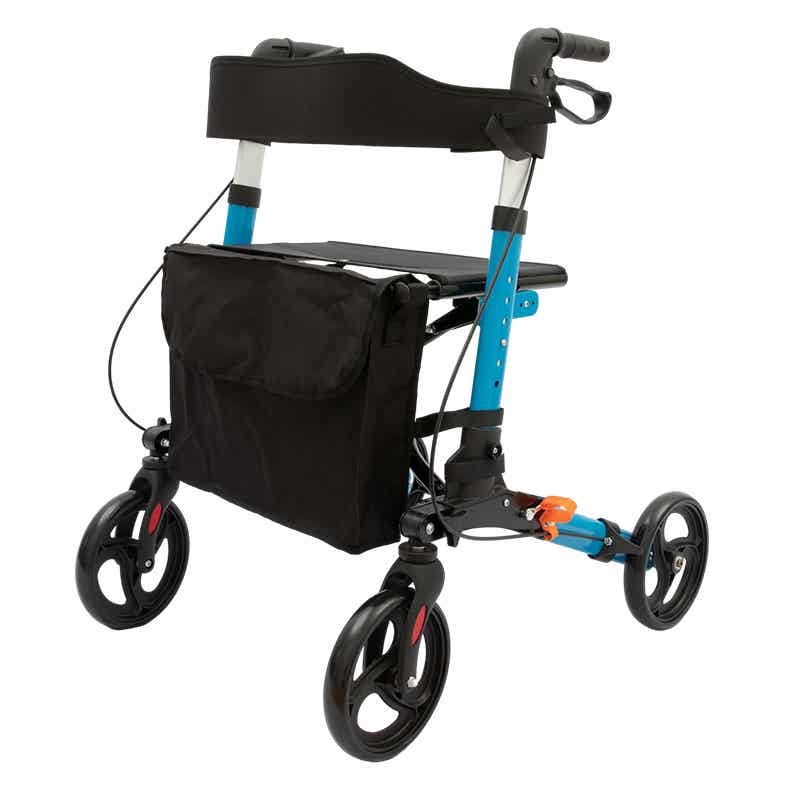
 Quality Control and Testing Costs in OEM Rollator Manufacturing
Within the OEM rollator manufacturing cost breakdown, quality control and testing stand out as a non-negotiable investment. They ensure compliance with safety standards, prevent defects, and protect the brand’s reputation.
1. Types of Tests Conducted
Common tests include load-bearing tests, brake efficiency verification, and stability assessments. Each test has direct costs in labor, equipment, and time.
2. Compliance with Regulations
Meeting international safety standards such as ISO or EN requirements involves documentation, audits, and potential third-party certifications—all of which add to costs.
3. Early Defect Detection
Integrating testing during multiple production stages reduces waste and avoids costly recalls. While it may add time upfront, it saves money in the long term.
4. The ROI of QC Investment
High QC costs often translate into fewer after-sales claims, stronger brand loyalty, and sustained market competitiveness.
Understanding the QC portion of the OEM rollator manufacturing cost breakdown allows brands to negotiate pricing with clarity and confidence.
READ MORE: