






Regulatory Compliance & Risk Management in Scalable Healthcare Walker Procurement
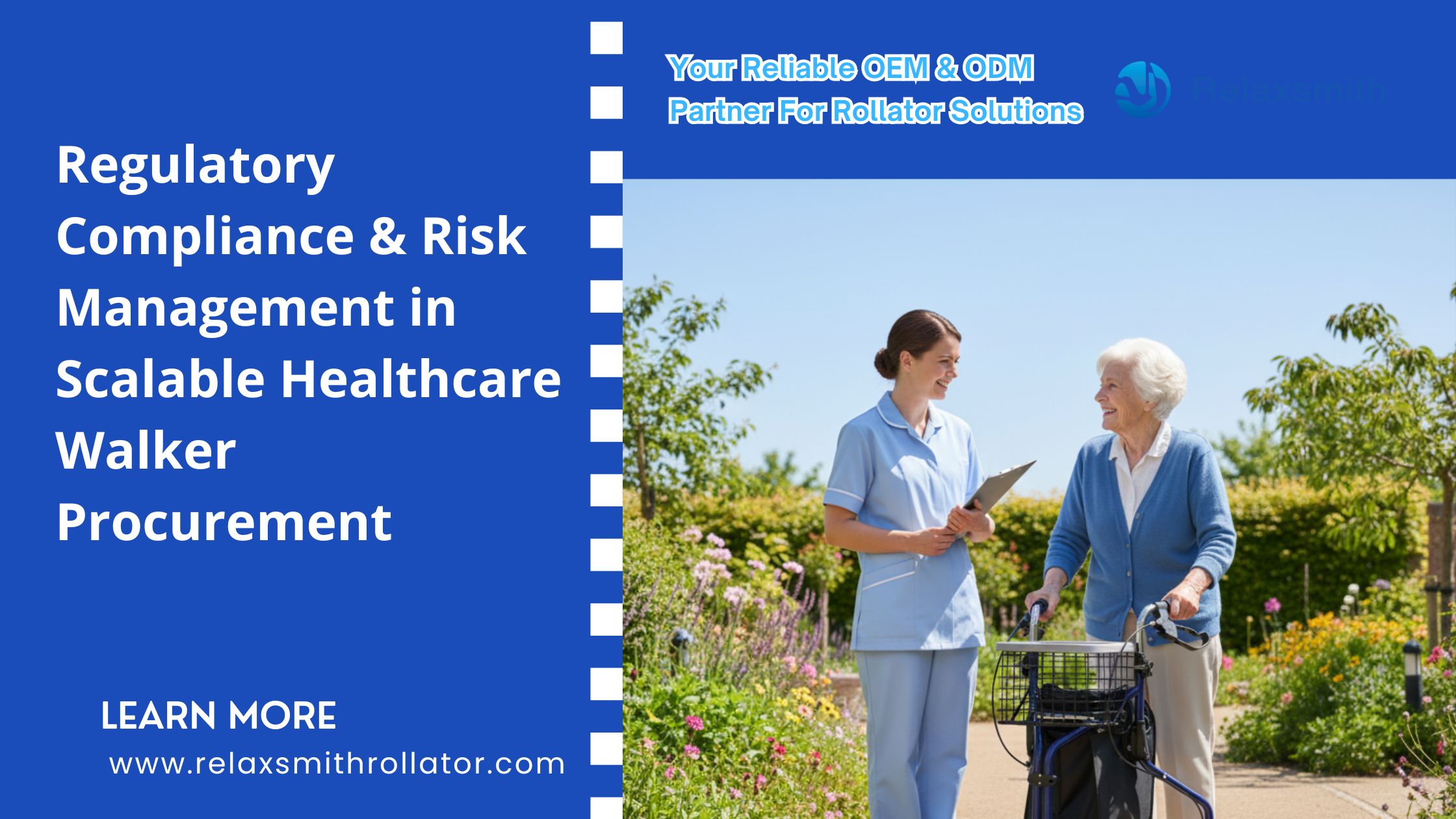
Procurement leaders must navigate a complex landscape of regulations and risks when pursuing Scalable Healthcare Walker Procurement. This article offers a comprehensive guide to meeting legal requirements, managing risks, and building resilient procurement processes that protect both patients and organizations.
1. Understanding the Regulatory Environment
Stay updated with all relevant regulations, including medical device standards, certifications, and reporting requirements. Assign regulatory liaisons to monitor changes and ensure compliance across all procurement activities.
2. Building Compliance into Procurement Processes
Embed regulatory checkpoints in procurement workflows. Standardize documentation, require supplier declarations, and implement audit trails to simplify regulatory reporting and due diligence in scalable healthcare walker procurement.
3. Identifying and Mitigating Procurement Risks
Conduct risk assessments for each procurement cycle, evaluating supplier stability, market volatility, and geopolitical factors. Develop contingency plans to address disruptions and reduce risk exposure in walker procurement operations.
4. Training and Awareness
Regularly train procurement staff on compliance best practices, emerging risks, and ethical sourcing. Foster a culture of transparency and accountability throughout scalable healthcare walker procurement.
Conclusion
Proactive risk management and compliance integration are essential to sustainable, scalable healthcare walker procurement. Organizations that prioritize legal safety and risk awareness achieve greater efficiency, resilience, and patient trust. For more details, please visit: https://smartelderlycare.com/