





Risk Reduction and Operational Value: Rollator with Ergonomic Backrest in Healthcare
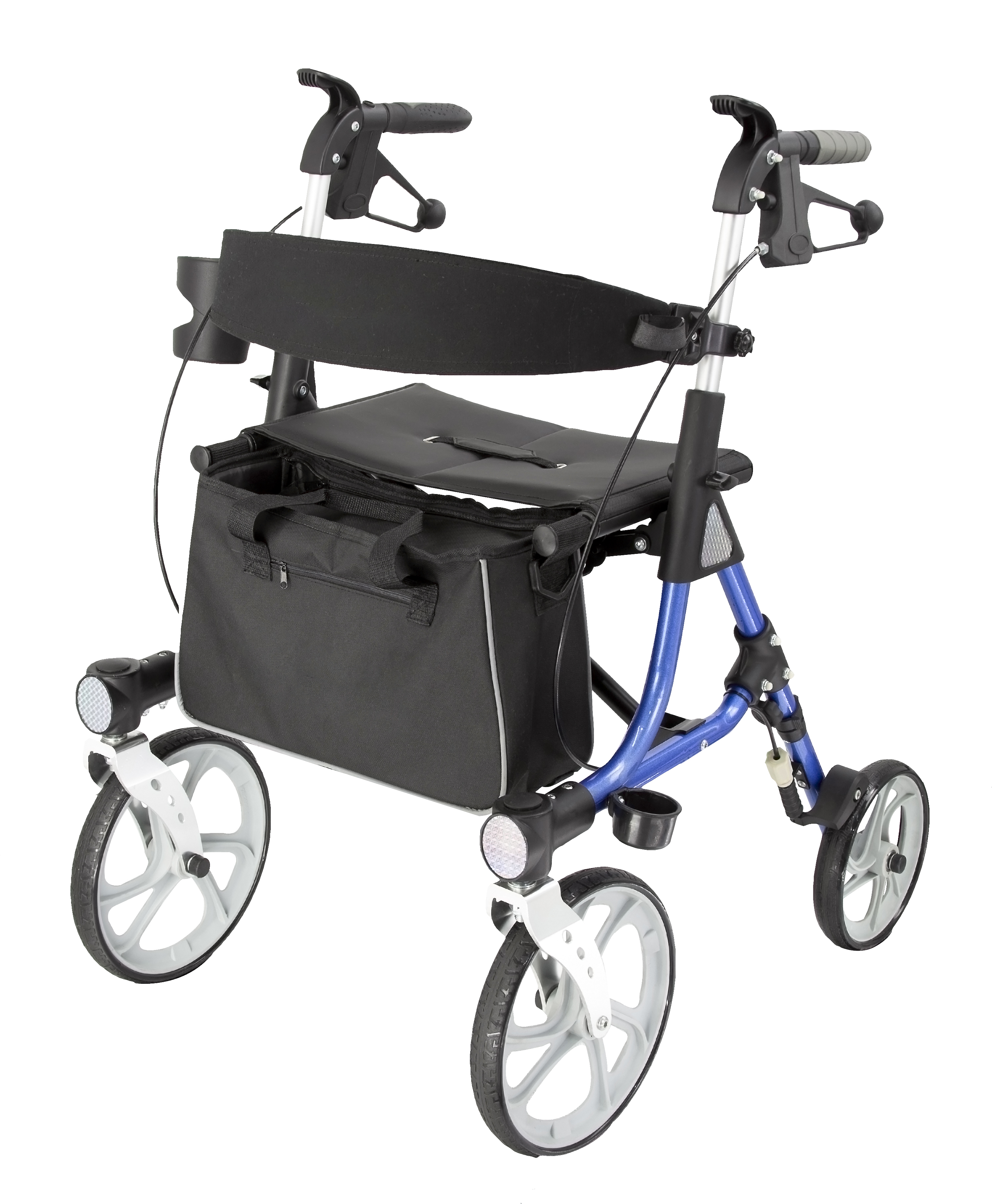
The rollator with ergonomic backrest delivers critical clinical and operational value for modern healthcare facilities. This article examines how these innovations reduce risk, improve patient comfort, and streamline workflows, supporting superior procurement outcomes.
1. Long-Term Patient Safety Benefits
Ergonomic backrests are a proven intervention for reducing:
Incidence of falls and injury during use or rest periods.
Risks of posture-related discomfort and chronic musculoskeletal problems.
Patient transfer complications due to unstable seating or improper back support.
2. Optimizing Patient Experience and Compliance
The rollator with ergonomic backrest enhances comfort and adherence to clinical protocols:
Contours and padding encourage longer, safer usage for rehabilitation or daily living.
Reduces anxiety, supporting active participation in therapy or independent movement.
Boosts satisfaction, reflected in improved feedback and outcomes data.
3. Supporting Staff and Facility Efficiency
Ergonomic rollators reduce labor and equipment burdens for care teams:
Minimizes need for frequent repositioning or additional comfort equipment.
Faster patient handling and easier infection control with modular, easy-clean backrests.
Fewer equipment-related incidents and maintenance calls.
4. Cost-Effectiveness and Lifecycle Management
Operational savings add up for procurement leaders:
Lower risk of costly complications, claims, or readmissions due to improper seating.
Durable materials and standardized parts reduce replacement cycles and spare part costs.
Comprehensive warranties and supplier support ensure investment longevity.
5. Advanced Procurement Strategies
Best practices for sourcing rollator with ergonomic backrest include:
Evaluating supplier data on patient outcomes and product durability.
Piloting solutions with high-risk patient populations before large-scale rollout.
Engaging clinicians in product trials and feedback for evidence-based selection.
Conclusion
The rollator with ergonomic backrest stands out for its risk reduction, user comfort, and operational value. Healthcare buyers who prioritize these innovations realize both immediate and long-term benefits for their organizations, staff, and patients.
Rollator with Ergonomic Backrest
Healthcare Risk Reduction Rollator
Operational Value Mobility Aid
Fall Prevention Rollator
Posture Support Walker
Patient Compliance Rollator
Staff Efficiency Mobility Device
Clinical Procurement Rollator
Lifecycle Management Rollator
Durable Healthcare Rollator
Cost-Effective Mobility Aid
Easy-Clean Backrest Walker
Therapy Compliance Rollator
Patient Feedback Mobility Device
Ergonomic Design Healthcare Buyer
Rollator with Ergonomic Backrest
Clinical Outcome Mobility Aid
Care Team Mobility Efficiency
Risk Management Rollator
Supplier Warranty Rollator
Evidence-Based Mobility Device
Patient Trial Rollator
Standardized Parts Mobility Aid
Replacement Cycle Rollator
Procurement Best Practices Rollator
Product Durability Mobility Walker
Modular Backrest Rollator
High-Risk Patient Rollator
Infection Control Mobility Device
Rollator with Ergonomic Backrest
For more details, please visit:www.relaxsmithrollator.com