





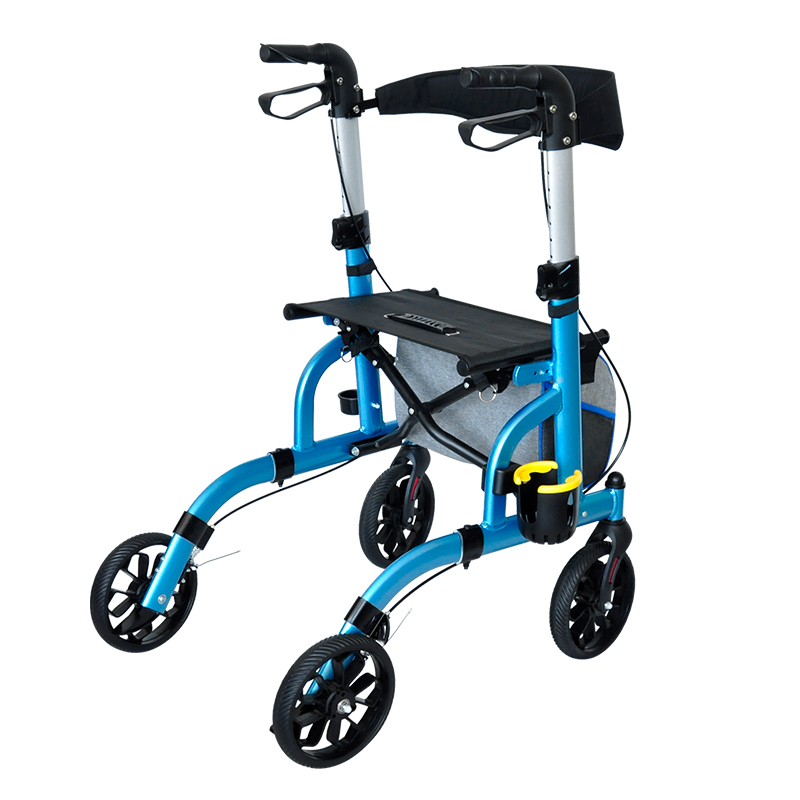
Rollator Supply Chain Optimization: Reducing Lead Times Without Increasing Supplier Risk

Rollator supply chain optimization is a balancing act—delivering products faster to care institutions and hospitals while managing supplier risk and maintaining quality standards. This blueprint outlines practical strategies for supply chain, procurement, and risk management professionals to reduce lead times, increase flexibility, and ensure resilient mobility aid delivery.
1. Mapping and Assessing the Current Supply Chain
Begin with a detailed mapping of the existing supply chain: manufacturers, component suppliers, logistics partners, and distribution centers. Identify bottlenecks, redundancies, and at-risk nodes.
Gather supplier lead time and reliability data
Conduct risk assessments for each supply chain node
Survey inventory buffer levels at each stage
2. Leveraging Supplier Diversification and Dual Sourcing
Avoid over-dependence on single suppliers by developing a diversified network. Dual sourcing for critical SKUs enhances supply chain flexibility and helps avoid disruptions from supplier-specific issues.
Qualify secondary suppliers for all major SKUs
Negotiate framework agreements with multiple partners
Develop contingency plans for supplier failure scenarios
3. Digital Procurement and Real-Time Tracking
Adopt digital procurement platforms and IoT tracking for real-time visibility into order status and shipment progress. This data supports proactive inventory planning and rapid problem resolution.
Implement supplier portals and order tracking dashboards
Use predictive analytics to anticipate supply chain disruptions
Automate exception reporting and alerts
4. Streamlining Inventory Management and Demand Planning
Collaborate with suppliers on accurate demand forecasting and just-in-time (JIT) inventory models. Monitor usage trends and adjust order cycles to align with clinical needs and avoid excess inventory.
Share real-time demand data with suppliers
Use JIT and safety stock strategies for flexibility
Review and adjust minimum order quantities quarterly
5. Continuous Improvement and Risk Monitoring
Schedule regular supply chain risk reviews
Benchmark lead times and supplier performance against industry standards
Invest in staff training and digital tool adoption
Conclusion: Building a Resilient, Responsive Rollator Supply Chain
Rollator supply chain optimization requires a holistic approach—combining digital tools, supplier diversification, and rigorous risk management to deliver both speed and reliability for healthcare procurement.
For more details, please visit: www.relaxsmithrollator.com