



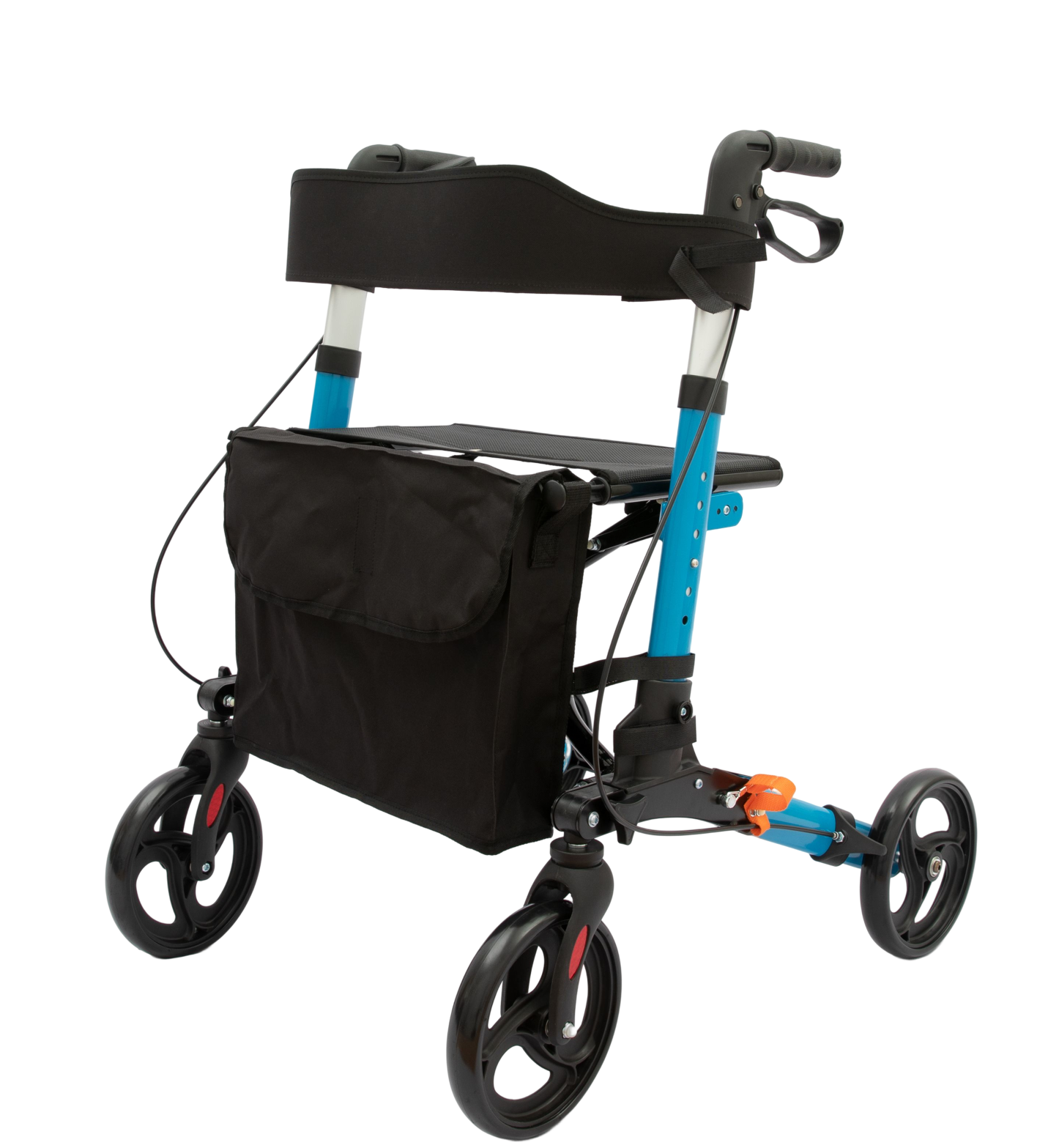
Smart Features & Digital Integration: The Next Wave in Ergonomic 3-Wheel Rollators
Abstract
This article explores how the convergence of smart technology and digital integration is transforming the future of ergonomic 3-wheel rollators. It highlights emerging trends, market drivers, and practical steps for product managers and supply chain professionals to leverage digital mobility solutions for superior user outcomes.
1. Introduction
As technology rapidly advances, mobility aids are evolving from simple mechanical devices into intelligent, connected solutions. Ergonomic Design Trends in Mobility Aids: The Future of 3-Wheel Rollators is now being redefined by the integration of smart features—making products safer, more responsive, and tailored to the needs of modern users.
For product and supply chain managers, the challenge and opportunity lie in translating digital trends into real-world, value-driven products.
2. The Digital Revolution in Mobility Aids
- Connected Devices: Integration of Bluetooth, Wi-Fi, and cellular modules enables real-time communication between rollators, users, caregivers, and healthcare systems.
- Sensor Technology: Embedded accelerometers, gyroscopes, load cells, and proximity sensors monitor user motion, stability, and activity.
- Data-Driven Care: Usage and health data are securely shared to enable personalized care, early intervention, and remote monitoring.
3. Key Smart Features in Next-Gen 3-Wheel Rollators
- Fall Detection: Automatic alerts are sent to caregivers or emergency contacts if a user experiences a fall or abnormal motion pattern.
- Location Tracking: GPS modules track user location outdoors, improving safety and supporting independence.
- Usage Analytics: Devices record walking distance, time spent active, posture quality, and other metrics for users and clinicians.
- Health Reminders: Integrated apps provide medication reminders, hydration prompts, and encouragement to maintain healthy activity levels.
- Voice Control & Digital Assistants: Integration with smartphones or smart speakers allows hands-free operation, ideal for users with dexterity challenges.
These innovations are central to Ergonomic Design Trends in Mobility Aids: The Future of 3-Wheel Rollators.
4. User Experience: Balancing High-Tech with Simplicity
- Intuitive Interfaces: Large, tactile buttons and simple displays ensure accessibility for users with limited vision or dexterity.
- Personalization: Customizable alerts, sounds, and controls make smart rollators comfortable and non-intrusive.
- Privacy & Security: Data encryption and user-controlled permissions safeguard sensitive health information.
5. Integration with Healthcare Ecosystems
- Electronic Health Records (EHR): Smart rollators can sync data with EHR systems for physician review and care plan adjustments.
- Remote Patient Monitoring (RPM): Clinicians receive alerts and status reports to intervene early and prevent complications.
- Family and Caregiver Apps: Secure platforms allow loved ones to monitor progress and provide support even from a distance.
6. Engineering and Supply Chain Considerations
- Component Sourcing: Selecting reliable sensors, chips, and connectivity modules is critical for product performance.
- Testing and Compliance: Products must meet medical device regulations (FDA, CE, ISO) and pass cybersecurity audits.
- Global Scalability: Designs must account for varied connectivity infrastructure and local digital regulations in different markets.
7. Market Adoption and Success Stories
- Early Market Leaders: Several European and Asian brands have launched smart rollators with fall detection, GPS, and cloud analytics, reporting improved user safety and customer engagement.
- Healthcare Partnerships: Integration with hospital systems and telemedicine platforms has created new value propositions and reimbursement pathways.
- User Feedback: Surveys indicate high satisfaction among seniors and caregivers with devices that combine ergonomic excellence and digital convenience.
8. Challenges and Future Opportunities
- Cost vs. Value: Smart features increase production costs but can reduce hospitalizations and improve quality of life, delivering ROI for payers and users.
- Digital Literacy: Ongoing user education and support are needed to maximize adoption among older populations.
- Interoperability: Future devices must integrate seamlessly with broader smart home and digital health systems.
- Continuous Innovation: AI-driven analytics, predictive maintenance, and even more immersive assistive features are on the horizon.
These frontiers will define Ergonomic Design Trends in Mobility Aids: The Future of 3-Wheel Rollators for years to come.
9. Conclusion: Shaping the Digital Mobility Future
Smart features and digital integration are not just trends but imperatives for the next generation of ergonomic rollators. Product managers and procurement teams who master both human and digital needs will deliver solutions that set new standards in user independence, health, and market competitiveness.
Related SEO Keywords (40 groups):
- smart rollator
- digital mobility aid
- IoT rollator
- sensor-enabled rollator
- fall detection mobility aid
- location tracking rollator
- remote monitoring device
- connected assistive device
- rollator health analytics
- app-enabled mobility aid
- voice control rollator
- elderly safety technology
- cloud-connected rollator
- health data rollator
- GPS mobility device
- AI mobility analytics
- digital health integration
- wearable sensor rollator
- user data privacy mobility
- remote patient monitoring
- personalized rollator features
- connected senior device
- medication reminder rollator
- hydration prompt device
- mobile health app integration
- digital medical device procurement
- smart supply chain mobility
- cybersecurity mobility aid
- ergonomic digital design
- electronic health record rollator
- global connectivity device
- market leader smart rollator
- digital literacy senior
- user interface accessibility
- predictive maintenance rollator
- AI-driven health alerts
- interoperable mobility device
- telemedicine rollator
- caregiver app mobility
- inclusive digital mobility
READ MORE:
- Global Supply Chain Optimization for Ergonomic Rollators: Trends & Best Practices
- User-Centered Product Development: From Research to Market in Mobility Aid Ergonomics
- Materials and Engineering: How Ergonomic Design Shapes 3-Wheel Rollator Performance
- Emerging Ergonomic Innovations in 3-Wheel Rollators: Meeting Modern User Needs





