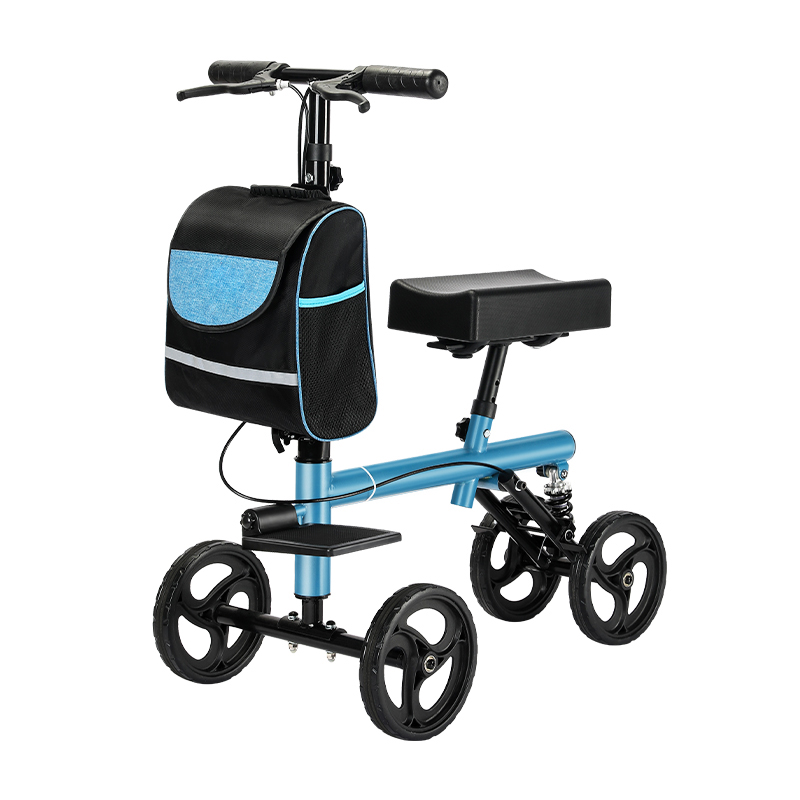
Staff Training with Ergonomic Walkers: Enhancing Safety and Efficiency
As industries become more aware of workplace ergonomics and employee well-being, the need for effective mobility solutions is increasing. One such solution—ergonomic walkers—is proving to be a valuable tool not only for individuals recovering from injuries, but also for employees who work in environments that require prolonged standing, walking, or carrying loads. However, without proper training, even the best tools can be underutilized or misapplied.
Why Ergonomic Walkers Matter in the Workplace
Ergonomic walkers are designed to support natural movement, reduce strain on joints, and encourage upright posture. In physically demanding industries such as manufacturing, logistics, and healthcare, these tools can help reduce fatigue, minimize injury risks, and improve productivity. Yet, to unlock their full potential, a structured training program is essential.
Designing a Training Program for Mobility Aid Use
A comprehensive staff training program should cover more than just the operational use of the walker. It must integrate:
Ergonomic education: Teach employees about posture, movement mechanics, and long-term health impact.
Hands-on practice: Allow trainees to use the walkers in simulated environments before implementation.
Customization: Show staff how to adjust height, armrests, or brake controls for their specific needs.
Safety scenarios: Demonstrate how walkers can be used in emergency evacuations or on slippery surfaces.
Real-World Implementation and Best Practices
Many companies choose to pilot ergonomic walker use within small departments before rolling out organization-wide. One example is a mid-sized distribution center in Texas, where 15 warehouse workers were trained using a 3-week ergonomic mobility program.
Results included:
Reduction of reported lower back pain cases by 35%;
Improved task completion speed for standing and walking jobs by 18%;
Positive feedback on comfort and ease-of-use from 87% of participants.
Managers noted that success depended on coaching quality. One-on-one guidance helped reinforce proper walker usage and encouraged adoption across teams.
Long-Term Benefits for Businesses and Teams
When implemented correctly, staff training with ergonomic walkers can deliver tangible long-term benefits:
Reduced employee turnover: Healthier staff means fewer resignations and replacements.
Lower insurance claims: Decrease in workplace injury reduces the company’s insurance liability.
Higher employee satisfaction: Ergonomically supported teams are more motivated and loyal.
Better compliance: Regulatory bodies like OSHA or ISO appreciate visible ergonomic policies.
Conclusion: Training as the Link Between Equipment and Outcome
Ergonomic walkers represent a significant step forward in occupational health, but their effectiveness is amplified by structured training programs. Organizations that invest in both equipment and knowledge empower their employees to perform better, safer, and with greater confidence.
For product managers, supply chain leaders, and HR directors, staff training is not just a box to tick—it is a strategic investment in your workforce's future.