


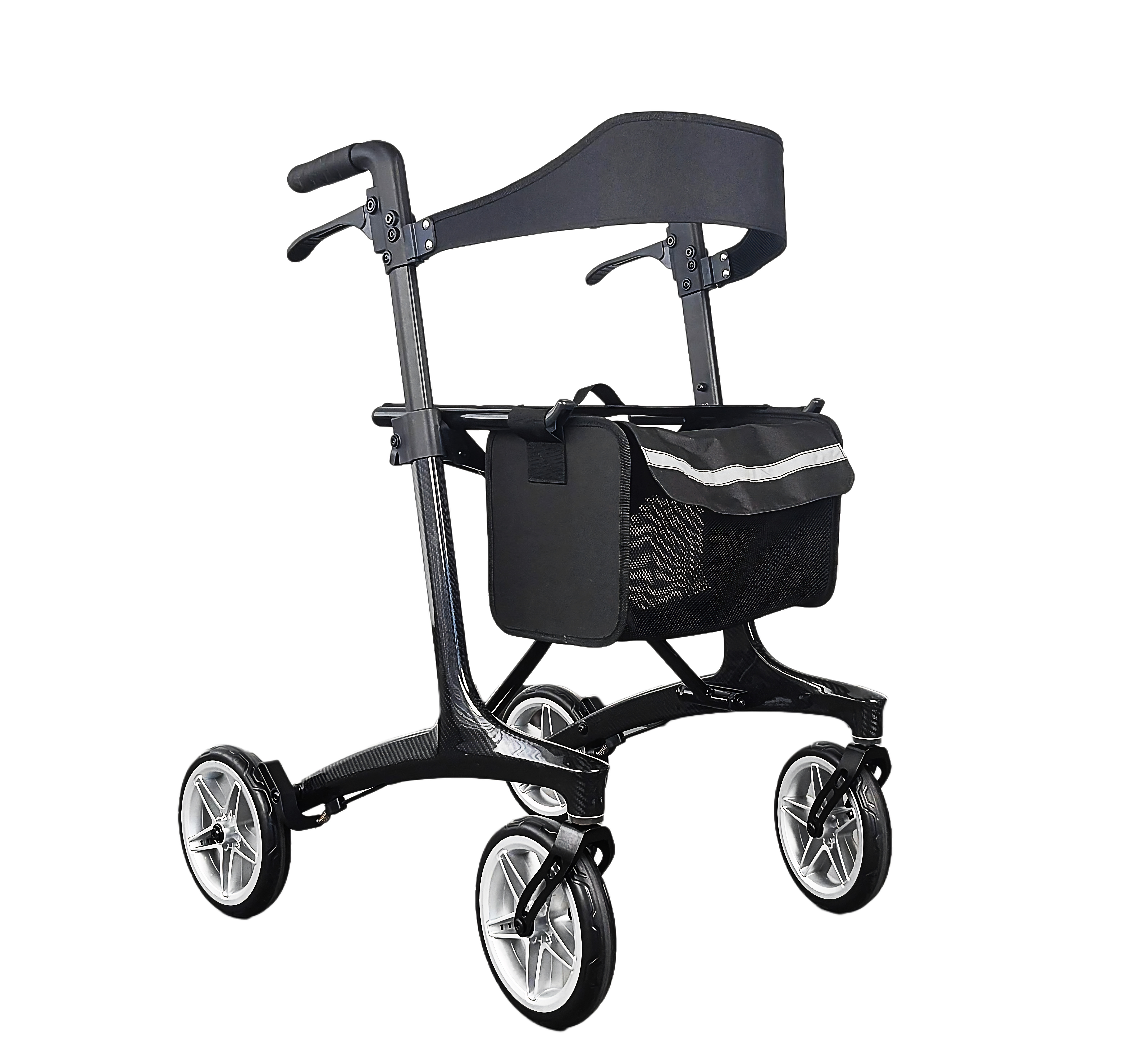
Strategic Benefits of Foldable Mobility Devices for Distributors: Lowering Warehouse and Transportation Costs

In the fast-paced B2B mobility industry, distributors face intense pressure to optimize every step of the supply chain—from factory floor to end-customer delivery. Warehouse capacity, shipping efficiency, and inventory flexibility all directly impact profitability and customer satisfaction. This article explores how Foldable Designs Simplify Storage and Logistics for Distributors, making them an essential differentiator for forward-thinking supply chain and procurement professionals.
Unlocking Space Savings in Modern Warehouses
For distributors, warehouse real estate is both a cost and a constraint. Traditional, non-foldable mobility devices require large amounts of racking and staging space. By contrast, foldable designs can be compacted down to a fraction of their in-use size, enabling:
Higher SKU density per square meter
More efficient cross-docking and short-term staging
Lower reliance on off-site storage or overflow capacity
Reduced risk of inventory damage from crowding or mishandling
The ability to store more units in the same footprint directly impacts inventory turns and order fulfillment speed, supporting lean logistics strategies.
Streamlining Packaging and Palletization
Shipping efficiency is a critical margin lever for distributors, especially as transportation costs rise. Foldable devices can be flat-packed or boxed at higher quantities per pallet, which means:
Reduced number of shipments per order
Lower freight costs per unit
Increased load stability and reduced in-transit damage
Faster container loading and unloading times
By maximizing utilization of every pallet and container, Foldable Designs Simplify Storage and Logistics for Distributors at every transportation stage—from manufacturer to DC, DC to regional warehouse, and all the way to final customer drop-off.
Flexible Inventory Management and Demand Responsiveness
Seasonality and fluctuating B2B demand require mobility distributors to stay nimble. Foldable designs make it possible to:
Stock a broader selection of SKUs in less space
Respond quickly to demand spikes with rapid restocking
Consolidate inbound and outbound shipments for mixed-model orders
Support omni-channel fulfillment models, including direct-to-end-user dropship
Such flexibility can help distributors win large accounts, meet customer SLAs, and reduce costs from overstock or emergency shipments.
Improved Returns Handling and Reverse Logistics
Returns and product swaps are unavoidable in B2B mobility distribution. Foldable devices can be repacked for easier, less expensive return shipments and streamlined refurbishment or recycling. This enhances sustainability efforts, shortens return cycles, and further cuts costs throughout the product lifecycle.
Conclusion: The Competitive Edge of Foldable Designs
As B2B procurement and supply chain managers look to future-proof their operations, foldable mobility devices offer a compelling, multi-dimensional value proposition. From warehouse space optimization to lower shipping costs and more responsive inventory strategies, Foldable Designs Simplify Storage and Logistics for Distributors—enabling growth, resilience, and operational excellence in a rapidly changing marketplace.
SEO Keywords (40 groups for this series)
Foldable mobility device distribution
Warehouse optimization foldable
Flat-pack mobility aid
Palletization logistics
Inventory density solutions
Distribution center efficiency
Lean mobility warehousing
Freight cost reduction rollator
Space-saving product design
SKU flexibility supply chain
Demand-driven inventory
Reverse logistics foldable
Returnable packaging mobility
Mobility device fulfillment
Order consolidation logistics
Supply chain resilience rollator
Seasonal inventory mobility
Omni-channel distribution aid
Warehouse staff productivity
In-transit damage reduction
Distributor cost savings
Direct-to-user dropship mobility
Procurement logistics strategy
Mobility product lifecycle
Refurbishment return process
Supply chain innovation
Mobility device modularity
Resilient distribution planning
Customer SLA logistics
B2B mobility device storage
Warehouse overflow reduction
Mobility device case study
Distributor warehouse trends
Efficient shipping foldable
Space utilization rollator
Product repackaging
Inventory risk management
Supply chain flexibility mobility
Foldable Designs Simplify Storage and Logistics for Distributors
Tags:
Foldable mobility device distribution, Warehouse optimization foldable, Flat-pack mobility aid, Palletization logistics, Inventory density solutions, Distribution center efficiency, Lean mobility warehousing, Freight cost reduction rollator, Space-saving product design, SKU flexibility supply chain, Demand-driven inventory, Reverse logistics foldable, Returnable packaging mobility, Mobility device fulfillment, Order consolidation logistics, Supply chain resilience rollator, Seasonal inventory mobility, Omni-channel distribution aid, Warehouse staff productivity, In-transit damage reduction, Distributor cost savings, Direct-to-user dropship mobility, Procurement logistics strategy, Mobility product lifecycle, Refurbishment return process, Supply chain innovation, Mobility device modularity, Resilient distribution planning, Customer SLA logistics, B2B mobility device storage, Warehouse overflow reduction, Mobility device case study, Distributor warehouse trends, Efficient shipping foldable, Space utilization rollator, Product repackaging, Inventory risk management, Supply chain flexibility mobility, Foldable Designs Simplify Storage and Logistics for Distributors


