





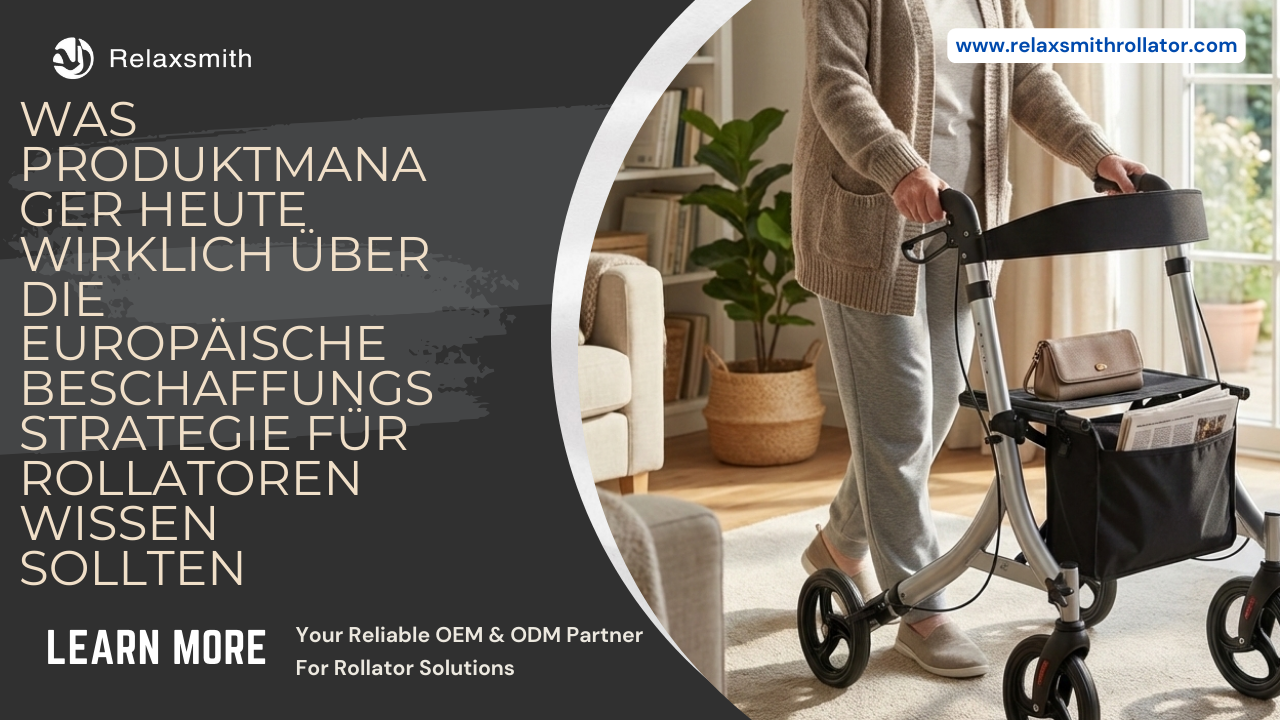
Strategic Rollator Selection: Evaluating Impact in Diverse Clinical Settings
Procurement in healthcare is a nuanced process—especially when evaluating high-use items like rollators. These devices play a vital role in supporting mobility and reducing fall risk for patients across multiple care environments. With so many variables at play, how can procurement teams confidently choose models that will perform effectively over time?
Identifying Key Use Cases
First, define where the rollators will be used. In-patient rehab clinics may prioritize different features than long-term care homes or outpatient services. For instance, adjustable handle heights and compact storage might be critical in rehab settings, while ease of cleaning and robustness take priority in nursing homes.
Examples in Practice
A major care network in Colorado trialed three rollator models across their geriatric and stroke rehab units. They found that patients recovering from hip surgeries preferred wider, cushioned seats and easier brake activation, while stroke patients required frame stability and maneuverability. Based on this feedback, the network selected two distinct models for separate departments—aligning functionality to need.
Quantifying Long-Term Value
Procurement teams often face budget limitations, but focusing on lifecycle costs over sticker price reveals the best choices. In a case from a hospital in Florida, replacing mid-grade rollators with premium models cut repair requests in half over 18 months. The savings on parts and staff time offset the upfront investment, while patient satisfaction scores also improved.
Use metrics like:
- Breakage rates and repair frequency
- Patient injury incidents related to mobility aids
- User-reported satisfaction
- Time to clean and maintain equipment
These can guide better purchasing decisions rooted in evidence.
Stakeholder Involvement
Many successful procurement projects start with collaboration. Involve clinicians, physical therapists, patients, and facility management early. Ask questions such as:
- What rollator features ease the caregiving workload?
- Do current models meet patient strength and balance needs?
- Are storage and transportation practical?
In one UK hospital, a patient advisory panel helped evaluate rollator prototypes. Their feedback led to a custom-built option with height markers and simplified folding, ultimately adopted system-wide.
Vendor Evaluation and Negotiation
Beyond product specs, evaluate vendor reliability, warranty terms, and support services. Some procurement officers bundle staff training, trial periods, or maintenance kits into contracts, boosting value.
It’s also worth running a brief pilot with vendor finalists. A week of real-world use often reveals product weaknesses or standout features that lab testing cannot.
Safety Is Non-Negotiable
Rollators directly impact fall risk. Ensure models have non-slip grips, durable brakes, and strong frames. Poor performance here can lead to injury, legal exposure, and reputational damage. Never trade safety for cost savings.
rollator procurement
clinical product selection
rehab device trials
durability in healthcare
equipment lifecycle
user-driven design
vendor vetting
assistive tech
healthcare innovation
mobility equipment
patient safety
hospital supply chain
purchasing best practices
ROI medical gear
collaborative procurement
clinical usability
stakeholder involvement
long-term care gear
mobility evaluation
real-world testing
Strategic Rollator Procurement
Clinical Rollator Testing Guide
Rehabilitation Equipment Evaluation
Vendor Support Rollator Purchase
Healthcare Mobility Innovation
Patient-Focused Equipment Choice
Medical Procurement Case Study
Durable Rollator Selection
Hospital Equipment Strategy
Mobility Aid Lifecycle Costing
Safe Equipment Decision-Making
Rehab Patient Preferences
Cost-Effective Rollator Solutions
Procurement Workflow Healthcare
Collaborative Buying Healthcare
Assistive Tech Feedback
Hospital Gear Performance
Therapist-Approved Devices
ROI-Based Healthcare Buying
Patient Injury Prevention
Health Facility Equipment Audit
Real-Life Usability Metrics
Custom Mobility Equipment
Long-Term Product Trials
Senior Rehab Tools
Healthcare Vendor Comparison
Functional Medical Gear
Mobility Device Efficiency
Staff-Friendly Equipment
Data-Informed Equipment Buying
For more details, please visit:www.relaxsmithrollator.com