





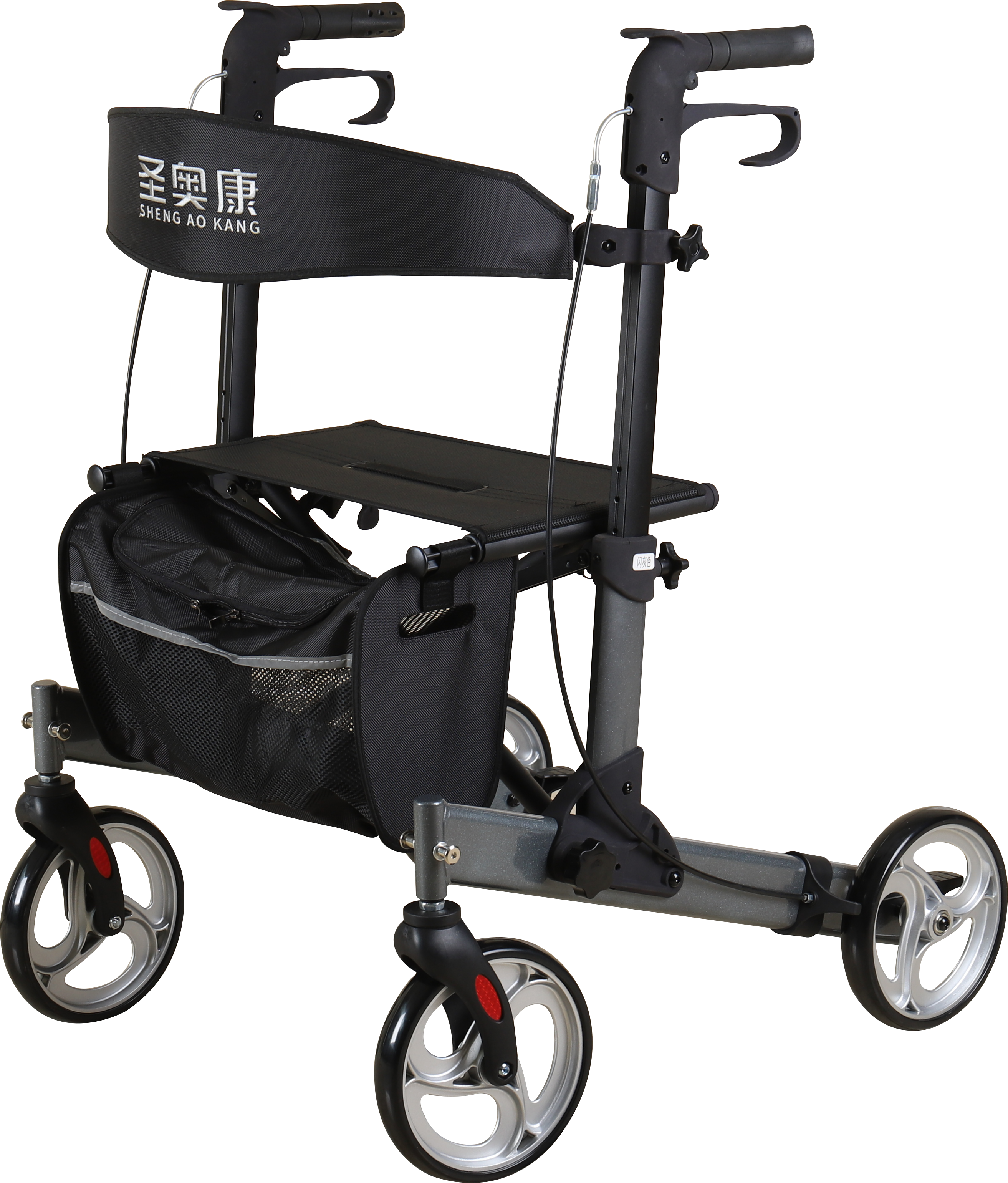
Supplier Collaboration: Partnering for Standardized Rehabilitation Walker Procurement
Achieving unified procurement standards for rehabilitation walkers is only possible through effective collaboration with suppliers. In today’s multi-site healthcare environment, partnerships must go beyond basic transactional relationships, evolving toward strategic alliances that drive value, efficiency, and compliance. This article examines the essential role of supplier collaboration in the standardization procurement rehabilitation walker process and outlines practical steps for success.
Why Supplier Partnerships Matter
Suppliers are not just vendors—they are critical partners in shaping the quality, availability, and consistency of rehabilitation walkers. By fostering strong supplier relationships, healthcare organizations can better align procurement practices, support standardization, and ensure access to the latest innovations in rehabilitation walker technology.
Key Elements of Effective Supplier Collaboration
1. Shared Goals and Transparency
Open communication and clear, shared objectives lay the groundwork for successful collaboration. Standardization procurement rehabilitation walker projects benefit from transparency in pricing, lead times, and product specifications.
2. Joint Specification Development
Involving suppliers early in the standardization process ensures that product specifications are realistic, achievable, and aligned with operational needs across all healthcare sites.
3. Performance Metrics and Feedback Loops
Collaborative procurement programs set measurable KPIs for delivery, quality, and cost. Ongoing performance reviews and two-way feedback enable continuous improvement and responsiveness.
Steps for Building Successful Supplier Partnerships
Supplier Selection: Evaluate potential partners based on experience with standardization procurement rehabilitation walker programs, product quality, and support services.
Contract Management: Draft clear agreements detailing expectations for performance, compliance, and innovation sharing.
Regular Communication: Establish structured forums for dialogue, information exchange, and problem-solving.
Risk Sharing: Create incentives for suppliers to manage risk proactively, particularly around supply chain disruptions and product recalls.
Outcomes of Collaborative Procurement
Healthcare organizations that prioritize supplier collaboration achieve higher rates of compliance with unified procurement standards, reduce total cost of ownership, and improve clinical outcomes. Strategic supplier relationships empower procurement leaders to anticipate challenges and capitalize on emerging opportunities in the rehabilitation walker market.
Conclusion
Supplier collaboration is the cornerstone of standardization procurement rehabilitation walker success in multi-site healthcare systems. By partnering closely with suppliers, organizations can drive value, innovation, and operational excellence throughout the procurement lifecycle.
For more details, please visit: https://smartelderlycare.com/