





_compressed.png)
Supply Chain Considerations for Rollators That Support Strength Exercises
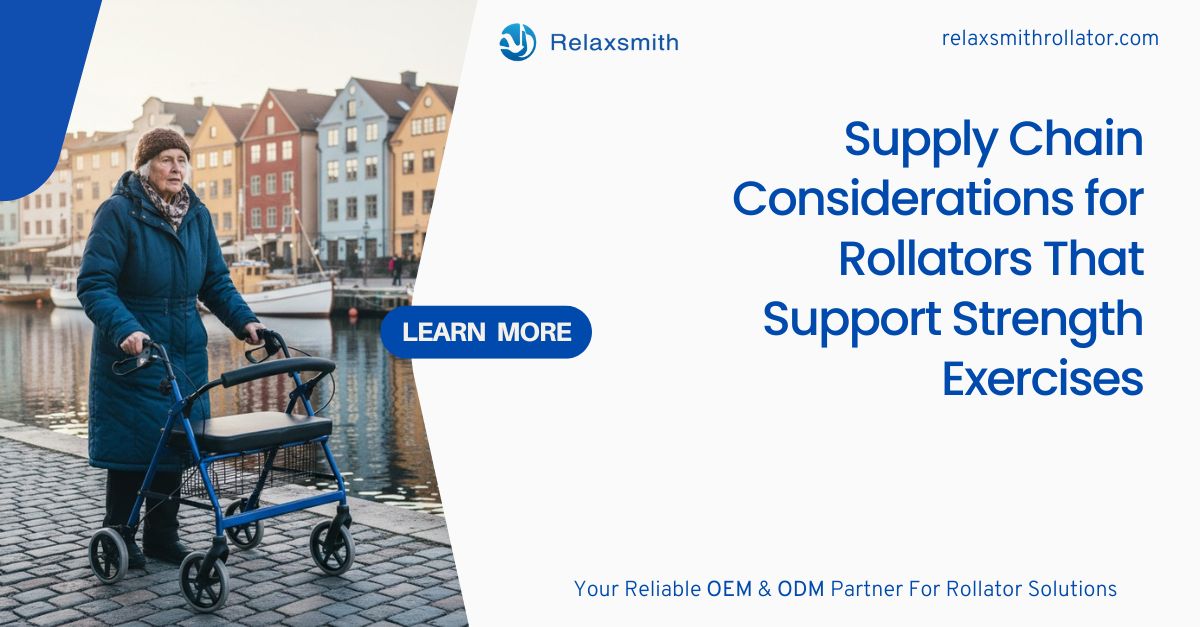
Professionals in procurement and supply chain roles face unique challenges when sourcing rollators that go beyond mobility to include therapeutic value. This article outlines the specific technical and logistical considerations required to deliver rollators that enable end-users to build strength with rollator. From material selection and testing protocols to vendor audits and fulfillment cycles, each supply chain element plays a critical role in enabling clinical-strength outcomes.
1. Material and Component Durability
Rollators designed for strength training must support repetitive dynamic loads. This requires aluminum or reinforced steel frames tested beyond static use standards. Footings, grips, and brake cables should be tested under active stress environments. Procurement should request certifications tied to these stress scenarios to ensure safety during exercises to build strength with rollator.
2. Accessory Compatibility and Modularity
For strength-based use cases, modular design is not just a design bonus—it’s a requirement. Swap-in resistance attachments, anti-tip back legs, or squatting assist handles add value to therapy centers. Supply managers should look for vendors that offer upgrade-ready rollator platforms.
3. Quality Assurance and Stress Testing
Vibration, impact, and repetitive weight-bearing testing should be part of pre-shipment QA. Products intended to build strength with rollator need to meet fatigue resistance thresholds similar to gym or rehab-grade equipment.
4. Supply Continuity and Spare Part Assurance
Clinical rehab centers or government procurement departments often require 3-5 year support cycles. Supply managers should negotiate rollator deals that include long-term part availability—especially brakes, grips, and frames.
5. Vendor Selection and Regulatory Adherence
Manufacturers who design for ISO 11199-2, EN 12182, and similar rehab equipment standards are more likely to support safety needs. Prioritize vendors who integrate with EDI or traceability systems to ensure lot-by-lot compliance.
Conclusion
A rollator that enables users to build strength with rollator is not simply a commodity product—it’s a clinical tool. That means supply chain managers must consider strength-assist use cases when evaluating vendors, documentation, and logistics plans. With the right focus on modularity, testing, and long-term support, rehab-ready rollators become a long-term mobility asset.
SEO Keywords (40 groups for this series)
rollator supply chain
rollator procurement guide
build strength with rollator
durable rehab rollator
clinical-grade rollator
rollator modular design
rollator quality assurance
strength-assist mobility aid
rollator for physical therapy
ISO certified rollator
rollator material strength
rollator vendor audit
long-term rollator support
rollator parts availability
mobility aid fatigue testing
rollator brake replacement
rollator accessory sourcing
adjustable rehab rollator
rollator weight bearing
rollator resistance use
modular rollator platform
rollator shock absorption
rollator structural integrity
rollator medical compliance
procurement rollator checklist
rollator QA protocol
rollator sourcing terms
EHR rollator traceability
rollator spare components
supply continuity rollator
high-stress rollator testing
rehab equipment standard
heavy-duty mobility aid
hospital-grade rollator
rollator lifecycle management
rollator framework upgrade
adaptive mobility design
rehab procurement standards
rollator sourcing process
supply chain ergonomic walker
Tags:
rollator supply chain, durable rehab rollator, modular mobility aid, procurement checklist, rehab equipment sourcing



