





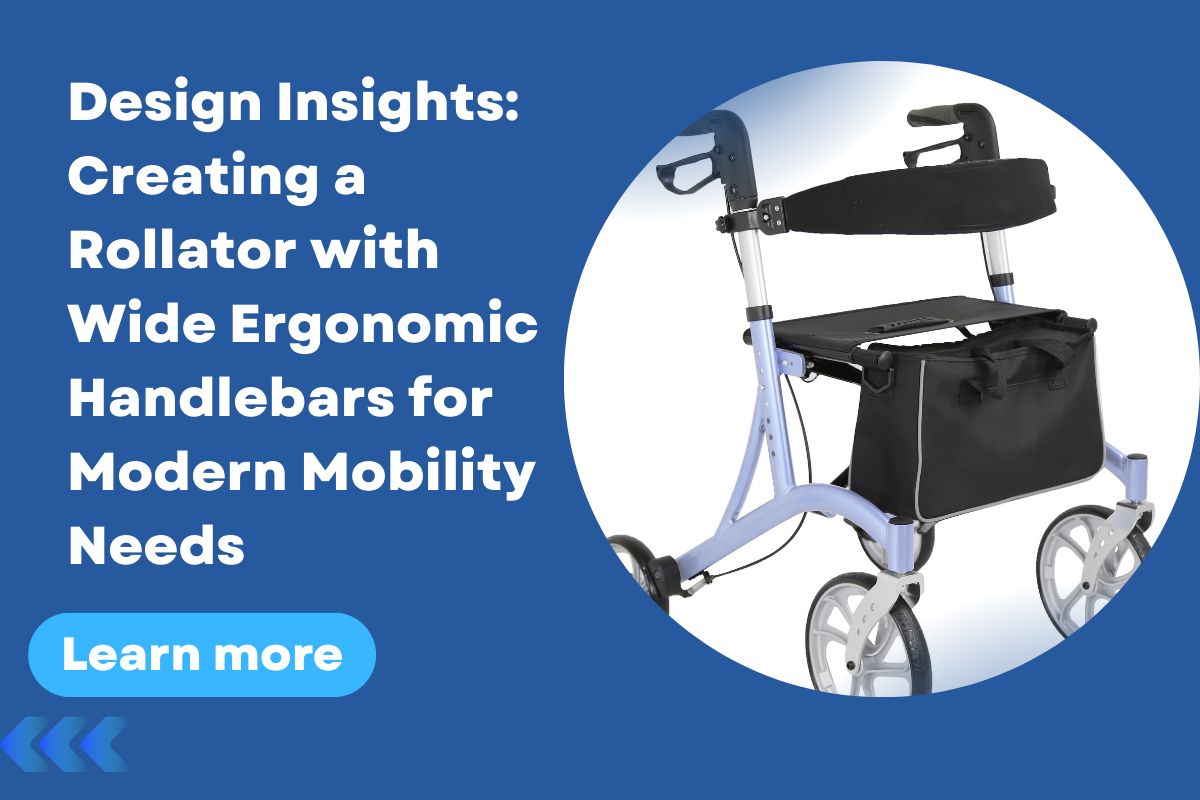
Supply Chain Optimization: Managing Inventory of Walker with Ventilated Backrest
For modern healthcare organizations and distributors, supply chain efficiency is no longer a luxury but a necessity—especially when managing high-demand, specialized products like the Walker with Ventilated Backrest. Procurement managers and supply chain directors are increasingly challenged to maintain the delicate balance between product availability, inventory costs, and patient satisfaction. This article delivers a practical and strategic roadmap for optimizing the supply chain and inventory management of walkers with ventilated backrests, ensuring reliable access for patients while controlling operational expenses.
As healthcare facilities and professional procurement teams embrace digital transformation, the integration of data-driven tools and best practices in inventory management becomes a competitive differentiator. Let’s explore key aspects, challenges, and solutions for achieving peak supply chain performance with this critical mobility device.
Demand Forecasting: Predictive Analytics for Accurate Planning
Accurate demand forecasting is essential for maintaining optimal stock levels without overstocking or risking shortages. Supply chain managers should leverage predictive analytics by integrating historical usage data, seasonal trends, patient demographics, and supplier lead times. For walkers with ventilated backrests, this means:
Analyzing past order patterns from different departments or facilities
Factoring in anticipated changes in patient volume, rehabilitation programs, or special campaigns
Using advanced software to simulate “what-if” scenarios and model demand spikes or slowdowns
Data-driven forecasting supports smarter procurement decisions, reducing emergency orders and associated costs.
Supplier Collaboration: Building Reliable Partnerships
Strong supplier relationships are a backbone of efficient inventory management. With products like the Walker with Ventilated Backrest, reliability and speed of delivery are crucial. Healthcare buyers should prioritize suppliers who can provide:
Transparent production schedules and stock updates
Rapid response to urgent orders or replenishments
Clear escalation paths for supply chain disruptions
Value-added services, such as drop-shipping or consignment inventory
Establishing Service Level Agreements (SLAs) with measurable performance indicators fosters accountability and ensures a steady, predictable supply.
Inventory Optimization: Lean Principles in Practice
Lean inventory management is about minimizing waste while maximizing availability. For product managers handling walkers with ventilated backrests, this means:
Implementing automated reorder points and just-in-time inventory strategies
Classifying products using ABC analysis—prioritizing high-turnover and high-value items
Regularly reviewing stock rotation and shelf life to prevent product obsolescence
Digital inventory systems enable real-time tracking and alerts, supporting faster, more accurate decision-making.
Technology Integration: The Digital Supply Chain Advantage
Modern supply chains are powered by technology. Integrating RFID tagging, cloud-based inventory management, and AI-powered analytics provides unprecedented visibility across the entire supply chain. For walkers with ventilated backrests, benefits include:
Tracking product movement from supplier to end-user
Automated alerts for low stock or expired items
Centralized dashboards for multi-facility inventory oversight
Data sharing with suppliers to streamline replenishment
These advancements empower supply chain leaders to anticipate issues, reduce bottlenecks, and optimize working capital.
Risk Management: Proactive Strategies for Continuity
Supply chain disruptions—caused by anything from raw material shortages to global events—require robust risk management strategies. For critical medical products such as the Walker with Ventilated Backrest, supply chain leaders should:
Maintain safety stock or buffer inventory for high-risk SKUs
Develop contingency plans with alternate suppliers
Regularly update risk assessments and business continuity plans
Proactive planning ensures patient needs are met without disruption, even in the face of unexpected challenges.
Sustainability and Cost Control: The New Supply Chain Imperative
Sustainability is a growing concern in healthcare supply chains. Procurement managers can improve both cost efficiency and environmental impact by:
Choosing walkers with ventilated backrests made from recyclable or eco-friendly materials
Partnering with vendors who embrace green logistics and packaging
Consolidating shipments to reduce transport emissions and costs
Effective cost control also involves ongoing vendor negotiation, periodic contract reviews, and benchmarking against industry best practices.
Continuous Improvement: Measuring and Enhancing Performance
Optimizing supply chain management is an ongoing process. Product managers and supply chain professionals should establish clear Key Performance Indicators (KPIs) such as fill rate, inventory turnover, and order accuracy. Regular performance reviews, staff training, and the use of dashboards to monitor metrics help drive continuous improvement.
In conclusion, the journey to supply chain excellence for walkers with ventilated backrests involves proactive forecasting, strategic vendor partnerships, lean inventory practices, advanced technology, risk management, and a commitment to sustainability. With these principles, healthcare organizations can ensure product availability, control costs, and deliver exceptional outcomes for both patients and professionals.
SEO 关键词(40组,贯穿本系列)
Ventilated backrest walker
Comfort grip walker
Ergonomic mobility aid
Workplace safety walker
Patient comfort walker
Adjustable walker design
Lightweight medical walker
Mobility solution for hospitals
Breathable backrest walker
Healthcare mobility innovation
Non-slip walker handles
Senior walker with airflow
Professional mobility equipment
Anti-fatigue walker
Walker with ergonomic support
Hospital supply walker
Medical device procurement
Supply chain mobility aid
Walker for long-term use
Safety-certified walker
Hospital-grade walker
Modern healthcare mobility
Mobility support procurement
Durable walker with backrest
Healthcare equipment manager
Patient-centric walker
Efficient mobility solution
Hospital procurement manager
Ventilated seat walker
Premium rollator walker
Walker with maintenance ease
Customizable medical walker
Mobility device for professionals
Comfort-focused walker
Workplace ergonomic walker
Anti-bacterial walker backrest
Walker with user safety
Occupational health walker
Mobility equipment for facilities
Walker for procurement teams
Tags:
Ventilated backrest walker, Comfort grip walker, Ergonomic mobility aid, Workplace safety walker, Patient comfort walker, Adjustable walker design, Lightweight medical walker, Mobility solution for hospitals, Breathable backrest walker, Healthcare mobility innovation, Non-slip walker handles, Senior walker with airflow, Professional mobility equipment, Anti-fatigue walker, Walker with ergonomic support, Hospital supply walker, Medical device procurement, Supply chain mobility aid, Walker for long-term use, Safety-certified walker, Hospital-grade walker, Modern healthcare mobility, Mobility support procurement, Durable walker with backrest, Healthcare equipment manager, Patient-centric walker, Efficient mobility solution, Hospital procurement manager, Ventilated seat walker, Premium rollator walker, Walker with maintenance ease, Customizable medical walker, Mobility device for professionals, Comfort-focused walker, Workplace ergonomic walker, Anti-bacterial walker backrest, Walker with user safety, Occupational health walker, Mobility equipment for facilities, Walker for procurement teams