






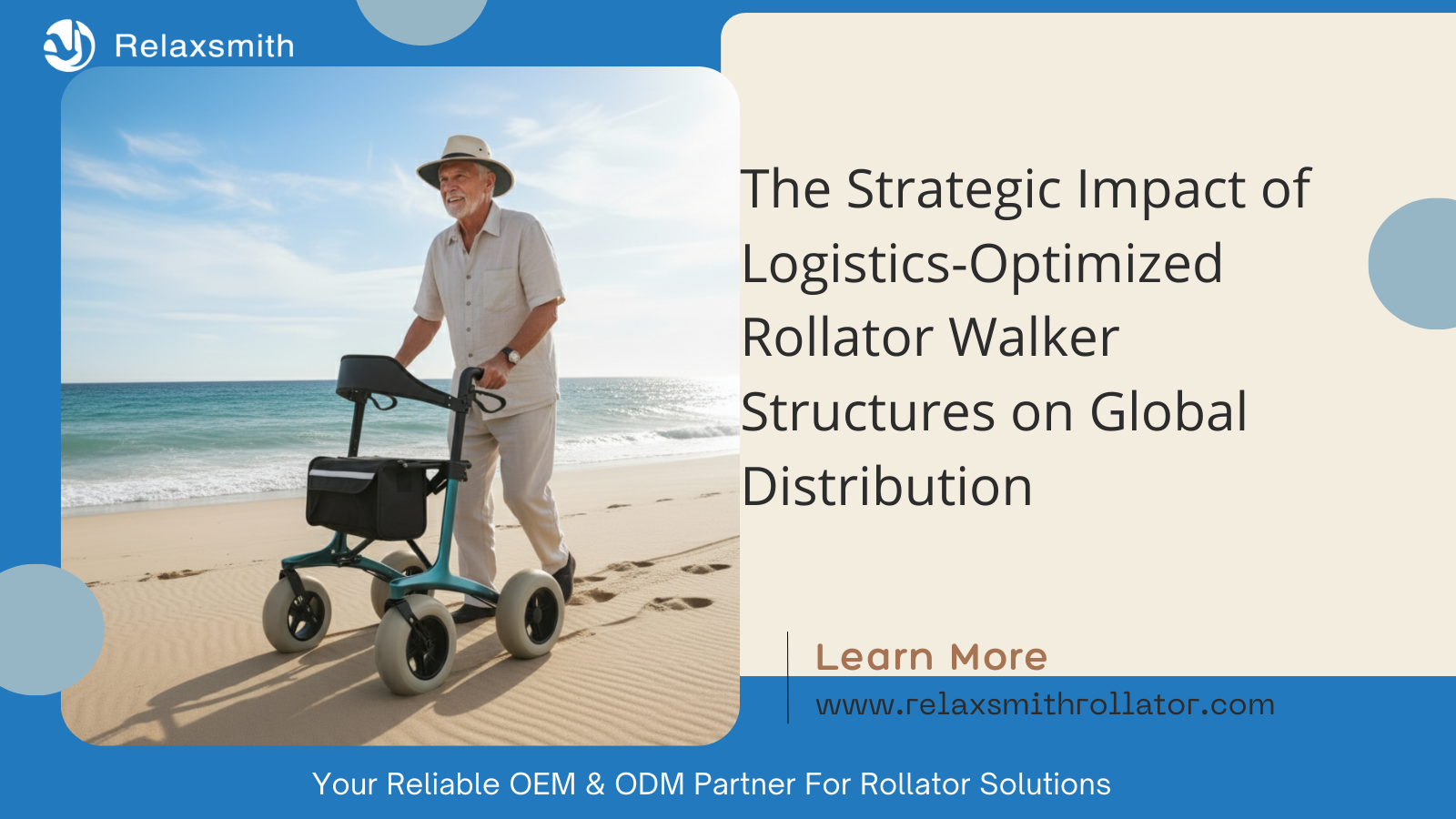
The Strategic Impact of Logistics-Optimized Rollator Walker Structures on Global Distribution
Logistics-optimized rollator walker structures are revolutionizing the way mobility aids are distributed globally. This article explores how these specialized rollator designs are fundamentally improving efficiency, reducing costs, and providing strategic value across international supply chains. Whether you are a product manager, procurement leader, or supply chain executive, understanding the logistics-optimized rollator walker’s structural influence is critical for making informed, high-impact decisions in today’s fast-evolving market.
1. Aligning Product Design with International Shipping Demands
One of the greatest barriers to efficient global distribution of mobility aids has always been physical structure—shape, size, and modularity. Logistics-optimized rollator walker structures are engineered to meet the strictest shipping and storage requirements without compromising user safety or comfort. By focusing on collapsibility, stackability, and modular assembly, manufacturers help distributors maximize container capacity and minimize freight costs. The logistics-optimized rollator walker’s intelligent structure allows for rapid breakdown and easy reassembly, streamlining warehousing and last-mile delivery for complex international routes.
2. Supply Chain Integration and Real-Time Visibility
Integrating logistics-optimized rollator walker structures with digital supply chain systems enhances real-time inventory tracking, shipment status, and route optimization. RFID-enabled components and smart packaging allow for granular oversight from manufacturing through to end-customer delivery. As a result, procurement managers and product owners can more accurately forecast inventory needs, reduce lead times, and quickly identify inefficiencies. The supply chain agility provided by logistics-optimized rollator walker structure integration can be the difference between market leadership and costly delays in global operations.
3. Cost Reduction Through Material and Packaging Innovation
Cost control is essential for any global distribution strategy. Logistics-optimized rollator walker structures are developed with advanced materials and lightweight designs, reducing shipping weights and associated costs. Intelligent packaging—such as reusable crates or space-saving cartons—ensures that products remain protected while minimizing wasted space. These design choices enable procurement managers to negotiate better shipping rates and support green logistics initiatives by reducing carbon emissions per unit delivered.
4. Regulatory Compliance and International Certification
Global distribution efficiency relies on meeting diverse regulatory standards across countries. Logistics-optimized rollator walker structures are engineered to comply with international certifications, ensuring seamless customs clearance and reducing delays. Manufacturers collaborate with compliance experts to design for health and safety, ergonomic standards, and eco-friendly requirements. This proactive approach simplifies documentation, accelerates market entry, and reduces the risk of cross-border shipment issues.
5. Customer-Centric After-Sales and Reverse Logistics
Efficient after-sales support and reverse logistics are vital for product managers and procurement specialists. Logistics-optimized rollator walker structures are designed for easy parts replacement, warranty servicing, and end-of-life recycling. The modularity of components not only supports customer satisfaction and brand loyalty but also facilitates returns, repairs, and upgrades with minimal supply chain disruption. This customer-first strategy helps brands stand out in a competitive market and builds long-term business relationships worldwide.
Relevant Product, Service, and Customer Groups for SEO:
Global logistics optimization
Supply chain efficiency
International distribution
Procurement solutions
Mobility aid design
Rollator walker supply
Smart packaging
Container maximization
RFID supply chain
Warehousing innovation
Last-mile delivery
Green logistics
Carbon reduction
Compliance management
Health & safety certification
Ergonomic design
Warranty servicing
Parts replacement
After-sales logistics
Reverse supply chain
Customs clearance
International standards
Procurement leadership
Market entry strategy
Distribution innovation
Product manager solutions
Supply chain resilience
Brand loyalty logistics
Business relationship management
Eco-friendly supply chain
Rollator walker manufacturing
Freight cost reduction
Warehouse automation
Inventory visibility
Distribution network design
Component modularity
Collapsible product design
Space-saving packaging
Recycling initiatives
Product upgrades
Senior mobility innovation
Global logistics optimization
Supply chain efficiency
International distribution
Procurement solutions
Mobility aid design
Rollator walker supply
Smart packaging
Container maximization
RFID supply chain
Warehousing innovation
Last-mile delivery
Green logistics
Carbon reduction
Compliance management
Health & safety certification
Ergonomic design
Warranty servicing
Parts replacement
After-sales logistics
Reverse supply chain
Global logistics optimization
Supply chain efficiency
International distribution
Procurement solutions
Mobility aid design
Rollator walker supply
Smart packaging
Container maximization
RFID supply chain
Warehousing innovation
Last-mile delivery
Green logistics
Carbon reduction
Compliance management
Health & safety certification
Ergonomic design
Warranty servicing
Parts replacement
After-sales logistics
Reverse supply chain
Customs clearance
International standards
Procurement leadership
Market entry strategy
Distribution innovation
Product manager solutions
Supply chain resilience
Brand loyalty logistics
Business relationship management
Eco-friendly supply chain