



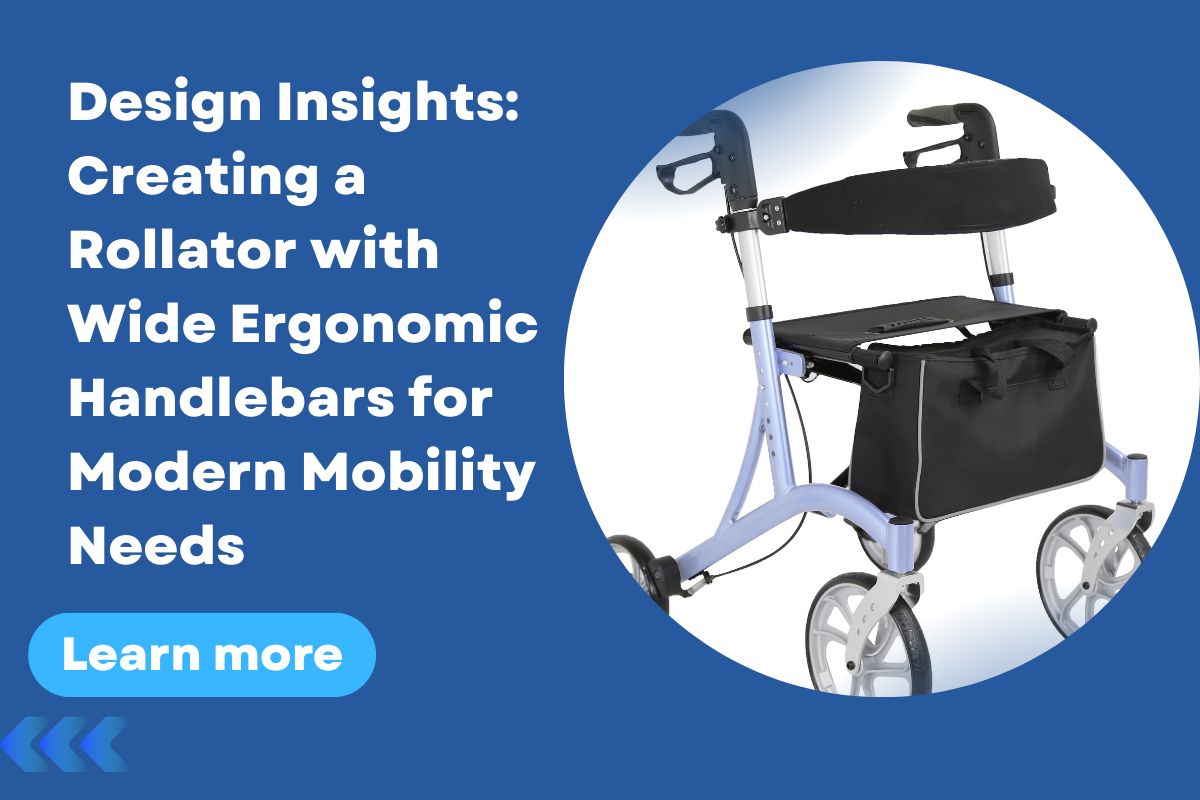
Travel Rollators in Rehabilitation Programs: Enhancing Patient Independence and Recovery
Rehabilitation programs form the backbone of healthcare services, bridging the gap between clinical treatment and long-term patient independence. Central to these programs are mobility aids, which empower patients to regain confidence, rebuild strength, and reintegrate into daily life. One device that has proven transformative in modern rehabilitation is the Travel Rollator: Portable with Quick-Fold Technology.
This article explores the role of travel rollators in rehabilitation settings, analyzing their clinical benefits, operational impact, procurement considerations, and long-term value for patients and healthcare providers.
1. The Role of Mobility Aids in Rehabilitation
Mobility aids are more than tools—they are enablers of recovery. In rehabilitation contexts, they:
Promote Independence: Patients take control of their recovery journeys.
Support Physical Therapy: Devices facilitate repetitive mobility exercises essential for neuromuscular training.
Reduce Caregiver Burden: Rollators lessen reliance on staff, allowing therapists to focus on specialized tasks.
Improve Outcomes: Regular mobility practice accelerates healing and reduces hospital readmissions.
The Travel Rollator: Portable with Quick-Fold Technology aligns with these goals by providing a safe, ergonomic, and versatile mobility solution.
2. Why Quick-Fold Rollators Are Ideal for Rehabilitation
Traditional rehabilitation equipment often faces limitations such as weight, bulkiness, or difficulty in transportation. Quick-fold rollators address these shortcomings:
Ease of Storage: Clinics can fold and store units between sessions, optimizing limited therapy space.
Transportability: Patients can carry their rollator between inpatient and outpatient sessions, maintaining continuity.
Consistency: The same device can be used in the hospital, at home, and during community activities.
This portability supports the rehabilitation principle of continuity of care, ensuring patients remain engaged in therapy wherever they are.
3. Clinical Benefits for Patients
Rehabilitation patients present diverse needs, from post-surgical recovery to long-term neurological rehabilitation. The Travel Rollator: Portable with Quick-Fold Technology delivers benefits across multiple dimensions:
Strength and Endurance Training: Walking with a rollator encourages gradual rebuilding of muscle strength.
Balance Support: Stable, shock-absorbing wheels and ergonomic grips reduce fall risk during early recovery.
Psychological Confidence: Patients regain autonomy, boosting motivation and adherence to therapy.
Seating for Rest: Integrated padded seats allow safe rest breaks during extended rehabilitation walks.
These features empower patients to extend their rehabilitation activities without compromising safety.
4. Case Study: Stroke Rehabilitation
Consider the case of stroke rehabilitation. Patients often face hemiparesis, balance deficits, and reduced endurance. Quick-fold rollators offer:
Assisted Ambulation: Lightweight design supports step retraining without excessive fatigue.
Adaptability: Adjustable handles accommodate patient progress over time.
Confidence Restoration: Portable design enables patients to practice walking in home environments, reinforcing clinical gains.
Therapists report that patients using Travel Rollator: Portable with Quick-Fold Technology demonstrate faster reintegration into independent living.
5. Operational Impact for Rehabilitation Centers
Rehabilitation facilities face increasing pressure to optimize resources while improving outcomes. Portable rollators contribute by:
Reducing Equipment Bottlenecks: Quick-fold designs allow multiple patients to share devices efficiently.
Minimizing Staff Workload: Independent mobility reduces staff assistance needs.
Supporting Discharge Planning: Patients discharged with portable rollators transition more smoothly to outpatient care.
By integrating travel rollators, rehabilitation centers improve throughput, reduce costs, and enhance patient satisfaction.
6. Procurement Considerations for Rehabilitation Programs
When sourcing rollators for rehabilitation use, procurement managers should prioritize:
Durability: Devices must withstand high-frequency use in clinical environments.
Safety Features: Non-slip grips, reliable brakes, and stable frames are critical for fall prevention.
Adaptability: Adjustable heights and ergonomic design accommodate diverse patient populations.
Lifecycle Cost: Long-lasting quick-fold mechanisms minimize replacements.
Vendor Support: Suppliers should offer training for therapists and ongoing maintenance services.
Bulk procurement of Travel Rollator: Portable with Quick-Fold Technology ensures cost efficiency while meeting patient demand.
7. Long-Term Value for Patients
The rehabilitation journey does not end when patients leave clinical care. Portable rollators extend benefits into daily life:
Community Reintegration: Patients use rollators for grocery shopping, commuting, and social activities.
Preventing Relapse: Continued mobility reduces risks of secondary health complications.
Supporting Aging in Place: Older adults maintain independence, reducing reliance on institutional care.
Thus, rollators provide enduring value beyond rehabilitation programs, improving long-term health outcomes.
8. Future Outlook: Smart Rehabilitation Rollators
Emerging technologies will expand rollator functionality in rehabilitation contexts:
Sensor Integration: Devices can track step counts, walking speed, and balance metrics.
Tele-rehabilitation Support: Data can be shared with therapists remotely, enabling personalized adjustments.
AI-Driven Alerts: Rollators may detect abnormal gait patterns and warn of fall risks.
The Travel Rollator: Portable with Quick-Fold Technology is a stepping stone toward this future, offering an adaptable platform for innovation.
Conclusion
Rehabilitation is about restoring independence, confidence, and quality of life. The Travel Rollator: Portable with Quick-Fold Technology plays a vital role in this journey, combining portability, safety, and patient-centered design. For rehabilitation programs, adopting this rollator enhances clinical outcomes, operational efficiency, and patient satisfaction.
For procurement and therapy leaders, investing in travel rollators is not simply about equipment—it is a strategic commitment to empowering recovery and long-term independence.
40 SEO Keywords: rehabilitation rollator, travel rollator for recovery programs, quick-fold rollator for therapy, portable rehabilitation walker, clinical mobility aid procurement, post-surgery rollator solution, lightweight rollator for patient rehab, quick-fold travel rollator for therapy, mobility devices in rehabilitation centers, stroke rehabilitation rollator support, portable rollator for hospital-to-home transition, ergonomic rehab mobility aid, rehabilitation mobility solution procurement, quick-fold walker for physical therapy, patient independence rollator, therapy-ready travel rollator, rehab-focused mobility innovation, rehabilitation center procurement guide, rollator for neurological recovery, portable walker with padded seat rehab use, rehabilitation outcome mobility aid, cost-effective rehab rollator procurement, rollator innovation in therapy programs, rehab-driven procurement for mobility devices, quick-fold rehab mobility walker, therapy compliance with travel rollator, outpatient rehabilitation mobility aid, rehab-focused quick-fold rollator sourcing, recovery acceleration with rollators, rehabilitation cost savings rollator procurement, rehab rollator lifecycle planning, institutional rehab mobility procurement, durable travel rollator for clinical settings, ergonomic rehab walker innovation, therapy-driven rollator adoption strategy, procurement savings in rehab programs, smart rehabilitation rollator outlook, mobility aid for long-term rehab success, rehabilitation discharge rollator solution, advanced therapy rollator procurement.
READ MORE:
- Optimizing Logistics: Why Medical-Grade Rollator: With Safety Lock and Reinforced Frame is Ideal for Bulk Supply Chain
- How Medical-Grade Rollator: With Safety Lock and Reinforced Frame Improves Patient Safety and Reduces Liability
- Choosing the Right Medical-Grade Rollator: With Safety Lock and Reinforced Frame for Hospital Procurement
- Maximizing Value with Rollator with Storage Pouch: Lightweight and Easy Storage — A Comprehensive Guide for Procurement Leaders
- The Strategic Value of Rollator with Storage Pouch: Lightweight and Easy Storage in Modern Healthcare Supply Chains
- Why Rollator with Storage Pouch: Lightweight and Easy Storage Sets the New Benchmark in Mobility Procurement
- Selecting the Best Rollator with Storage Pouch: Lightweight and Easy Storage for Supply Chain Optimization
- How “Rollator with Storage Pouch: Lightweight and Easy Storage” Is Transforming Mobility Product Procurement
- Global Market Insights: Travel Rollators and the Future of Mobility Solutions