
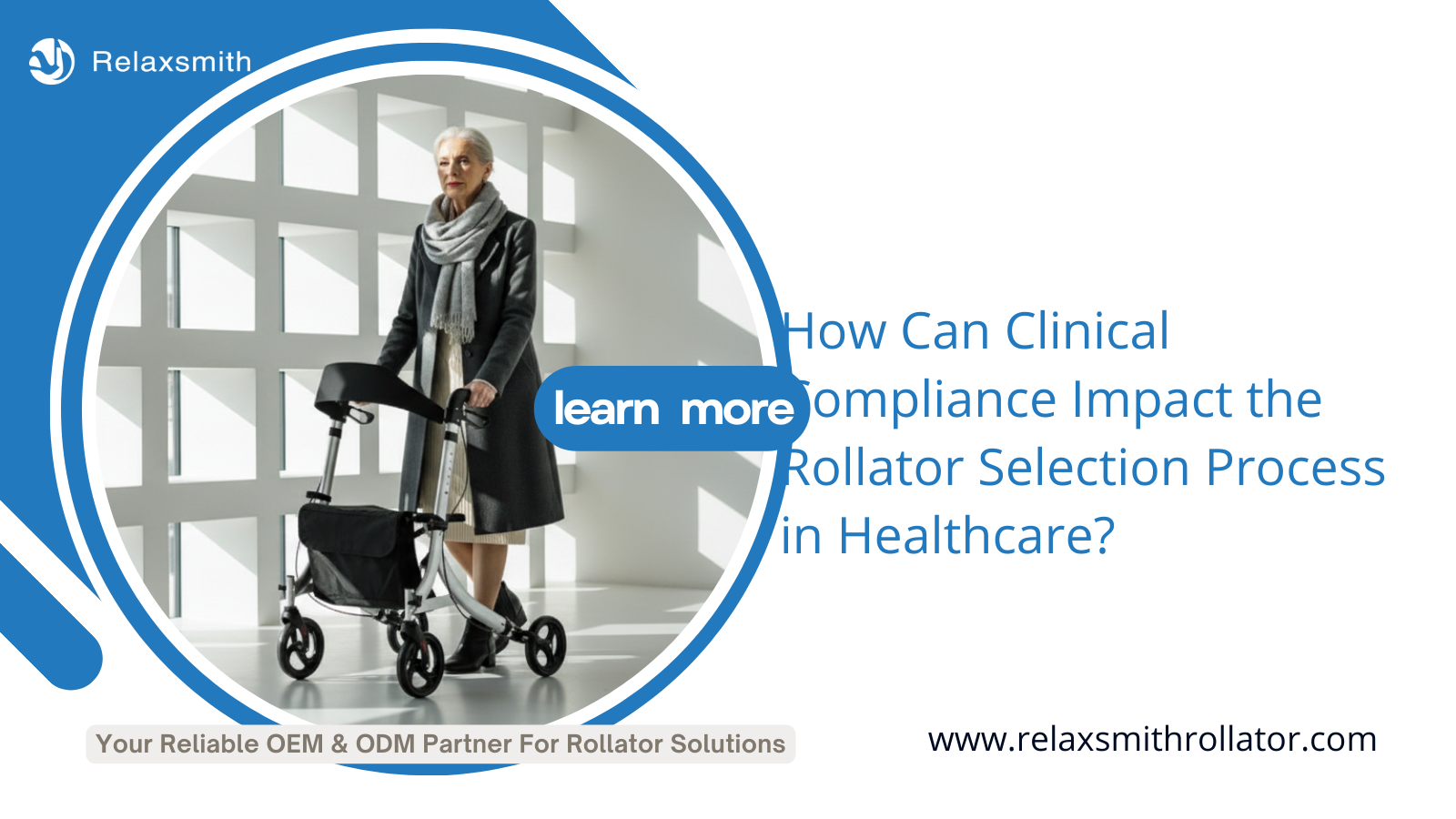
 How Can Clinical Compliance Impact the Rollator Selection Process in Healthcare?
Clinical compliance plays a critical role in the selection process of rollators used in healthcare environments. Product managers need to ensure that the rollators they select meet necessary medical standards, regulatory requirements, and healthcare facility specifications. This article explores how clinical compliance can influence rollator selection and the factors that must be considered for healthcare use.
1. Adherence to Medical Device Regulations
Rollators used in healthcare settings must adhere to strict medical device regulations, such as FDA approval in the United States and CE marking in Europe. These regulations ensure that the rollators meet safety and quality standards. Clinical compliance helps mitigate the risk of using substandard products, ensuring patients and healthcare professionals are confident in their functionality.
2. Importance of Safety Features in Clinical Environments
In clinical settings, rollators must prioritize safety. The stability of the frame, the effectiveness of the braking system, and the ease of maneuverability on various surfaces are all important factors in maintaining clinical compliance. Ensuring these features meet or exceed medical safety standards is essential for user safety.
3. Ensuring Durability and Longevity for Clinical Use
Since healthcare settings often require frequent and long-term use of rollators, clinical compliance also extends to the durability of the product. Rollators that are durable and capable of withstanding frequent use in hospital and rehabilitation settings are essential for maintaining patient mobility over time.
4. Adapting to Healthcare Regulations and Standards
Healthcare regulations, such as ISO 11199, specify the technical and performance requirements for rollators. Compliance with these standards ensures that the rollators meet the clinical needs of patients and caregivers while remaining in line with regulatory guidelines for medical equipment. Product managers must ensure that rollators comply with such standards before they are introduced into healthcare environments.
5. The Role of Certifications and Testing in Clinical Compliance
To achieve clinical compliance, rollators must undergo rigorous testing and certification processes. Testing for stability, functionality, and safety helps to ensure that the product will perform well under real-world clinical conditions. Certification by recognized authorities ensures that the rollator meets all necessary regulatory requirements.
Tags: Clinical compliance rollator, rollator selection, healthcare product manager, medical device regulations, rollator safety, healthcare mobility aids, clinical use rollators, medical equipment compliance, regulatory standards, rollator performance
SEO Keywords: clinical compliance rollator, rollator selection, clinical compliance rollator
For more details, please visit: www.relaxsmithrollator.com
READ MORE: