






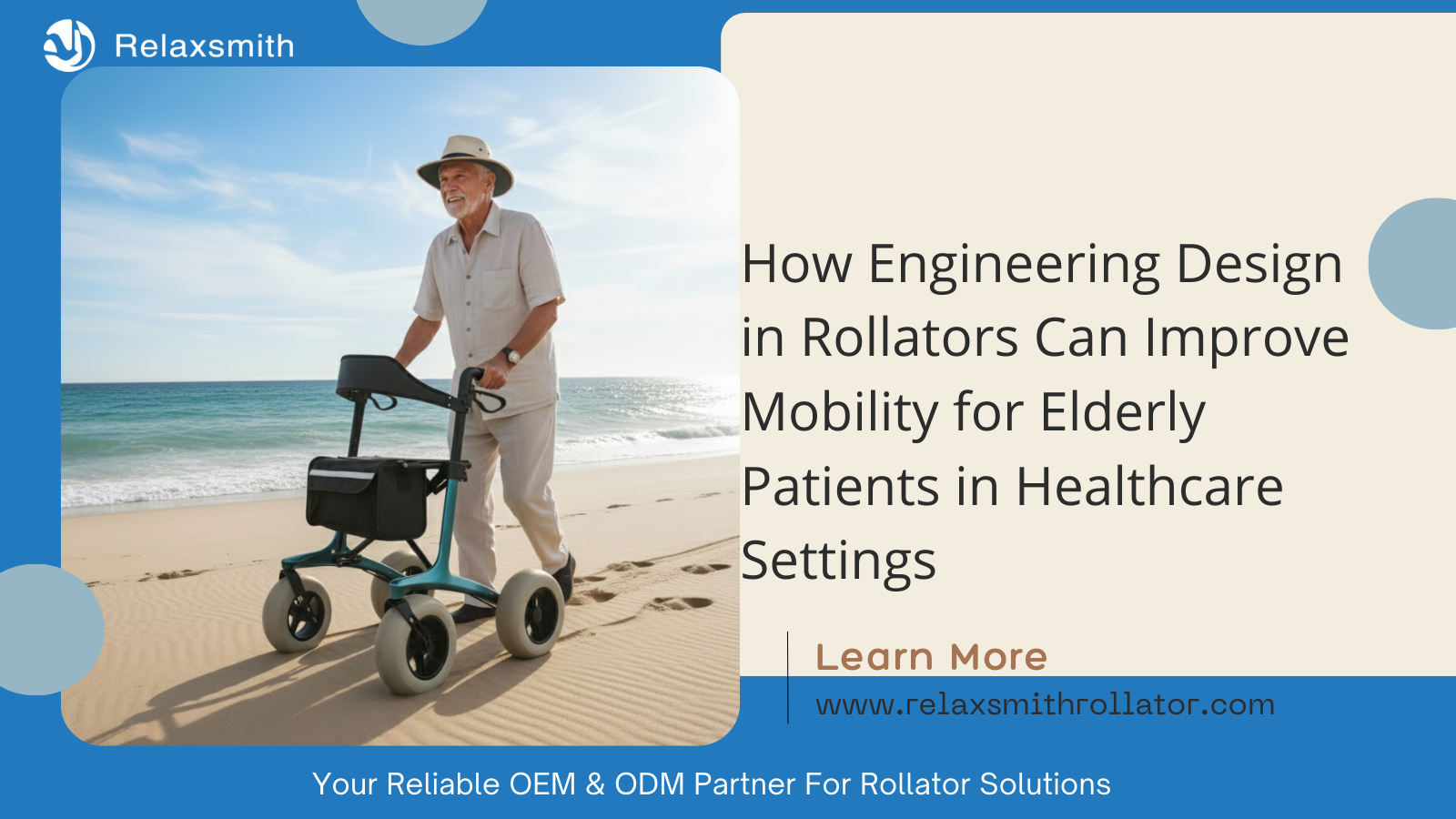
 How Engineering Innovations in Rollators Can Contribute to Elderly Care and Patient Safety
Rollators are essential mobility aids that help elderly individuals maintain independence and mobility. However, the engineering design of rollators is critical in enhancing their performance, safety, and comfort, especially in healthcare environments. Innovations in rollator design have paved the way for safer, more efficient mobility aids that support elderly care and improve patient safety in healthcare settings. This article explores how engineering innovations in rollators can contribute to elderly care and patient safety.
The Importance of Engineering Innovations in Elderly Care
Elderly individuals often face mobility challenges, which can impact their ability to perform daily activities and affect their overall health. In healthcare settings, rollators play a crucial role in supporting elderly patients by assisting with walking, providing stability, and enhancing mobility. As the aging population grows, the demand for advanced mobility aids has led to significant engineering innovations in rollator design, making them more effective in addressing the unique needs of elderly patients.
Key Engineering Innovations in Rollators
Engineering innovations in rollators have transformed them into more efficient, safer, and user-friendly mobility aids. Some key innovations that contribute to elderly care and patient safety include:
Anti-Slip Features: One of the most important safety features in modern rollators is the inclusion of anti-slip elements, such as textured handles, seats, and wheels. These innovations help reduce the risk of slips and falls, especially in wet or slippery environments. By providing secure contact points for patients, these features enhance stability and contribute to overall patient safety.
Ergonomic Design: Engineering design principles emphasize ergonomics to ensure that rollators are comfortable and easy to use for elderly patients. Ergonomically designed handles and adjustable components reduce strain on the user, allowing them to use the rollator with minimal effort. This improves patient comfort and encourages the regular use of mobility aids, which is essential for maintaining physical independence and mobility.
Lightweight Materials: Rollators made from lightweight materials such as aluminum or carbon fiber offer the dual benefit of being easier for elderly patients to maneuver while also reducing the physical strain on healthcare providers. These lightweight materials do not compromise the strength or durability of the rollator, making them an ideal choice for mobility aids in healthcare settings.
Adjustable Components: The ability to adjust the height of the handles, seat, and footrests ensures that rollators can be customized to fit the individual needs of each patient. This innovation enhances patient comfort and safety by allowing for a better fit, reducing the risk of injury and promoting proper posture during use.
Advanced Braking Systems: Rollators with advanced braking systems provide added control and safety for elderly patients. These systems allow patients to stop the rollator quickly and securely, which is particularly important when moving on uneven or sloped surfaces. Engineering innovations in braking systems improve patient safety by reducing the likelihood of the rollator rolling away or causing accidents.
Foldable and Compact Design: Rollators with foldable frames make it easier for healthcare facilities to store and transport mobility aids. These rollators can be easily folded and stowed away when not in use, optimizing space in crowded healthcare settings. The portability of foldable rollators also makes it easier to transfer patients between different areas of a facility or home care setting.
The Impact of Engineering Innovations on Patient Safety
Patient safety is a top priority in healthcare settings, and engineering innovations in rollator design directly contribute to reducing risks and improving safety outcomes. By incorporating features such as anti-slip seats, ergonomic handles, and advanced braking systems, engineers have enhanced the safety of rollators, allowing elderly patients to move more confidently and independently. These innovations help prevent falls, reduce the risk of injury, and give both patients and healthcare providers peace of mind.
Improving Independence and Quality of Life
Engineering innovations in rollators also have a significant impact on improving the independence and quality of life for elderly patients. By offering improved comfort, maneuverability, and safety, modern rollators encourage patients to use their mobility aids more regularly. This increased use promotes greater physical activity, which is essential for maintaining health, strength, and independence. Additionally, the ability to move freely and safely within healthcare settings allows elderly patients to engage in social activities and participate in daily routines, enhancing their overall quality of life.
Conclusion
Engineering innovations in rollators have revolutionized elderly care and patient safety in healthcare settings. By focusing on safety features, ergonomics, lightweight materials, and user-friendly designs, engineers have created rollators that provide enhanced mobility, comfort, and stability for elderly patients. These innovations not only improve patient outcomes by promoting independence and reducing the risk of falls but also make healthcare facilities more efficient by reducing the burden on staff. As the demand for better elderly care solutions grows, engineering design will continue to play a key role in shaping the future of rollator technology and patient safety.
Tags
Engineering design rollator
mobility aids
elderly care
patient safety
rollator design
fall prevention
rehabilitation mobility
adjustable rollators
ergonomic rollators
comfortable mobility aids
patient independence
advanced mobility aids
SEO Keywords
Engineering design rollator
mobility aids
elderly care
patient safety
rollator design
fall prevention
rehabilitation mobility
adjustable rollators
ergonomic rollators
comfortable mobility aids
patient independence
advanced mobility aids



