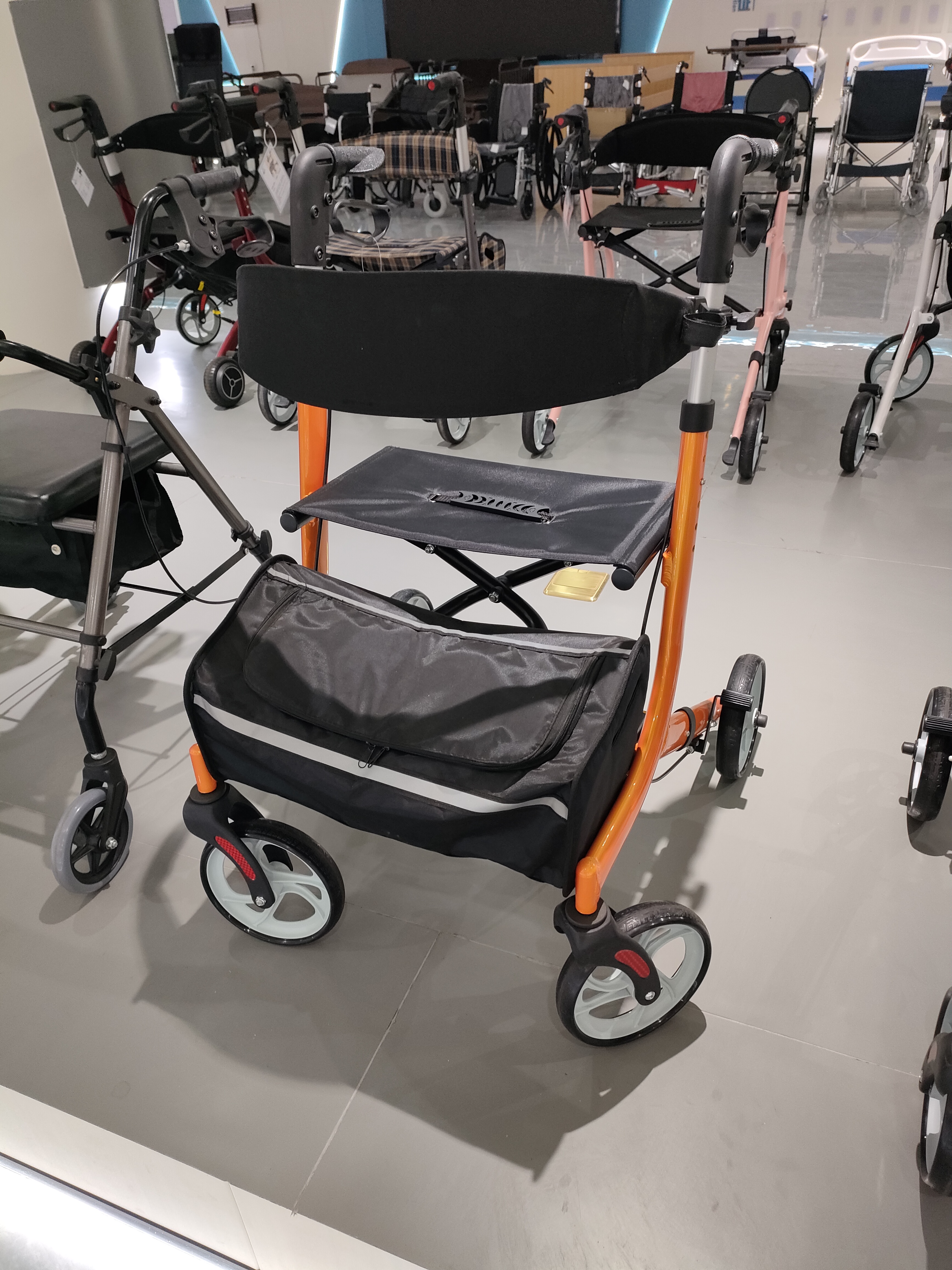
Best Practices for Third-Party Quality Inspections in Pre-Shipment Processes
Global supply chains depend on trust, transparency, and accountability. For product managers, procurement professionals, and supply chain leaders, third-party quality inspections are a proven method to safeguard standards and create a strong rollator order trust guarantee. This article explores best practices for selecting, managing, and leveraging third-party inspection services to maximize both compliance and confidence in the pre-shipment process.
Why Use Third-Party Inspections?
Independent inspections reduce bias, increase objectivity, and help ensure that every shipment meets agreed-upon criteria. Benefits include:
Unbiased quality verification before goods leave the factory
Protection against supplier-side data manipulation
Documentation to resolve post-delivery disputes
Greater transparency, supporting the rollator order trust guarantee throughout the supply chain
Choosing the Right Inspection Partner
Accreditation and Experience: Select agencies with industry-specific accreditation, a strong reputation, and a track record in your product category.
Local Presence and Responsiveness: Prioritize firms with offices near your suppliers and proven ability to respond quickly.
Technical Expertise: Ensure the inspection team is familiar with relevant standards, testing equipment, and reporting protocols.
Transparent Pricing: Agree on clear, itemized fee structures—avoid hidden charges that can erode trust.
Structuring Inspection Protocols for Success
Collaborate to define inspection checklists, sampling methods, and acceptance criteria before production starts.
Share visual guides and digital templates to minimize interpretation errors.
Set up real-time communication channels for on-the-spot clarifications or escalations.
Best Practices for Managing the Inspection Process
Schedule Inspections Early: Book inspection windows well in advance to avoid last-minute capacity constraints.
Randomize Lot Selection: Prevent cherry-picking by requiring random or blind selection of products to be inspected.
Require Digital, Photo-Rich Reports: Insist on digital inspection reports with timestamped images for every finding.
Audit the Auditors: Periodically review inspection consistency and challenge any anomalies or patterns of error.
Integrating Third-Party Data with Internal QA
Maximize value by merging third-party inspection results with your internal quality analytics. Use this data to:
Refine supplier scorecards
Pinpoint recurring defects or root causes
Set more targeted improvement goals and incentives
By closing the loop, the rollator order trust guarantee is not just a slogan—it becomes a measurable reality embedded in daily operations.
Case Example: Consumer Goods Supply Chain
A global consumer goods brand implemented third-party inspections for all shipments from new suppliers. Over 18 months, they reduced customer complaints by 42% and accelerated their rollator order trust guarantee, winning new contracts and improving existing supplier relationships. The key was standardizing protocols, maintaining digital transparency, and continuously auditing inspector performance.
Conclusion: Raising the Bar on Quality and Trust
Third-party inspections in pre-shipment processes have evolved from a reactive safeguard to a proactive lever for supply chain trust. By applying the best practices outlined here, organizations can build a culture of accountability, protect their brand, and establish a lasting rollator order trust guarantee—even as products and partners grow more complex.
Tags: Third-party inspection, Pre-shipment quality, Supplier scorecard, Inspection protocol, Digital report, Supply chain transparency
SEO Keywords: third-party inspection, pre-shipment audit, inspection checklist, unbiased quality, digital inspection, photo report, random lot selection, supplier audit, quality verification, supply chain trust, inspector accreditation, audit consistency, report standardization, sampling plan, root cause data, performance incentive, inspection scheduling, consumer goods, defect reduction, transparency data, reporting protocol, visual guide, escalation process, auditor review, anomaly investigation, inspection template, new supplier vetting, digital transparency, product compliance, documentation evidence, process integration, supply chain confidence, quality analytics, scorecard refinement, audit performance, inspection timeline, complaint reduction, best practice audit, internal QA merge, supplier improvement, inspector training, contract trust, brand protection
For more details, please visit: https://smartelderlycare.com/