Case Study: Achieving Trust and Assurance through Contractual QA & Pre-Shipment Controls
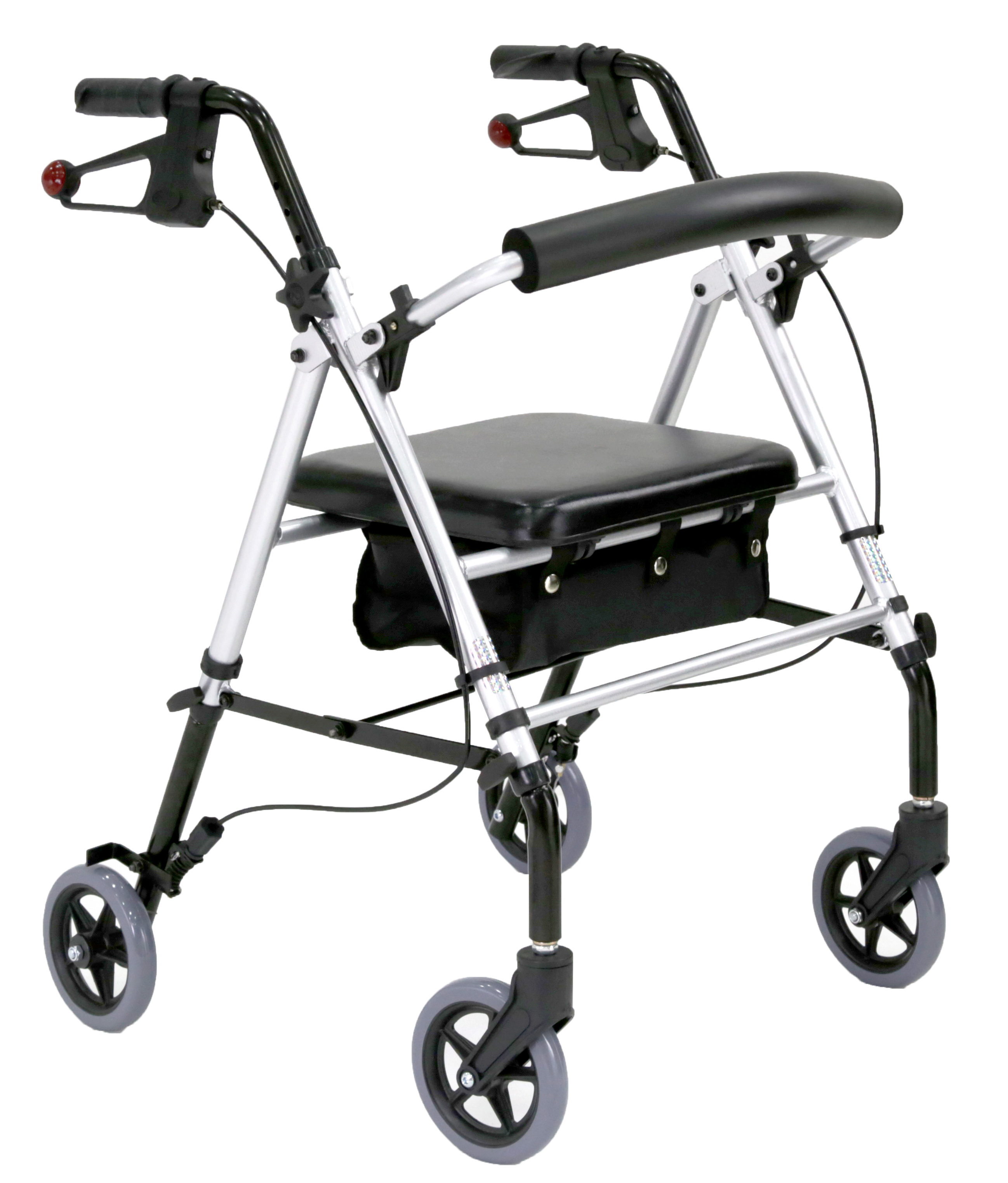
Real-world examples illustrate how best practices in contractual quality assurance (QA) and pre-shipment controls can deliver meaningful results for product managers, procurement leaders, and supply chain professionals. In this case study, we follow a leading mobility device supplier as they implemented these strategies to secure a robust rollator order trust guarantee, resulting in tangible improvements in quality, trust, and customer satisfaction.
Background: Facing Fragmented Quality and Shipping Risks
The company had grown rapidly, expanding sourcing across multiple countries. However, it struggled with inconsistent QA processes, unpredictable pre-shipment inspections, and disputes that put their rollator order trust guarantee at risk. Customers complained of occasional non-conforming shipments, delivery delays, and unclear lines of accountability.
Step 1: Contractualizing Quality Requirements
Procurement, legal, and QA teams worked together to overhaul all supplier agreements, embedding specific, measurable quality terms. These included:
Detailed inspection protocols and acceptance criteria
Mandatory pre-shipment checks, signed off by both parties
Corrective action and compensation terms for failed shipments
Digital documentation and audit trails, accessible to both sides
Step 2: Implementing Pre-Shipment Controls
The company introduced standardized checklists, third-party inspection partners, and digital tracking dashboards. Every order was subject to documented inspections, and exception handling procedures were automated for real-time escalation and resolution.
Step 3: Training and Communication
Suppliers and in-house teams received hands-on training in new QA protocols and digital tools. Regular webinars, shared feedback sessions, and cross-functional review meetings fostered a culture of shared responsibility for the rollator order trust guarantee.
Step 4: Results and Lessons Learned
Defect rates dropped by 60% in the first year after implementation
On-time delivery rates improved from 83% to 97%
Customer complaints and returns fell by more than half
Supplier satisfaction scores improved as dispute rates fell
The rollator order trust guarantee became a selling point in new contracts and marketing
Key Takeaways for Supply Chain Leaders
Clarity in contracts is the foundation for trust and accountability
Standardized, digital inspection processes reduce errors and speed up dispute resolution
Joint training and open communication keep all parties engaged and aligned
Continuous feedback ensures controls evolve with business needs
Conclusion: Building Enduring Confidence
This case demonstrates that integrating contractual QA and pre-shipment controls delivers more than risk reduction—it builds enduring trust among buyers, suppliers, and end-users. By treating the rollator order trust guarantee as a practical system, not just a promise, organizations can consistently deliver quality, reliability, and peace of mind across complex global supply chains.
Tags: Contractual QA, Pre-shipment control, Mobility device case, Supplier agreement, Risk reduction, Supply chain trust
SEO Keywords: contract QA, pre-shipment control, quality case study, defect reduction, digital inspection, agreement clarity, corrective action, audit trail, supplier satisfaction, customer complaint, on-time delivery, inspection dashboard, training protocol, dispute handling, risk mitigation, mobility product, supplier engagement, standard checklist, escalation procedure, contract renewal, process automation, best practice case, marketing trust, procurement feedback, continuous improvement, cross-border sourcing, QA documentation, dispute reduction, shipment verification, digital record, corrective clause, product return, contract review, stakeholder training, audit access, process evolution, buyer trust, global delivery, contract selling, quality improvement, supply chain case, joint communication, market advantage
For more details, please visit: https://smartelderlycare.com/