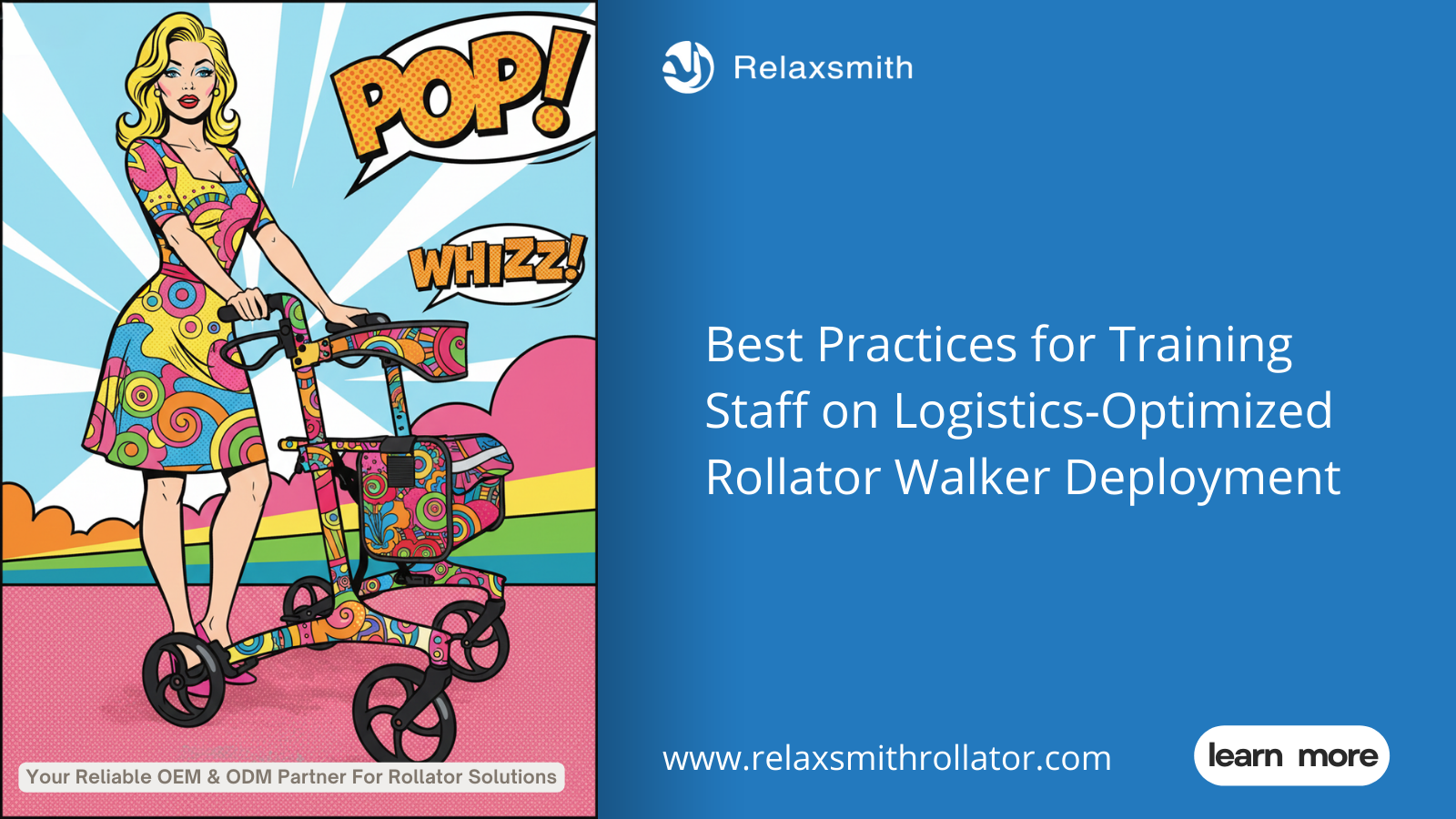
Best Practices for Training Staff on Logistics-Optimized Rollator Walker Deployment
Successful institutional adoption of logistics-optimized rollator walkers hinges on comprehensive staff training. Proper deployment ensures patient safety, efficient logistics, and minimal device downtime. This article outlines best practices for training healthcare and logistics personnel on all aspects of rollator walker deployment, from assembly and maintenance to patient education.
Developing a Structured Training Program
Design training modules tailored to different staff roles—clinical users, logistics teams, and maintenance personnel. Logistics-optimized rollator walkers require familiarity with modular assembly, packaging, and key functional components. Blend theoretical instruction with hands-on demonstrations for maximum knowledge retention.
Hands-On Assembly and Maintenance Practice
Simulate real-world scenarios in the training environment: unpacking flat-pack shipments, assembling frames, attaching accessories, and performing routine checks. Logistics-optimized rollator walker training should also cover safe disassembly for cleaning or repairs and identifying signs of wear or malfunction.
Patient Interaction and Safety Protocols
Teach clinical staff how to adjust walker settings for individual users, emphasizing ergonomic fit and safety checks before use. Demonstrate proper patient transfer techniques, fall prevention strategies, and the importance of regular device inspections. Staff should also be able to provide user training for patients and caregivers.
Digital Resources and Refresher Training
Supplement in-person sessions with digital manuals, video tutorials, and online quizzes. Logistics-optimized rollator walker suppliers often provide e-learning platforms and remote support. Regular refresher training ensures staff stay up to date with product updates and institutional best practices.
Performance Evaluation and Feedback Loops
Implement post-training assessments and solicit feedback from staff to identify areas for improvement. Monitor deployment KPIs, such as assembly errors, downtime, and user satisfaction. Use feedback to refine training content and address common challenges proactively.
Summary
Robust training programs are essential for the safe and effective deployment of logistics-optimized rollator walkers in institutional settings. With structured instruction, hands-on practice, and ongoing support, organizations can maximize the benefits of these innovative mobility solutions.
SEO Keywords
| logistics-optimized rollator walker | staff training deployment |
| assembly practice walker | hands-on maintenance training |
| modular assembly mobility aid | refresher training rollator |
| digital training resource walker | patient interaction protocol |
| safety training rollator | clinical staff education |
| user training program walker | performance evaluation mobility |
| feedback loop rollator | device inspection protocol |
| e-learning platform walker | maintenance checklist rollator |
| deployment KPI mobility aid | assembly error tracking walker |
| user satisfaction assessment | logistics personnel training |
| remote support rollator | institutional deployment training |
| caregiver education walker | product update training |
| fall prevention protocol | ergonomic fit training |
| device downtime reduction | routine maintenance training |
| hands-on demonstration walker | structured training module |
Tags
| staff training | deployment |
| assembly | hands-on practice |
| maintenance | patient safety |
| digital resource | refresher |
| feedback | assessment |
| protocol | logistics |
| user education | device inspection |
| caregiver | e-learning |
| KPI | institutional training |
| best practice | logistics-optimized |
For more details, please visit: www.relaxsmithrollator.com