





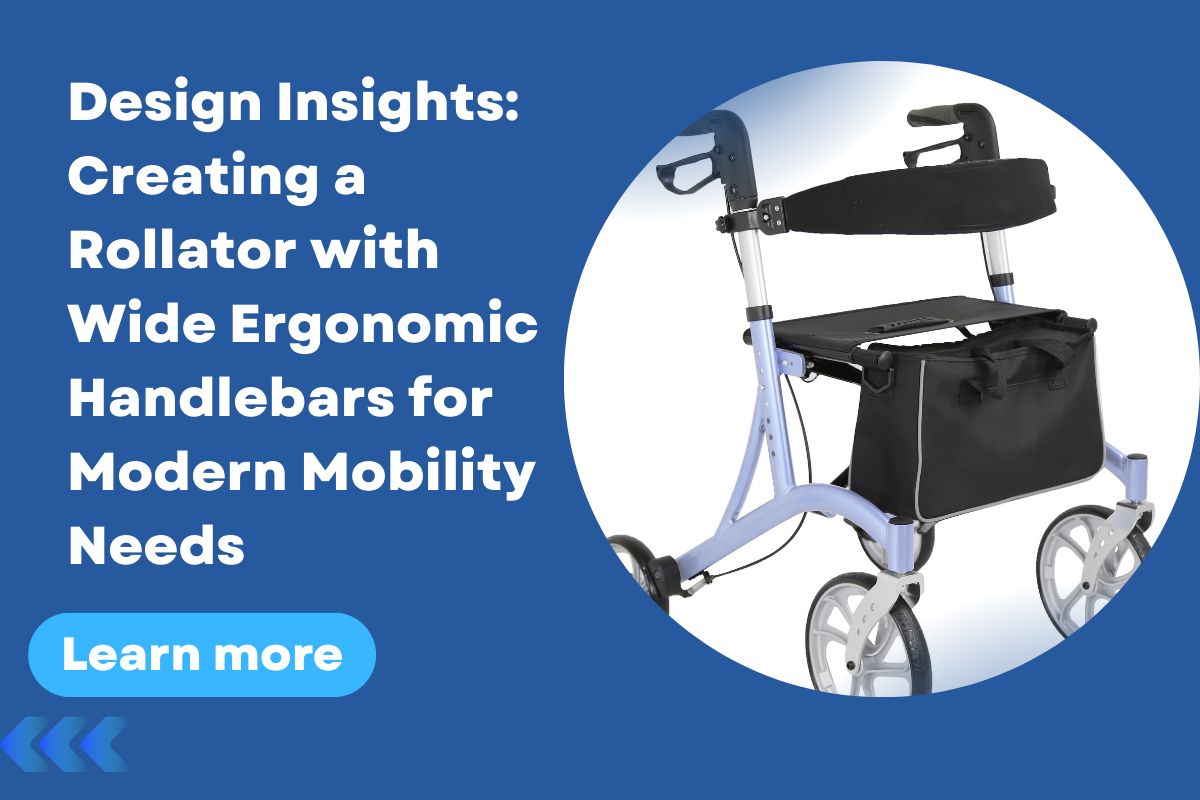
Building a Sustainable Supply Chain for Foldable Aluminum Rollators
Author: Selina | Category: NEWS | Date: 2025-10-25
Introduction

As global industries move toward environmental accountability, the healthcare mobility sector faces growing pressure to integrate sustainability into every phase of production and distribution. For manufacturers of mobility aids, understanding How to Maintain and Care for Your Foldable 4-Wheeled Aluminum Rollator for Longevity extends beyond product upkeep — it encompasses the full lifecycle of materials, logistics, and post-consumer reuse. Building a sustainable supply chain is not just a corporate initiative but a long-term responsibility that benefits patients, healthcare institutions, and the planet.
1. The Role of Sustainability in Medical Equipment Manufacturing
Sustainability is now a key metric in product performance. For rollator manufacturers, this means designing with recyclability, energy efficiency, and durability in mind. Every design decision — from aluminum alloy selection to packaging materials — contributes to environmental impact. Establishing environmental key performance indicators (eKPIs) within the supply chain ensures that sustainability is measured, managed, and continuously improved.
2. Eco-Friendly Material Sourcing
The foundation of a sustainable rollator supply chain lies in material choice. Aluminum remains one of the most sustainable metals due to its recyclability and lightweight nature. By sourcing aluminum from certified suppliers that use renewable energy in smelting processes, manufacturers can drastically reduce carbon emissions. Additionally, coatings and paints should comply with RoHS and REACH standards, avoiding heavy metals and toxic solvents.
Collaborating with suppliers that provide full material traceability enhances transparency and strengthens environmental reporting for global compliance frameworks.
3. Supply Chain Transparency and Traceability
Traceability is essential to a sustainable healthcare supply chain. Modern rollator manufacturers are implementing blockchain-based traceability systems that track each component from extraction to assembly. This allows real-time verification of sustainability claims and compliance with ISO 14001 environmental management standards.
Through digital traceability, companies can ensure that all suppliers maintain ethical labor practices, minimize waste, and meet environmental obligations. These efforts support responsible sourcing and reinforce consumer trust.
4. Green Logistics and Carbon Reduction
Transportation contributes significantly to the carbon footprint of medical devices. Companies must adopt green logistics solutions such as optimized routing, electric delivery fleets, and lightweight packaging to reduce emissions. Consolidated shipments and reusable crates further enhance efficiency.
For international distribution, aligning logistics partners with carbon-neutral certification programs allows continuous tracking of emissions and offsets. Integrating these practices within logistics systems strengthens the overall sustainability of How to Maintain and Care for Your Foldable 4-Wheeled Aluminum Rollator for Longevity at every stage of its lifecycle.
5. Circular Economy and Product Lifecycle Management
Incorporating circular economy principles enables products to stay in use longer while minimizing waste. Refurbishment and remanufacturing programs allow rollators to re-enter the market after controlled reconditioning. Using modular designs with replaceable parts extends usability and facilitates end-of-life disassembly.
Lifecycle assessment (LCA) tools can measure environmental impact across production, distribution, use, and disposal phases, helping managers identify improvement areas and set carbon reduction targets. This also aligns with global SDGs (Sustainable Development Goals) for responsible consumption and production.
6. Collaboration Between Stakeholders
A sustainable supply chain requires collaboration among suppliers, distributors, healthcare providers, and regulators. Regular sustainability audits and shared environmental databases ensure alignment of goals and performance transparency. Co-innovation with material suppliers can lead to new eco-friendly components and improved recyclability.
Educating supply chain staff and partners on sustainability practices fosters a culture of accountability and innovation that benefits both the environment and the business.
7. Integrating Maintenance into Sustainability
Maintenance is a critical element of sustainability. Ensuring proper upkeep of rollators prevents premature disposal and reduces the need for replacements. Predictive maintenance tools, combined with digital tracking systems, allow early detection of wear and extend lifespan. This approach directly supports environmental efficiency by minimizing material waste and energy consumption in production.
By integrating How to Maintain and Care for Your Foldable 4-Wheeled Aluminum Rollator for Longevity with sustainability frameworks, companies align product performance with environmental responsibility.
Conclusion
Building a sustainable supply chain for foldable aluminum rollators demands a holistic commitment to environmental, ethical, and operational excellence. Through responsible material sourcing, green logistics, lifecycle management, and predictive maintenance integration, manufacturers can create products that not only meet healthcare needs but also safeguard the planet. As sustainability evolves from a trend to an expectation, companies embracing these principles will lead the future of mobility innovation and healthcare responsibility.
🔧 40 SEO Keywords
sustainable supply chain, foldable aluminum rollator, green logistics, lifecycle management, eco-friendly manufacturing, circular economy, aluminum recyclability, sustainable healthcare equipment, carbon reduction strategy, RoHS compliance, REACH standards, ethical sourcing, blockchain traceability, ISO 14001 certification, mobility aid sustainability, energy-efficient production, eco-packaging, supply chain transparency, material innovation, recyclable components, healthcare equipment lifecycle, environmental responsibility, sustainable logistics, carbon neutral shipping, maintenance sustainability, predictive maintenance, supplier collaboration, renewable materials, healthcare supply optimization, waste reduction, modular design rollator, sustainability strategy, lifecycle analysis, responsible manufacturing, sustainable procurement, long-term durability, corporate sustainability reporting, rollator maintenance guide, green supply chain transformation, healthcare innovation sustainability.
🏷️ 20 Tags
#sustainableSupplyChain #foldableRollator #mobilityAid #greenLogistics #circularEconomy #sustainability #productManagement #supplyChain #ecoDesign #healthcareInnovation #carbonReduction #renewableMaterials #traceability #ISO14001 #responsibleManufacturing #maintenanceIntegration #recyclableComponents #ethicalSourcing #environmentalImpact #longevity



